Why Your Business Needs a Multi Function Business Space to Grow
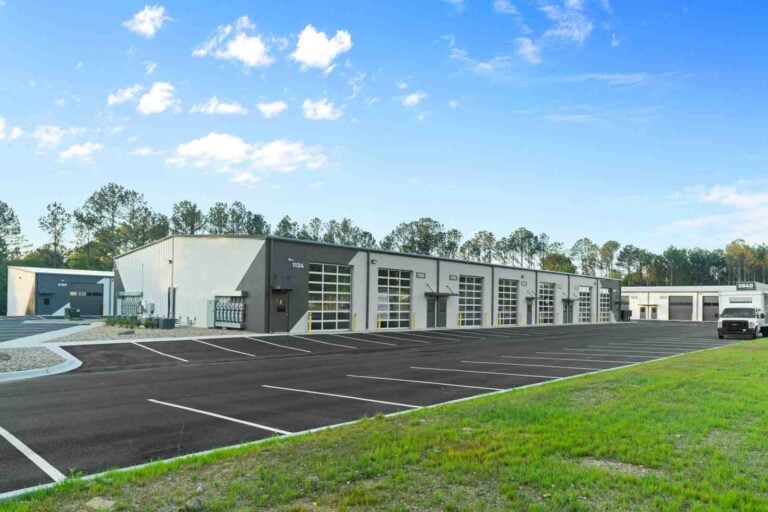
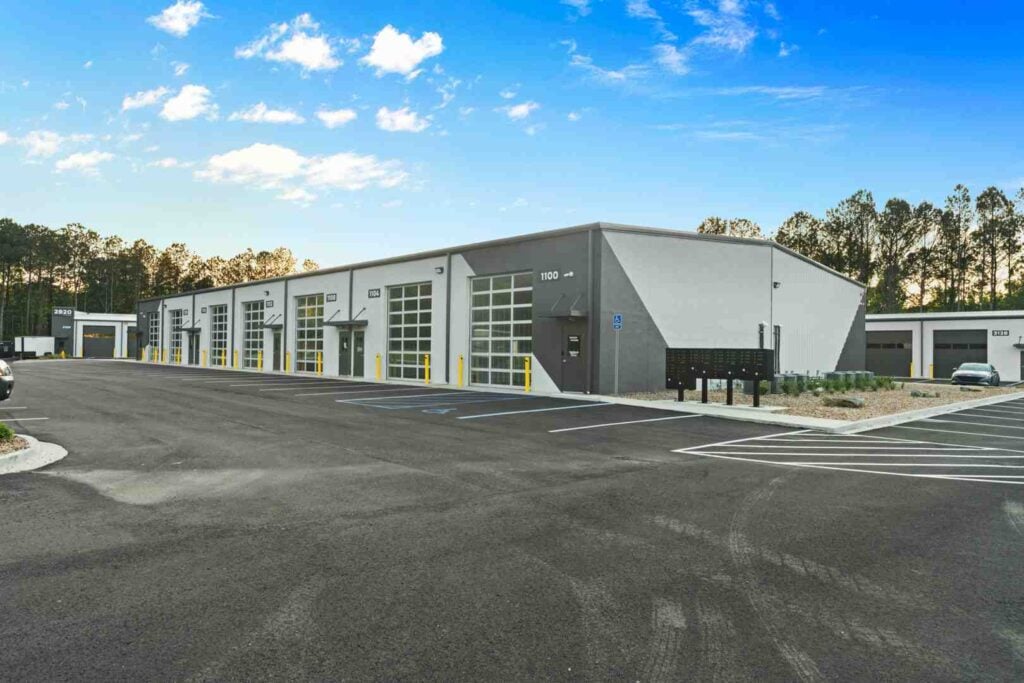
A multi function business space is one of the smartest moves a growing small business can make — combining office, warehouse, showroom, and storage into a single unit under one lease.
Quick answer: What is a multi function business space?
- Office + warehouse in one unit — work, store, and ship from the same address
- Flexible lease terms — short-term and month-to-month options instead of rigid 3–5 year commitments
- Multiple work zones — private office, storage, client-facing area, and light production under one roof
- Scalable footprint — expand or reconfigure as your business grows
- Lower overhead — businesses using multi-use spaces can reduce operational costs by up to 30% compared to traditional single-use leases
The way small businesses operate has changed fast. Teams need space to meet clients and store inventory. E-commerce brands need a packing station and an admin desk. Contractors need room for tools and a place to manage books. But most commercial leases still force you to choose just one function — locking you into a layout that doesn’t match how you actually work.
That mismatch is why the flexible workspace market is growing at 14.2% annually and is projected to reach $65.5 billion by 2030. Over 40% of small-to-medium businesses now prefer units that combine office, warehouse, and showroom capabilities. The demand is real — and it’s only accelerating.
I’m Chase Carroll, a real estate developer and small business advisor with 12+ years of experience building and investing in adaptable commercial properties, including MicroFlex developments across Alabama — purpose-built multi function business spaces designed for exactly this kind of hybrid operation. Below, I’ll walk you through everything you need to know to design, find, and use one effectively.
What a Multi Function Business Space Really Is
At its core, a multi function business space is a flexible commercial unit designed to support more than one business activity at the same address. Instead of splitting your operation across a small office, an off-site storage unit, and a separate warehouse, you bring those functions together under one roof.
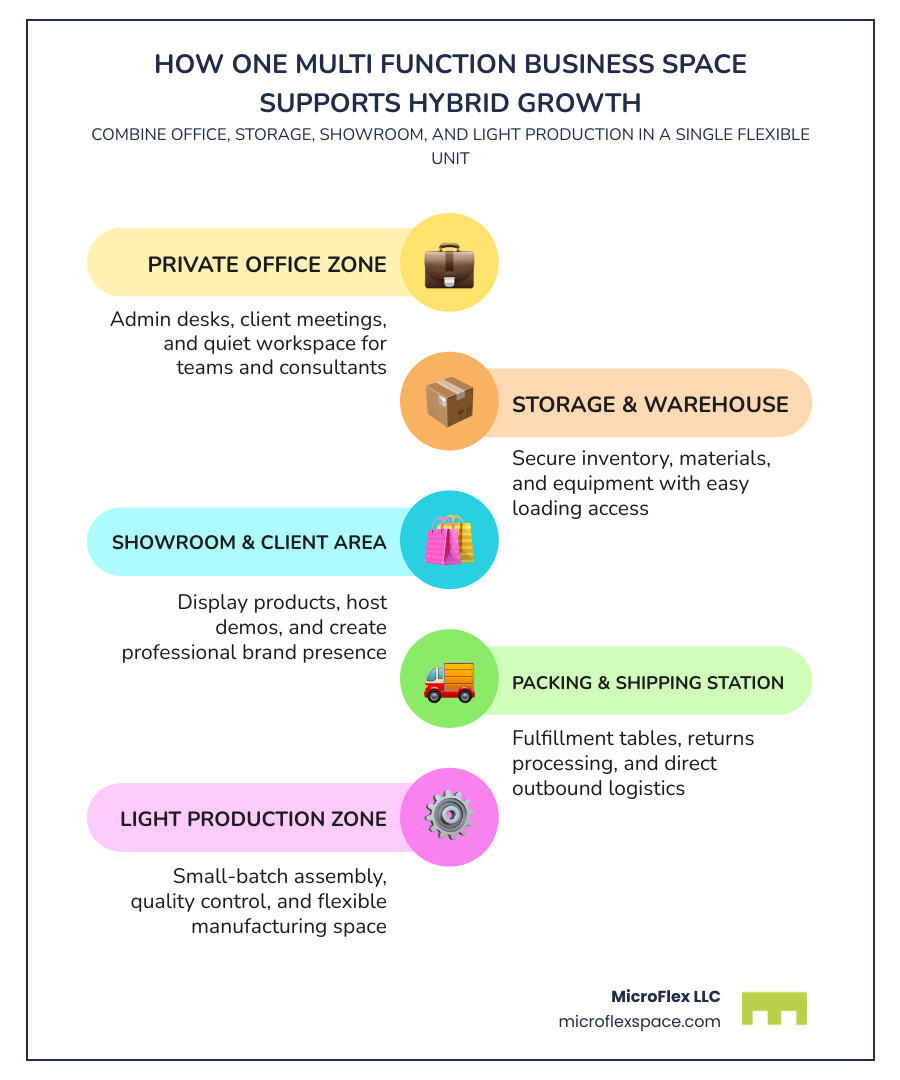
That can include:
- Private office space
- Warehouse or inventory storage
- Receiving and shipping area
- Showroom or customer-facing zone
- Packing station
- Light assembly or light manufacturing area
- Secure back-of-house storage
In commercial real estate, this is often called flex space or an office-warehouse hybrid. Whatever name you use, the point is the same: your space should fit your workflow, not force your workflow into a bad floor plan.

How a multi function business space differs from a traditional commercial lease
Traditional leases are usually built around one main use:
- Office only
- Retail only
- Warehouse only
- Industrial only
That sounds neat on paper, but in real life it creates silos. Your team might meet clients in one place, store products in another, and fulfill orders somewhere else entirely. That means extra rent, extra driving, extra coordination, and extra headaches.
Standard commercial leases also often come with longer 3-5 year terms, more rigid layouts, and fewer options to expand or reconfigure. If your business changes direction halfway through the lease, the space may stop working long before the contract ends.
A multi function business space is different because it is built for mixed use from day one. It gives small businesses room to operate, pivot, and grow without playing musical chairs with their square footage.
Why a multi function business space fits modern small business growth
Modern businesses are less linear than they used to be. A company may sell online, meet clients in person, keep on-site inventory, and do light assembly all in the same week. Sometimes all before lunch.
That is one reason 67% of companies now use flexible or hybrid workspace solutions. It is also why the flexible workspace market keeps expanding so quickly. Businesses want agility, not a lease that feels like a concrete boot.
This model works especially well for:
- Startups that need room to test and grow
- Hybrid teams that need occasional office time plus operational space
- E-commerce businesses managing fulfillment and admin together
- Service providers that need storage, dispatch, and client space
- Small manufacturers that need light production plus office support
The core functions businesses combine in one unit
A well-designed unit can support several zones without feeling chaotic. Common combinations include:
- Office for admin, payroll, sales, and focused work
- Warehouse area for inventory, shelving, and bulk materials
- Storage room for tools, records, or supplies
- Showroom for product display or client walkthroughs
- Receiving zone for deliveries
- Shipping area for outbound orders
- Light production area for assembly, prep, packaging, or finishing
If you want a deeper look at how this format works, see our guides on Multi-Use Commercial Property and Flexible Commercial Space Ultimate Guide.
7 Businesses That Benefit Most From Adaptable Space
Not every business needs the same footprint, but many need more than a plain office. The sweet spot for a multi function business space is a business that blends admin work with physical operations.
Here are seven types that tend to thrive:
- E-commerce brands
- Contractors
- Janitorial and field service companies
- Light manufacturing businesses
- Wholesalers and distributors
- Creative makers and product-based businesses
- Consultants and small professional teams with equipment or storage needs
For a broader look at space planning by business type, explore Adaptable Business Solutions.
E-commerce and product-based brands using a multi function business space
E-commerce businesses are a natural fit because they often need four things at once:
- Inventory storage
- Packing and shipping space
- Admin workspace
- A small display or sample area
Instead of running your online store from a laptop at home while inventory creeps into every spare corner like a determined vine, you can centralize everything. Your team can process returns, pack orders, store product, and handle customer service from one location.
This setup also reduces friction. Fewer handoffs usually means faster fulfillment and fewer mistakes.
Contractors and field service companies that need office plus storage
Contractors often outgrow traditional office space quickly because their real operation includes:
- Tools
- Materials
- Equipment
- Dispatch coordination
- Estimating and billing
- Team meetings
That makes a multi function business space a strong match for HVAC, plumbing, electrical, flooring, building maintenance, janitorial, and similar service businesses. The office supports admin and scheduling, while the storage and warehouse portions support the real-world work that keeps revenue moving.
Light manufacturing, assembly, and showroom users
Small-batch manufacturers and assembly-based businesses need room to make, inspect, store, and present products. A flexible unit can support:
- Light production
- Quality control
- Product storage
- Order staging
- Demo or display area
- Front office operations
This works well for printing services, certain supplement manufacturers, furniture-related businesses, and other light industrial users that do not need a full heavy-manufacturing facility.
Consultants, designers, and small teams that need more than an office
Some businesses do not need a warehouse-sized operation but still need more than desks and a coffee maker. Management consultants, graphic designers, and similar teams may need:
- Quiet offices for focused work
- Meeting space for clients
- Secure storage for files, samples, or equipment
- Space for presentations or mockups
That extra flexibility matters because business needs change. A team of two can become a team of six surprisingly fast, usually right after someone says, “We can totally make this tiny office work.”
How to Design a Multi Function Business Space for Productivity and Brand Presence
The best spaces are not just flexible. They are intentional. Good design makes the unit easier to work in, easier to scale, and easier to present to customers.

A good rule is simple: design around workflow first, then layer in branding and comfort. If your receiving area blocks your client entrance or your shipping table sits next to your meeting area, the space will fight you every day.
For more ideas, visit Dynamic Workplace Solutions.
Layout strategies that separate noisy, clean, private, and public zones
Most businesses benefit from four clear zones:
- Front-of-house for clients, meetings, and display
- Private office zone for admin and focused work
- Operations zone for storage, packing, or assembly
- Utility zone for receiving, break area, and supplies
When planning the layout, think about:
- Noise control between office and warehouse areas
- Clean sightlines from entrance to customer-facing areas
- Easy movement between receiving, storage, and shipping
- Separation between public and staff-only spaces
- Organized back-of-house storage to reduce visual clutter
This does not require a giant footprint. It requires smart zoning.
Ways to hide, reveal, or reconfigure work areas in shared-use environments
Some businesses need one area to do double duty. Maybe a conference area also works as a training room. Maybe a showroom converts into an event space. Maybe a small office needs to disappear visually when clients visit.
Useful strategies include:
- Sliding partitions
- Folding doors
- Curtains in non-public back-of-house areas
- Mobile worktables on casters
- Modular shelving
- Concealed desks or built-in cabinetry
- Rolling display fixtures
These ideas are often discussed in residential design, but the logic works in commercial space too: if one room needs to do two jobs, make transitions quick and tidy.
Balancing professionalism, efficiency, and visual identity
A high-performing unit should also look like your brand. That does not mean spending a fortune on dramatic design. It means making the space feel intentional.
Focus on:
- Consistent signage
- Coordinated finishes and colors
- Clean storage systems
- Natural light where possible
- A polished client meeting area
- Merchandising or product display that supports your brand story
The right space can genuinely change how a team works. Office parks can feel generic, while open coworking can feel too public. A flexible unit gives you more control over both function and personality.
Choosing the Right Location and Lease Structure
A great layout in the wrong location can still be a bad fit. Your space has to work geographically and legally, not just aesthetically.
If you are comparing lease options, our Flexible Leasing Spaces resource is a useful next step.
Why location can make or break operations
Location affects almost everything:
- Customer convenience
- Vendor and supplier access
- Employee commute time
- Shipping efficiency
- Parking availability
- Visibility for walk-in or appointment-based traffic
In Alabama, secondary markets are becoming more attractive for businesses that want flexibility without getting boxed into oversized or overly rigid space. Research shows demand for adaptable office and industrial space in markets like Huntsville has increased year over year.
For local market context, you can review Available commercial listings in Auburn and the Huntsville retail market overview.
Zoning, permits, and legal checks before you sign
Before signing any lease, confirm the basics:
- Is your intended use permitted by local zoning?
- Are office, showroom, storage, and light assembly all allowed?
- Will your build-out require permits?
- Are there occupancy or fire code limitations?
- Does the lease restrict your use more narrowly than zoning does?
This matters because “flexible” does not automatically mean “anything goes.” Local rules still apply. If you plan to add walls, plumbing, electrical upgrades, or customer-facing improvements, ask about approvals early.
Also pay close attention to lease type. Two common structures are gross leases and NNN leases.
| Lease type | Usually includes | Tenant should watch for |
|---|---|---|
| Gross lease | One base payment with many property costs bundled in | What is excluded, utility responsibility, build-out terms |
| NNN lease | Base rent plus taxes, insurance, and common area costs | Variable operating expenses, reconciliation terms, CAM details |
The lease structure affects predictability and operating responsibility, so review it carefully.
Flexible terms, scalability, and customization advantages
This is where adaptable space really stands out. Compared with standard long-term leases, flexible setups can offer:
- Shorter commitments
- Easier expansion paths
- Lower risk during growth phases
- Better alignment with changing headcount
- More room for layout changes
- Less disruption if your operation evolves
Research also suggests multi-purpose commercial spaces can reduce operating costs by up to 30% compared with traditional single-use setups. Even when cost is not the only factor, convenience and speed often are.
For businesses that expect growth, a scalable space is not a luxury. It is a buffer against future chaos. We cover this in more detail in Scalable Business Solutions Complete Guide.
Amenities and Features That Support Business Growth
The best unit is not just about square footage. It is about what that space lets you do.
Must-have physical features in a high-performing unit
Depending on your business, key features may include:
- Grade-level door for easier loading
- Adequate clear height for shelving or storage
- Private office area
- Secure storage room
- Showroom frontage or client entry
- Reliable power capacity
- Parking for staff and visitors
- Easy delivery access
For office planning, a common benchmark is roughly 125-250 square feet per employee, while warehouse usefulness often depends on layout efficiency more than raw size alone.
Shared amenities that add value beyond square footage
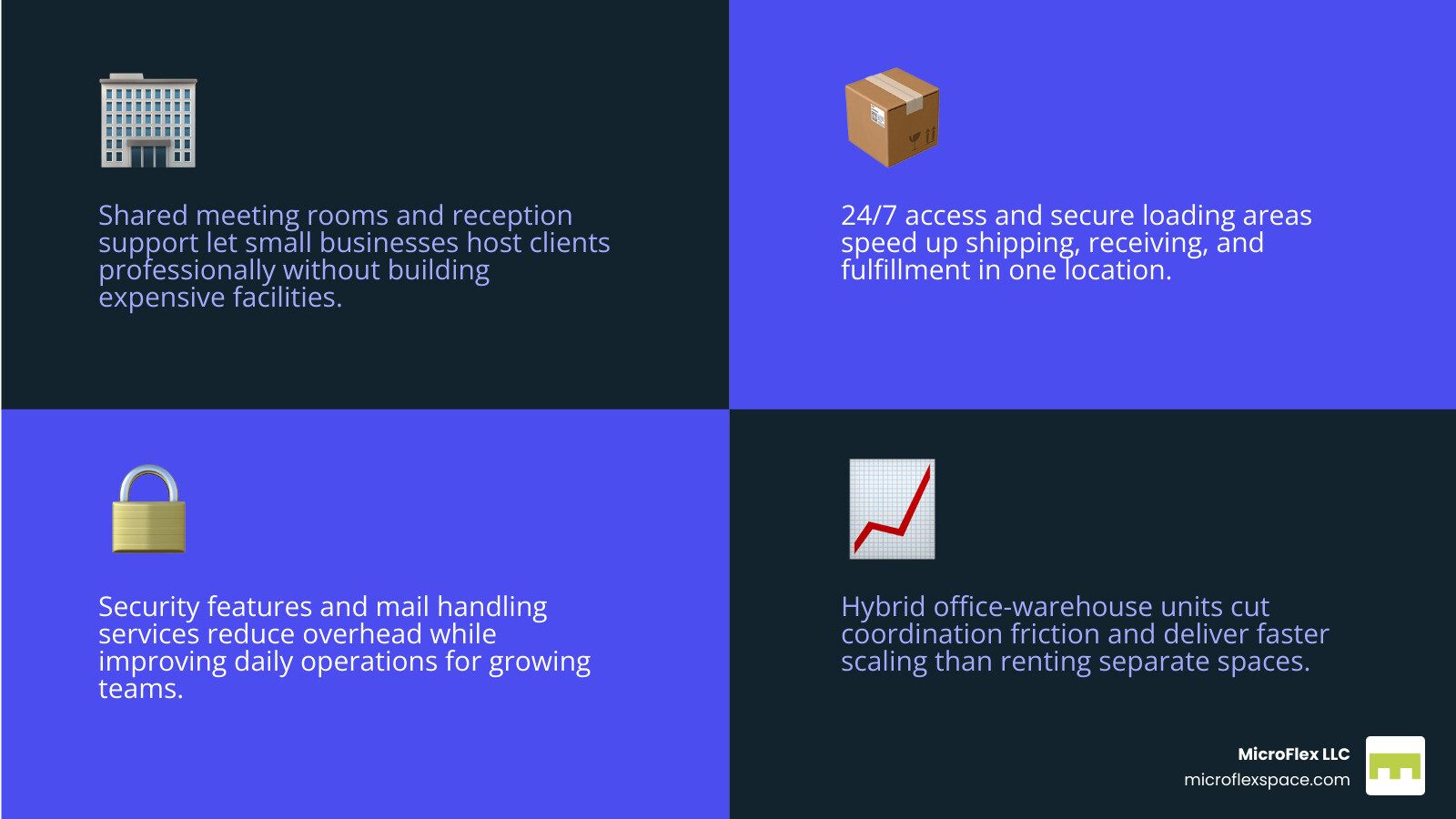
Modern flexible workspace environments often include extras that support growth, such as:
- Meeting rooms
- Reception or mail handling
- Pantry or break space
- Lockers
- Phone booths
- Event or training space
- Internet service
- 24/7 access
- Security features
These shared elements matter because they let small businesses operate more professionally without having to build every single function from scratch.
For more on this, see Flexible Workspace Solutions.
Why flexible industrial and office hybrids outperform siloed spaces
When your office, storage, showroom, and operations live together, the business usually moves faster.
Benefits include:
- Fewer handoffs between locations
- One business address
- Better coordination between teams
- Faster shipping and receiving
- More consistent customer experience
- Easier oversight by ownership or management
- Smoother scaling as needs change
That is a practical advantage, not just a real estate preference. It reduces the daily friction that slows small businesses down.
Why Alabama Businesses Are Turning to Multi-Function Space
Across our markets in Auburn-Opelika, Birmingham-Irondale, Birmingham-Hoover, and Huntsville, we are seeing the same pattern: businesses want space that matches how they actually operate.
They do not want to pay for a fancy office that cannot handle inventory. They do not want a basic warehouse with nowhere to meet clients. And they definitely do not want to juggle multiple addresses unless absolutely necessary.
The regional advantage of Birmingham-area and North Alabama locations
Each of our Alabama markets offers a different operational advantage:
- Birmingham-Irondale supports logistics access and broader Birmingham-area connectivity
- Birmingham-Hoover offers convenience, visibility, and access to established suburban business activity
- Huntsville, including the Madison-area context, benefits from strong growth and a business ecosystem shaped by technology, research, and advanced industry
- Auburn-Opelika gives businesses access to a growing regional market with practical room to operate
These are exactly the kinds of markets where adaptable space can outperform rigid traditional formats.
What to look for in Auburn, Hoover, Irondale, and Huntsville-area space
When comparing options, focus on:
- Visibility if clients visit you
- Access for deliveries and service vehicles
- Commute convenience for your team
- Parking and loading practicality
- Surrounding business mix
- Ability to expand later
- Compatibility with your actual workflow
If your business needs both front-office polish and back-end utility, the right local fit matters just as much as the unit itself.
Why MicroFlex is the best alternative for growing small businesses
We built MicroFlex around a simple idea: small businesses need more useful space, not more complicated space.
Our model is designed for businesses and hobbyists that need a real combination of:
- Office
- Warehouse
- Storage
- Showroom
- Light operational space
Because we focus on adaptable configurations and flexible terms in Alabama markets, we offer a practical alternative to the usual tradeoff between privacy and flexibility. Traditional office parks often lack operational utility. Coworking can be flexible, but it usually lacks privacy, storage, or room for inventory. We bridge that gap.
To learn more, read Unlocking Potential: Multi-Use Commercial Properties and Multi-Functional Spaces Alabama.
Frequently Asked Questions about Multi Function Business Space
Can one unit really handle office, warehouse, showroom, and light production?
Yes, if the layout is planned well. The key is creating separate workflow zones for each function:
- Office and admin area
- Storage and inventory area
- Customer-facing or showroom section
- Light assembly, packing, or prep area
This is exactly why flex-style units exist. They are meant to support mixed operations without forcing you into multiple leases.
Is a multi function business space better for growing companies than a standard lease?
For many growing businesses, yes. A multi function business space usually offers better adaptability, less disruption during growth, and a more scalable footprint than a standard single-purpose lease.
If your business may add inventory, staff, equipment, or customer-facing functions over time, a flexible setup can reduce the need for a costly move later.
What should I confirm before signing for a multi function business space?
Before you sign, confirm:
- Zoning allows your intended use
- The lease permits all planned activities
- Loading and access fit your workflow
- The layout works for current and near-future needs
- Any build-out or improvements are approved
- You understand whether the lease is gross or NNN
A little due diligence up front can save a lot of regret later.
Conclusion
A multi function business space is not just a trend. It is a smarter way to support modern business operations in one growth-ready footprint. When you can combine office work, storage, customer interaction, and light operations in one place, you gain speed, flexibility, and breathing room.
For Alabama businesses in Auburn-Opelika, Birmingham-Irondale, Birmingham-Hoover, and Huntsville, that kind of adaptability can make expansion feel a lot less risky and a lot more practical.
If you want to keep exploring, start with Everything You Need to Know About Microflex Spaces or Visit MicroFlex.