


Why Huntsville’s Distribution Center Landscape Matters for Your Business
The Huntsville distribution center ecosystem has become one of Alabama’s fastest-growing logistics hubs, with major investments totaling over $1 billion and creating more than 9,000 jobs across the region. Here’s what you need to know:
Major Distribution Centers in Huntsville:
- Amazon Fulfillment Centers – Two facilities (HSV1 and HSV2) totaling nearly 2 million square feet, handling both standard and XL items
- Huntsville Logistics Center – 2.2 million square foot facility with $200+ million investment, creating 700+ jobs
- Target Distribution Center – Regional hub serving southeastern retail stores
- USPS Processing & Distribution Facility – Consolidated mail processing saving $4.9 million annually
Why Huntsville for Distribution:
- Strategic location near I-65, I-20, I-59, and Huntsville International Airport
- Access to major manufacturing (Mazda Toyota, Polaris) and tech facilities (Facebook Data Center)
- Pro-business environment with skilled workforce
- Class A facilities with 40-foot clear ceilings and modern automation
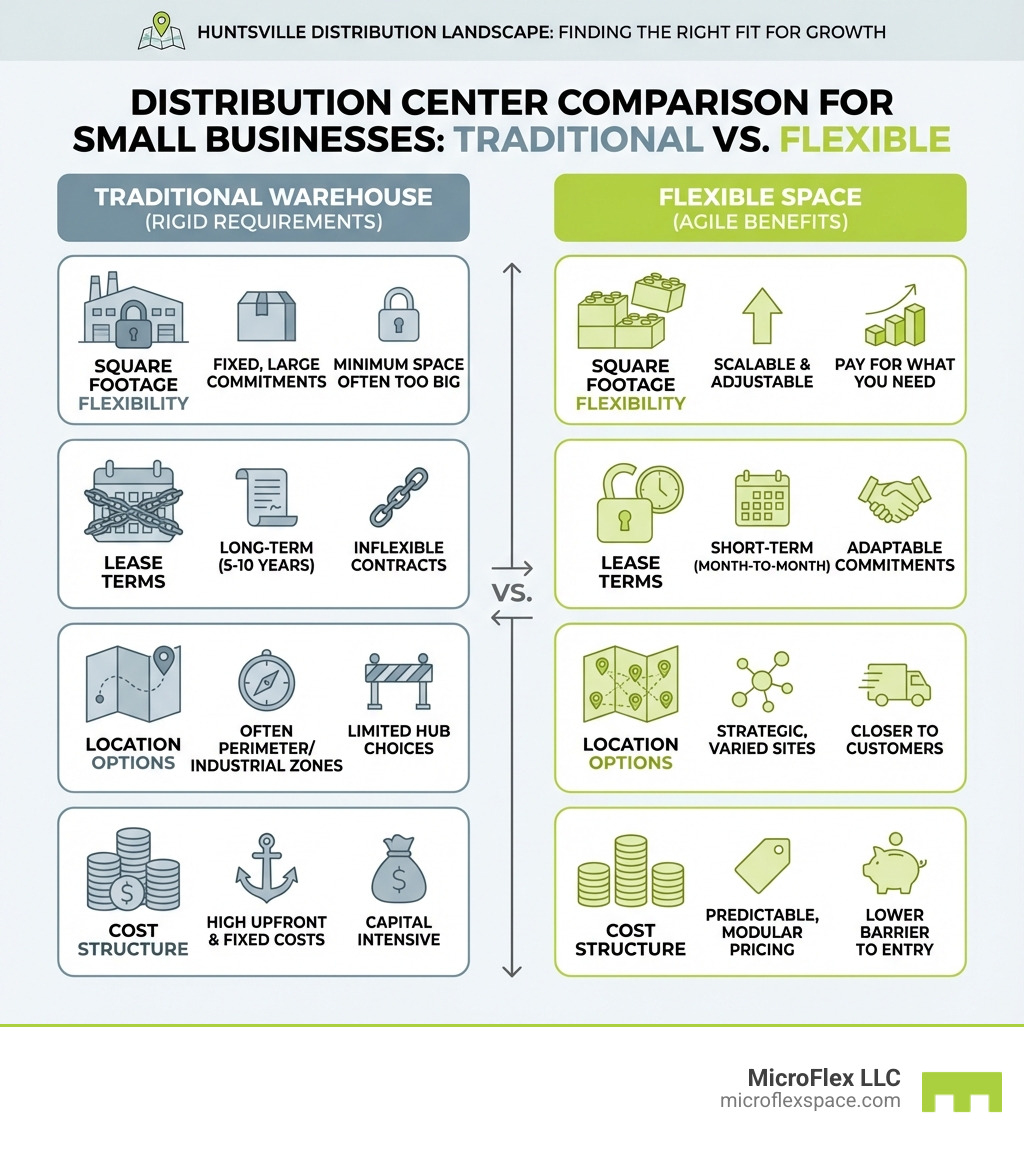
The challenge? Most distribution centers require rigid long-term leases and massive square footage commitments that don’t work for growing small businesses.
I’m Chase Carroll, and I’ve spent over 12 years developing industrial and commercial real estate projects, including work in emerging markets where flexible space solutions solved real business problems. Understanding the Huntsville distribution center landscape helps small business owners identify when traditional warehousing makes sense—and when flexible alternatives like MicroFlex spaces offer better solutions for inventory management, local fulfillment, and business growth without the burden of inflexible 5-10 year warehouse leases.
Basic Huntsville distribution center vocab:
The Primary Function of Huntsville’s Distribution Centers: More Than Just Storage
When we talk about a Huntsville distribution center, we’re not just talking about a big box where goods sit idly. These facilities are dynamic, high-tech nerve centers of commerce, playing a crucial role in getting products from manufacturers to consumers efficiently. Their primary function revolves around receiving, sorting, storing, and shipping goods, but the complexity beneath these simple actions is truly impressive.
Take Amazon’s facilities in Huntsville, for example. We have two major Amazon Fulfillment Centers (HSV1 and HSV2) in the Madison area, both serving distinct but equally vital functions. HSV1 handles a wide variety of items, while HSV2 is an “XL Fulfillment Center.” This 1-million-square-foot facility is specifically designed to receive, store, and package heavy and bulk items like home appliances, large furniture, or outdoor equipment. This specialization ensures that whether you’re ordering a book or a refrigerator, it moves through a system optimized for its size and weight.
The newly developed Huntsville Logistics Center, a massive 2.2 million-square-foot industrial park, is another prime example. Its purpose is to provide modern bulk distribution warehouse space with features like 40-foot clear ceilings and cross-docking capabilities, making it ideal for large-scale operations requiring rapid throughput.
Even the USPS Processing and Distribution Facility (P&DF) in Huntsville serves a similar, albeit specialized, function. It processes and distributes mail, ensuring that letters and packages arrive at their destinations. While it might seem distinct from commercial goods, the underlying logistical challenge of sorting, routing, and transporting is very much the same.
The core function of any Huntsville distribution center is to act as a vital intermediary in the supply chain, changing raw or manufactured goods into readily available products for businesses and end-consumers. They are the circulatory system of modern retail and commerce, ensuring everything flows smoothly.
Industries Served by Huntsville’s Distribution Centers: A Diverse Ecosystem
Huntsville’s distribution centers cater to a remarkably diverse array of industries, reflecting the city’s robust and varied economic landscape. This isn’t just about moving goods for one type of business; it’s about supporting a broad spectrum of economic activity.
- E-commerce: This is perhaps the most visible industry served. Amazon’s presence alone highlights the massive scale of online retail fulfillment happening here. Their non-sortable and XL fulfillment centers handle everything from bulk paper goods and rugs to large home appliances, demonstrating a capacity to manage a vast product catalog for online shoppers.
- Retail: Beyond e-commerce, traditional brick-and-mortar retail relies heavily on these centers. Facilities like the Target Distribution Center act as crucial hubs for replenishing store shelves across the southeastern United States, ensuring that your local Target always has what you need.
- Manufacturing: With major players like Mazda Toyota Manufacturing and Polaris nearby, distribution centers in Huntsville are strategically positioned to support the manufacturing sector. The Huntsville Logistics Center, for instance, is designed for bulk distribution, which is essential for supplying parts and components to manufacturing plants or distributing finished goods.
- Automotive, Aerospace & Defense, Healthcare, and Industrials: Third-Party Logistics (3PL) providers operating in Huntsville, such as Buske Logistics, explicitly serve these high-stakes industries. This indicates a need for specialized handling, just-in-time delivery, and robust supply chain solutions for complex and often high-value goods.
- Postal Services: The USPS Processing and Distribution Facility ensures that mail, both originating and destinating, is processed and delivered efficiently to residents and businesses in Huntsville and beyond. This is a foundational logistics service supporting all other industries.
This broad industry reach underscores Huntsville’s importance as a regional logistics powerhouse, capable of handling everything from a small package to a massive industrial component.
The Role of Major Corporations in Huntsville’s Distribution Landscape
While the landscape is diverse, major corporations often anchor and define the capabilities of a Huntsville distribution center. Their significant investments and operational scales set benchmarks for efficiency and technological integration.
Amazon’s Footprint
Amazon, for instance, has made a substantial commitment to Alabama, investing over $1 billion statewide and creating more than 9,000 direct jobs. In Huntsville specifically, their presence is particularly strong:
- Two Fulfillment Centers: We’ve seen the opening of a nearly 1 million square foot Non-Sortable Fulfillment Center, which quickly created hundreds of full-time jobs. This facility specializes in larger items like bulk paper goods or outdoor equipment.
- XL Fulfillment Center: An additional 1-million-square-foot XL Fulfillment Center focuses on heavy and bulk items such as home appliances, creating another 250 full-time positions.
These facilities are critical to Amazon’s ability to offer rapid delivery for a vast array of products, directly impacting customer service by ensuring items are readily available and quickly shipped. They are integral to Amazon’s overall supply chain strategy, which prioritizes customer obsession and operational excellence.
Target’s Strategic Hub
The Target Distribution Center in Huntsville is a prime example of how a major retailer leverages the region’s logistical advantages. While specific details on its exact size or job numbers might not be as publicly detailed as Amazon’s, its function is clear: it’s a crucial logistics hub for Target.
This center plays a vital role in Target’s supply chain by:
- Replenishing Retail Stores: It ensures that Target’s numerous retail locations across the Southeast are consistently stocked with merchandise. This direct link to stores is essential for maintaining inventory levels and meeting in-store customer demand.
- Supporting E-commerce: In today’s retail environment, distribution centers are increasingly handling online orders. The Huntsville Target facility likely contributes to fulfilling direct-to-consumer shipments, a key component of Target’s customer service and competitive strategy.
- Optimizing Inventory: By strategically managing the flow of goods, the center helps Target balance supply and demand, minimizing storage costs while ensuring product availability.
Essentially, these large corporations use Huntsville as a strategic point to optimize their entire supply chain, from inventory management to the final mile of delivery, all aimed at enhancing customer satisfaction and operational efficiency.
Employment Opportunities: A Growing Job Market
The growth of the Huntsville distribution center sector has translated into a significant boom in employment opportunities, offering a wide range of roles for individuals with diverse skill sets. This isn’t just about warehouse work; it’s about a complex ecosystem requiring various talents.
- Warehouse Operations: This is the backbone, involving roles such as receiving, stocking, picking, packing, and shipping. Amazon’s facilities alone have created hundreds of full-time jobs, with some offering a minimum starting wage of $15 per hour and comprehensive benefits, including paid time off and parental leave.
- Management and Supervisory Roles: Overseeing the intricate operations of a distribution center requires skilled managers, team leads, and supervisors to ensure efficiency, safety, and productivity.
- Administrative and Support Staff: Every large operation needs administrative support, HR, safety officers, and maintenance personnel to keep things running smoothly.
- Specialized Roles: With the increasing integration of technology, there’s a growing demand for IT specialists, data analysts to optimize logistics, and supply chain analysts to refine processes. The adoption of innovative technologies means these facilities are not just about brawn but also about brains.
- Construction Jobs: The development of new facilities, such as the 2.2 million-square-foot Huntsville Logistics Center, initially created approximately 450 construction jobs, demonstrating the broader economic ripple effect. Once operational, this center is expected to bring over 700 permanent jobs to the area.
This growth signifies a robust job market within the logistics sector in Huntsville, offering stable employment and pathways for career advancement.
Logistics Management in Huntsville: A Symphony of Movement
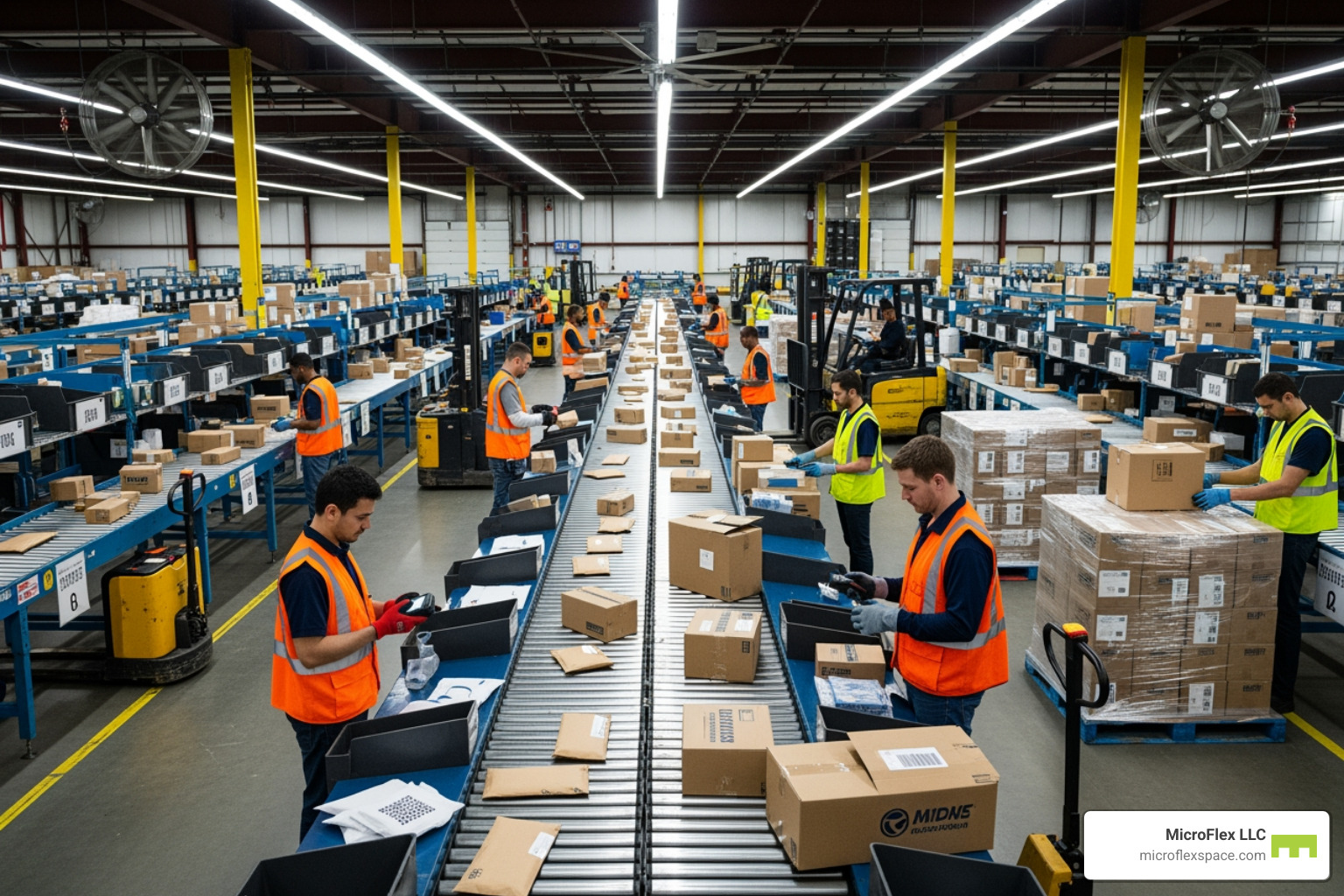
Managing logistics within a Huntsville distribution center is like conducting a symphony—every inbound and outbound move must stay in rhythm. The core pieces are inbound, inventory, outbound, and transportation, all coordinated by software and people.
Inbound Logistics
Goods arrive from manufacturers and suppliers and move quickly into the system.
- Receiving: Unloading and initial inspection for accuracy and damage.
- Cross-docking: Class A facilities like the Huntsville Logistics Center support direct transfer from inbound to outbound with minimal storage—ideal for fast movers. 3PLs such as Buske Logistics offer inbound cross-dock receiving and vendor consolidation.
Inventory Management
Know what you have, where it is, and when it moves.
- Storage: Space is slotted strategically to maximize capacity and access.
- Tracking: WMS-driven, real-time visibility prevents stockouts/overstocks across pallets, cases, and eaches.
- Fulfillment: Orders are picked, packed, and shipped—often with drop shipping for direct-to-consumer.
Outbound Logistics
- Order consolidation: Store replenishment and parcel-ready packing happen in parallel.
- Loading: Trailers are loaded for cube efficiency and on-time departure.
- Reverse logistics: Returns are assessed for restock, supplier return, or disposal.
Transportation
- Route optimization: Software plans efficient TL, LTL, and dedicated runs.
- Carrier management: A blended network—often with asset-based options (e.g., Buske Logistics)—balances speed and cost.
- Last mile: Parcel and specialized delivery partners meet consumer SLAs.
When these elements work in concert, the Huntsville distribution center network delivers reliably, at speed, and at a cost structure that supports growth.
Technology at the Forefront: Boosting Efficiency
Modern Huntsville distribution center operations run on tech—less manual muscle, more digital precision.
- AS/RS: High-bay automation that stores and retrieves with speed and accuracy while compressing footprint.
- Conveyors: The facility’s circulatory system, linking receiving, pick, pack, and ship.
- Automated sortation: Barcode-driven sorters move massive parcel volumes with high accuracy.
- Robotics: Pick, pack, and palletizing automation increase throughput and reduce repetitive strain.
- Innovative and energy-efficient PIT: Amazon notes using innovative technologies and zero-emission power industrial truck equipment in Huntsville facilities.
- WMS: The digital brain orchestrating inventory, labor, orders, and KPIs in real time.
Together, these tools lift velocity, accuracy, and cost efficiency—table stakes for customer expectations today.
Economic Impact: Fueling Huntsville’s Growth Engine
The expanding Huntsville distribution center ecosystem is a powerful jobs and investment flywheel.
- Job creation: Amazon has added 9,000+ jobs statewide in Alabama, with Huntsville a major beneficiary. The 2.2 million-square-foot Huntsville Logistics Center adds 450 construction jobs and is expected to bring 700+ permanent roles.
- Tax base growth: More payroll and operations fuel local and state revenues for reinvestment.
- Supply chain ripple effects:
- Transportation providers gain TL/LTL and drayage volume.
- Facility and equipment maintenance vendors see recurring demand.
- Staffing agencies help manage seasonal peaks.
- Nearby food service and retail benefit from daily foot traffic.
- Infrastructure upgrades: Large developments often catalyze road, utilities, and broadband improvements.
- Population and housing: Steady job inflows support residential construction and real estate stability.
Net result: logistics acts as a regional multiplier—creating durable value well beyond the four walls of any single building.
Strategic Advantages of Huntsville, Alabama: A Logistics Sweet Spot
Huntsville is no accident—it’s a purpose-built node for fast, reliable distribution.
- Exceptional connectivity: Direct access to Interstate 65, Interstate 20, and Interstate 59, plus air cargo via Huntsville International Airport, gives shippers true multimodal choice.
- Proximity to key markets and manufacturing: Minutes from industrial and tech anchors like Mazda Toyota Manufacturing USA, Cummings Research Park, and Redstone Arsenal. The Research Park Blvd Distribution Center underscores the advantage for companies serving these destinations.
- Skilled workforce: A deep talent pool supported by local universities and the broader federal/tech ecosystem.
- Pro-business environment: City and state partners streamline site selection and expansion—developers of the Huntsville Logistics Center have highlighted this support.
- Modern infrastructure: Class A buildings with 40-foot clear heights, heavy power, generous docks, and cross-docking capabilities meet today’s throughput requirements.
For operators, these strengths translate to lower transit times, better service levels, and more flexible cost structures—exactly what competitive supply chains need.
Contribution to Supply Chain Strategy and Customer Service
The Huntsville distribution center plays an indispensable role in the overall supply chain strategy and customer service goals of the companies operating within them. They are not merely cost centers but strategic assets.
For major retailers and e-commerce giants like Amazon and Target, these centers are fundamental to their competitive edge:
- Speed and Efficiency: By strategically locating distribution centers, companies can drastically reduce transit times to customers and stores. This allows for faster delivery, a key factor in customer satisfaction, especially in the age of “next-day” or “same-day” shipping. The ability to quickly route products to individual stores or directly to customers is paramount.
- Inventory Optimization: These centers are equipped with sophisticated inventory management systems that track product flow in real-time. This minimizes the risk of stockouts (empty shelves or unavailable online items) and overstocking (costly excess inventory). Maintaining optimal inventory levels ensures products are available when and where customers want them.
- E-commerce Fulfillment: With the explosion of online shopping, distribution centers have become critical for fulfilling direct-to-consumer orders. They handle the complex process of picking, packing, and shipping individual items, often integrating with various parcel carriers. This is vital for meeting the expectations of online shoppers.
- Cost Reduction: By consolidating inventory and optimizing transportation routes, distribution centers help companies reduce logistical costs. This efficiency can translate into more competitive pricing for consumers.
- Customer Service Improvement: Everything a distribution center does contributes to better customer service. Timely deliveries, accurate orders, and consistent product availability build customer trust and loyalty. The ability to handle returns efficiently (reverse logistics) also contributes positively to the customer experience.
- Scalability: Modern distribution centers are designed to handle fluctuating demand, especially during peak seasons like holidays. This scalability ensures that customer service levels can be maintained even when order volumes surge.
A well-functioning Huntsville distribution center is a silent hero, working tirelessly behind the scenes to ensure that the products we rely on are always within reach, delivered efficiently, and contribute positively to the overall brand experience.
Future Prospects and Potential Challenges
The trajectory for the Huntsville distribution center market is strong—growth with a few watchouts to manage.
Future Prospects
- Continued growth and investment: Huntsville Logistics Center’s full 2.2 million-square-foot build-out and $200M+ investment signal durable demand.
- More automation and data: Expect deeper WMS, robotics, and AI adoption to hit higher throughput and accuracy targets.
- Broader industry mix: As the regional economy diversifies, specialized logistics (aerospace, automotive, healthcare) will expand.
- Rising demand for flexible space: Small and mid-sized firms want speed-to-operate without 5–10 year commitments—fueling alternatives to traditional bulk leases.
Potential Challenges
- Workforce: Recruiting and retaining enough qualified people for tech-enabled operations remains competitive.
- Infrastructure: Traffic, roads, and utilities must scale with facility count and volume.
- Customer expectations: Same- and next-day norms require ongoing tech and process investment.
- Operational complexity: Globally integrated supply chains and returns flows demand expert management.
- Capacity missteps: As seen in USPS consolidation examples, reconfigurations can create bottlenecks if machine or labor capacity lags demand—cost savings (e.g., $4.9M annually) must be balanced against service performance.
For growing companies, the takeaway is clear: pair Huntsville’s advantages with flexible footprints—like MicroFlex—to stay nimble as the market evolves.
MicroFlex Spaces: Your Flexible Solution for Huntsville Logistics
As we’ve explored the dynamic world of the Huntsville distribution center, it becomes clear that while these massive hubs are essential for large corporations, they often present a challenge for small and growing businesses. Traditional distribution centers typically demand rigid, long-term leases and require substantial square footage commitments that might be overkill for your current needs or too risky for your future growth plans.
That’s precisely where MicroFlex steps in as the best alternative, particularly in a thriving market like Huntsville. We understand that your business needs flexibility, scalability, and efficiency without the burden of a massive, inflexible warehouse.
MicroFlex offers adaptable multi-function spaces that combine the best aspects of:
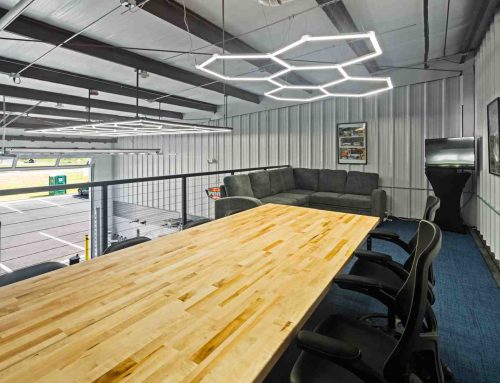
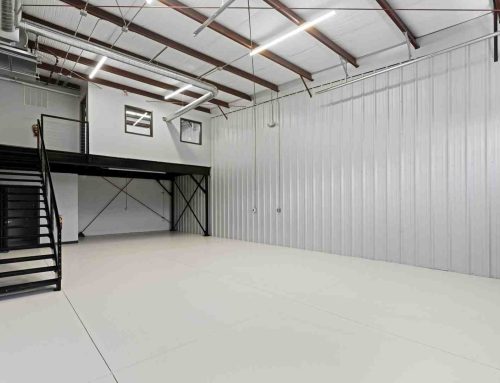
- Warehouse: Need space for inventory, receiving shipments, or preparing orders? Our units provide clean, secure warehouse space.
- Office: Manage your operations, handle administrative tasks, or meet with clients in integrated office areas.
- Storage: Securely store equipment, excess inventory, or archives.
- Showroom: Showcase your products to clients or customers directly from your operational hub.
Our unique selling proposition is built around flexible lease terms and diverse configurations. This means you can get the right amount of space you need, when you need it, without being locked into a 5-10 year lease that might stifle your growth or leave you paying for unused space.
Think about it:
- Perhaps you’re an e-commerce startup in Huntsville needing a local fulfillment point to serve your Alabama customers faster.
- Maybe you’re a small manufacturing business that needs a regional hub for assembly and distribution without the overhead of a corporate distribution center.
- Or you’re a service provider needing space for equipment and a small office.
MicroFlex offers the ideal solution for these scenarios. Our spaces in Huntsville, along with our other Alabama locations in Auburn Opelika, Birmingham Irondale, and Birmingham Hoover, are designed to empower small business owners like you. We provide the infrastructure you need to streamline your logistics, manage inventory, and grow your business, all within a flexible and cost-effective framework.
Why commit to a colossal, inflexible Huntsville distribution center when you can scale your operations precisely with MicroFlex? It’s about empowering your business to thrive in Huntsville’s busy logistics landscape, on your terms.
Conclusion: Huntsville’s Logistics Future
The Huntsville distribution center landscape is a testament to the city’s strategic importance and economic vitality. From the massive Amazon fulfillment centers and the burgeoning Huntsville Logistics Center to the essential USPS operations, these facilities are critical engines of commerce, driving job creation, technological innovation, and regional growth. They serve a diverse range of industries, from e-commerce and retail to manufacturing and aerospace, all while contributing significantly to the overall supply chain efficiency and customer service of major corporations.
However, the future also holds challenges, from workforce demands to evolving consumer expectations and the continuous need for technological adaptation. For smaller businesses looking to tap into Huntsville’s powerful logistics network, the traditional model of massive, long-term leased distribution centers can be daunting. This is where adaptable solutions like MicroFlex spaces become invaluable, offering the flexibility and scalability needed to thrive in this dynamic environment.
Huntsville’s journey as a logistics hub is far from over; it’s an evolving story of growth, innovation, and strategic advantage, and we’re excited to be a part of it, providing the versatile spaces that empower businesses to contribute to this exciting future.