Understanding Your RV Storage Choices
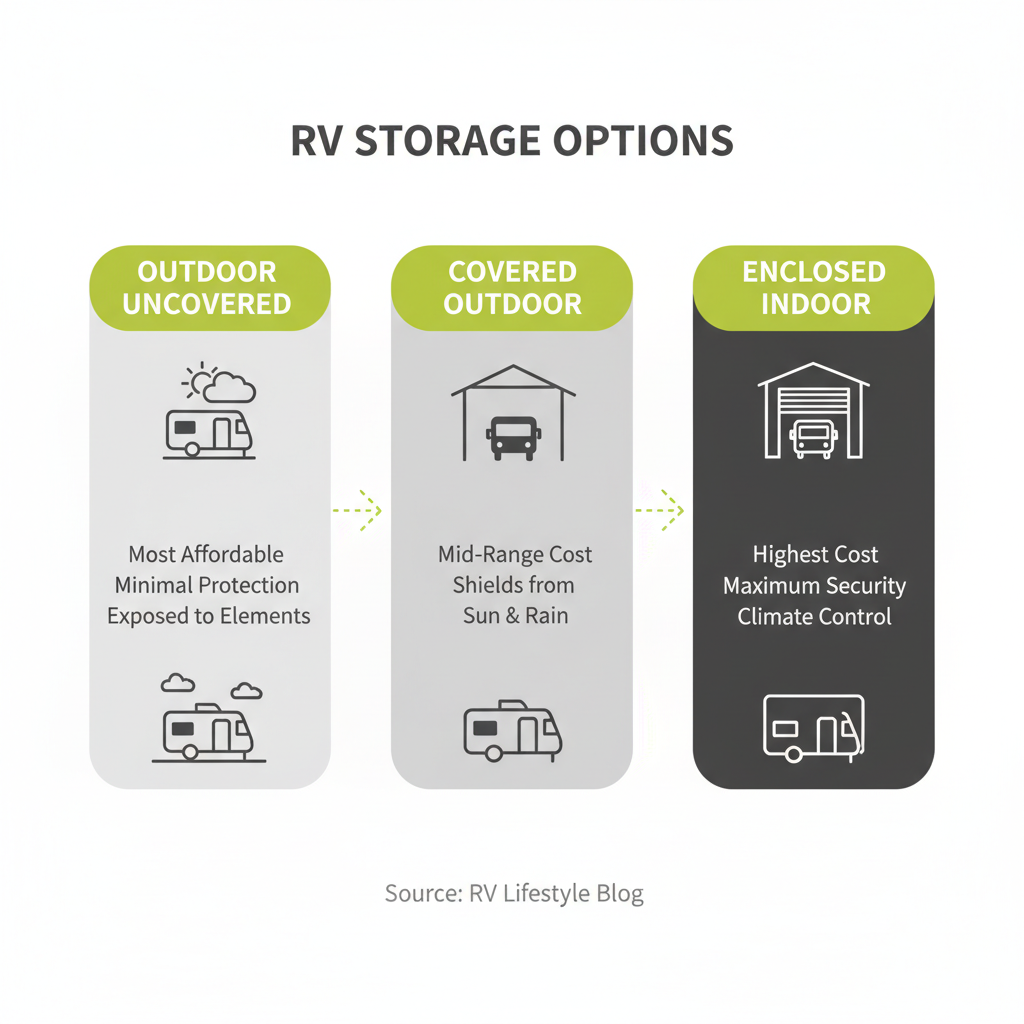
RV storage options fall into three main categories that differ in cost, protection, and accessibility:
| Storage Type | Cost Range (Monthly) | Protection Level | Best For |
|---|---|---|---|
| Outdoor Uncovered | $30-$100 | Minimal | Short-term, budget-conscious owners |
| Covered Outdoor | $50-$250 | Moderate | Year-round protection from sun/rain |
| Enclosed Indoor | $50-$450+ | Maximum | Long-term, high-value RVs, harsh climates |
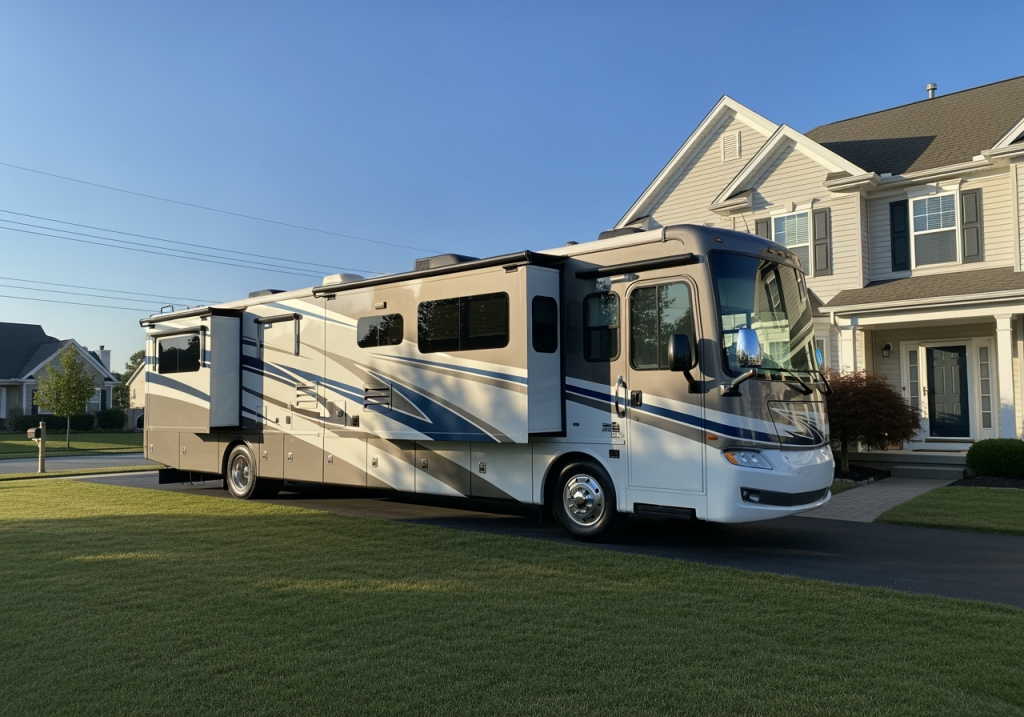
Owning an RV means freedom, but when you’re not traveling, that massive vehicle takes up serious space. Many RV owners face HOA restrictions prohibiting large vehicles on residential property or simply want to reclaim their driveway.
Outdoor covered and uncovered parking spaces are often well-suited for RVs due to their ample space, though smaller RVs can fit in 10×30 or 10×40 indoor units. The average monthly cost to store an RV is around $130, but this varies widely based on location, amenities, and the type of storage you choose.
This guide explores all available RV storage options to help you find the right solution. We’ll break down the pros and cons of each storage type, what features to look for, how to prepare your RV for storage, and tips for maximizing space.
I’m Chase Carroll, and over the past 12+ years I’ve developed and operated self-storage facilities, including specialized RV storage options through MicroFlex™ LLC developments. My focus is on creating flexible storage solutions that give small business owners and RV enthusiasts the space they need without rigid, long-term commitments.
The Main Types of RV Storage: Which is Right for You?
Choosing where to park your RV comes down to your budget, how much protection your RV needs, and your local climate. Storing an RV in sunny Arizona is different than parking one through a Minnesota winter. Let’s walk through each storage type to find what makes sense for you.
| Storage Type | Cost Range (Monthly) | Protection Level | Security | Typical RV Fit |
|---|---|---|---|---|
| Outdoor Uncovered | $30 – $100 | Minimal (exposed to sun, rain, snow, wind) | Basic (fencing, gates, sometimes cameras) | Any size RV, but larger ones are common |
| Covered Outdoor | $50 – $250 | Moderate (protected from sun, hail, rain, snow) | Moderate (fencing, gates, cameras, lighting) | Any size RV, common for Class A and C motorhomes |
| Enclosed Indoor | $50 – $450+ | Maximum (fully protected from elements, dust) | High (individual units, advanced surveillance) | Smaller RVs (10×30, 10×40), larger units (12×45) for bigger rigs |
If you use your RV frequently in a mild climate, you may not need a climate-controlled unit. But if your rig sits for months in extreme heat or cold, better protection can prevent expensive repairs.
Uncovered Outdoor Parking
This is the most budget-friendly of the RV storage options: a designated parking spot in a fenced lot. Paved surfaces are preferable to gravel, as they are better for your tires and prevent issues with mud or uneven ground. Uncovered parking works well for short-term storage or in mild climates. The trade-off for the lower price is full exposure to sun, rain, snow, and wind, which accelerates wear on the exterior. Monthly costs typically run between $30 and $100. If you’re also looking for economical solutions for other belongings, you can check out more info about cheap storage.
Covered Outdoor Storage
As a middle ground, covered outdoor storage offers better protection than uncovered parking without the cost of a full enclosure. These spaces have a roof to shield your RV from direct sunlight, hail, rain, and snow. This overhead protection makes a real difference in preventing UV damage, which fades paint and deteriorates rubber seals and tires. This option is popular for year-round storage without the premium price of an enclosed unit. Covered spaces usually range from 12×30 feet up to 14×45 feet, accommodating most RVs. Some facilities even provide 30-amp power outlets to keep your battery charged. Expect to pay between $50 and $250 per month.
Enclosed Indoor & Warehouse Storage
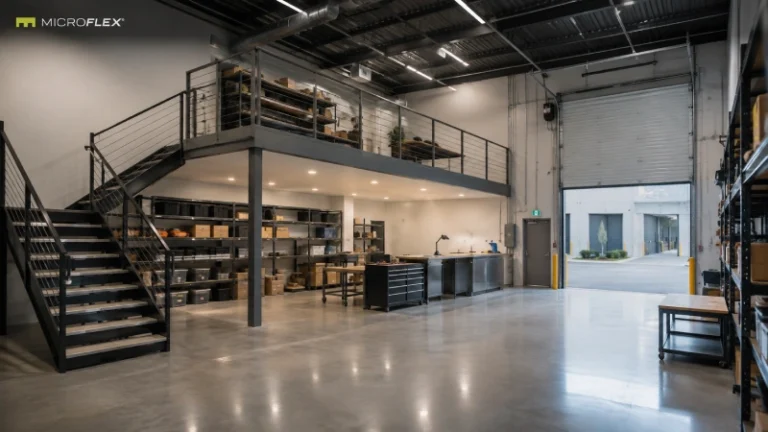
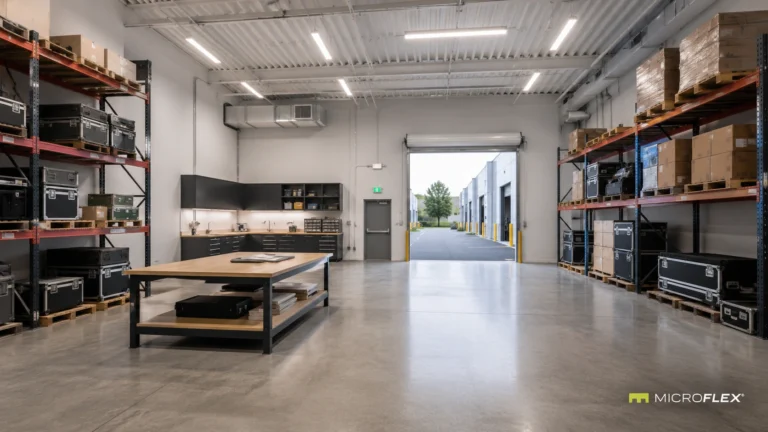
This is the premium choice among RV storage options, acting as a private garage for your RV. Enclosed storage provides complete protection from weather, dust, and potential vandalism. Security is also significantly better. Some facilities offer climate-controlled units to maintain consistent temperature and humidity, preventing mold, mildew, and damage to interior electronics. This preservation can save thousands in repairs. The challenge is finding a space that fits, as larger motorhomes need specialized facilities with high clearance—up to 13.5 feet. Our MicroFlex Space for RV Storage provides adaptable warehouse spaces that offer this level of protection. Enclosed storage is the priciest option, from $50 to $450+ per month, but the peace of mind is often worth the cost. Before committing, measure your RV and consult a RV Storage Size Guide to ensure the right fit.
Key Factors for Choosing an RV Storage Facility
Once you’ve decided on the type of storage, it’s time to find the right facility. Beyond being covered or enclosed, consider security, convenience, and value. You’re entrusting someone with your home away from home.
Security Features to Look For
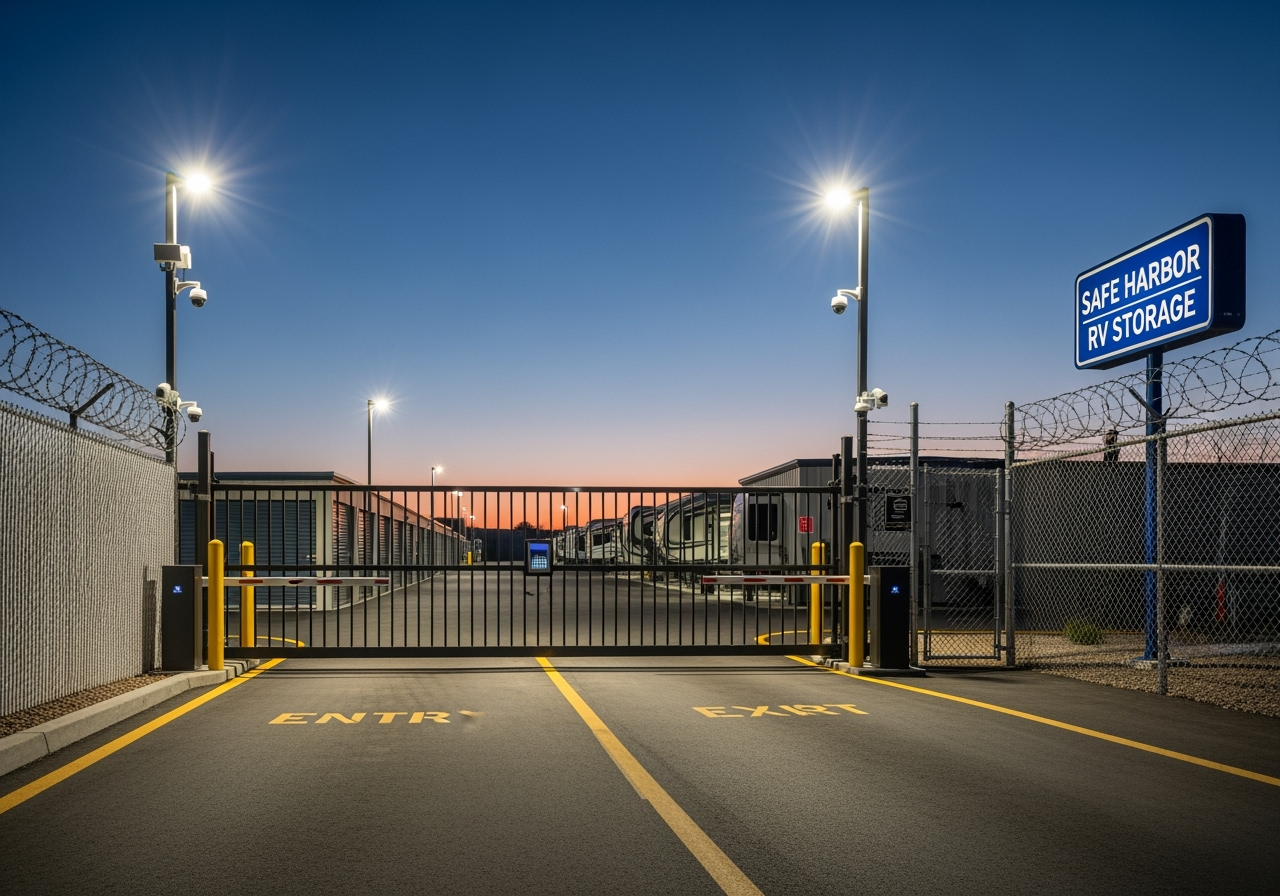
Protecting your RV is non-negotiable. When evaluating RV storage options, look for these key security features:
- Perimeter fencing around the entire property.
- Electronic gate access with coded entry to track who comes and goes.
- 24/7 video surveillance to deter theft and provide evidence if needed.
- Good lighting throughout the property to eliminate hiding spots.
- On-site management for a human presence and faster response times.
If you’re considering enclosed units, check that the doors and locks are sturdy. For those in the Birmingham area, you can Find a 24 Hour Storage Unit in Birmingham that balances flexible access with robust security.
Cost, Location, and Accessibility
Cost, location, and accessibility are key practical considerations. Prices are driven by location, with urban facilities costing more than rural ones. If you’re researching How Much Is A Storage Unit In Birmingham, you’ll notice this urban premium. The size of your RV and amenities like power outlets or dump stations also affect the monthly bill.
Consider the facility’s proximity to your home or major highways. A cheaper facility far away may cost more in fuel and time, discouraging spontaneous trips. Check the gate access hours—24/7 access offers the most flexibility for early departures or late returns.
Finally, look for wide driveways and pull-through spaces. Visit the facility to ensure you can comfortably maneuver your rig through their layout.
Essential Amenities
The right amenities can greatly improve your storage experience. An on-site dump station is a major convenience, saving you an extra stop. 30-amp power outlets at your spot allow you to keep batteries charged or run a dehumidifier. Water filling stations and paved surfaces are other valuable features, protecting tires and providing stable, level parking.
Some premium facilities offer valet parking, where staff handle parking and retrieval. This service costs more but is a great convenience if you’re uncomfortable maneuvering a large motorhome.
Industry resources like the TSN Guide to RV and Boat Storage emphasize that features like covered spaces, full fencing, and paved surfaces are becoming standard expectations for quality facilities, which is great news for RV owners evaluating their RV storage options.
How to Prepare Your RV for Long-Term Storage
Proper preparation is key to keeping your RV in great condition while stored. Whether for a few months or a long winter, these steps prevent damage and costly repairs. This applies to both long-term and Short-Term Storage situations.
Interior and Exterior Prep
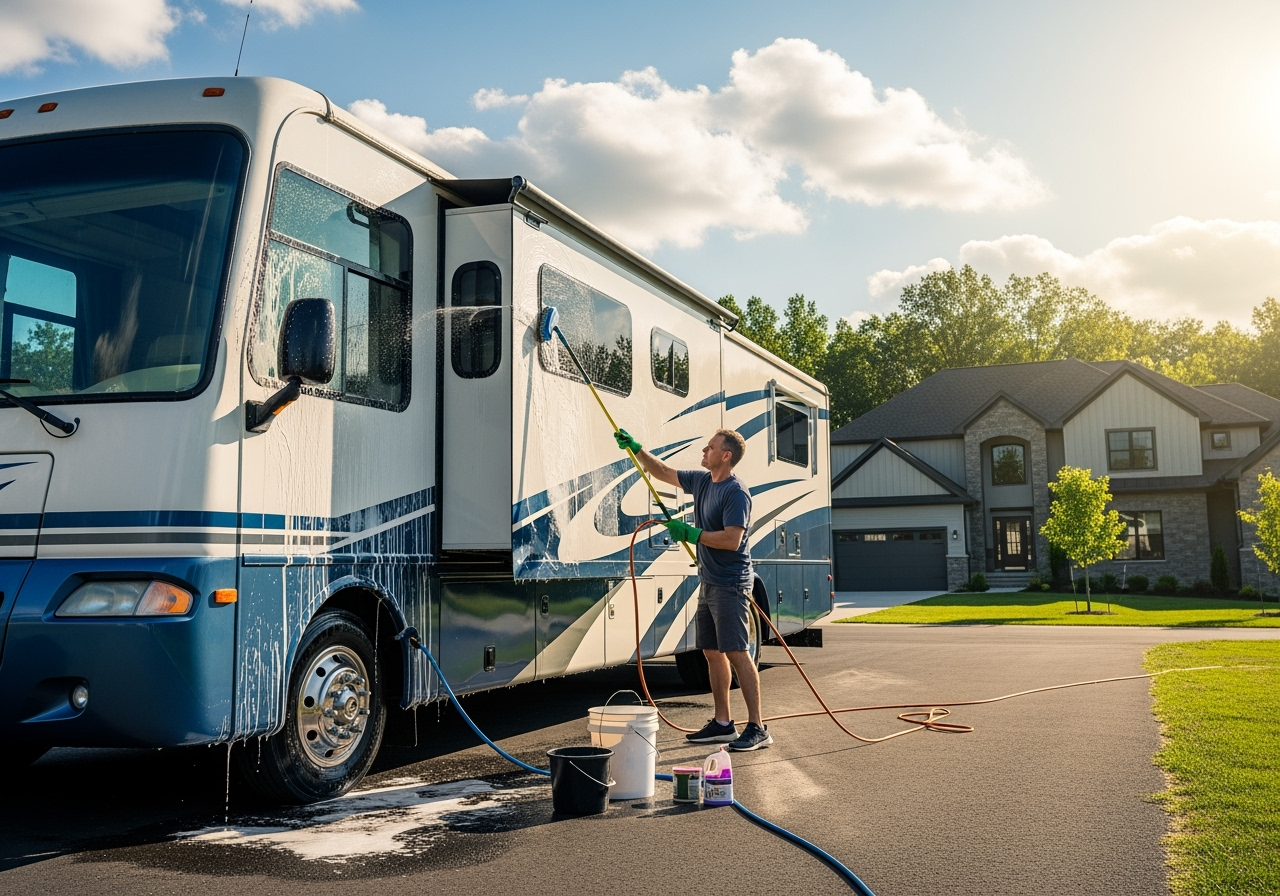
Start by giving the exterior a thorough wash and wax to protect the paint, especially for outdoor RV storage options. Inside, deep clean every surface, vacuum carpets, and wipe down appliances. Remove all food and perishables to prevent pests. Defrost and clean the refrigerator, leaving the doors ajar to prevent mold.
For pest prevention, place deterrents like dryer sheets in drawers and seal any gaps where critters might enter. To protect tires from sun damage, use tire covers. For long-term storage, consider placing the RV on jack stands to prevent flat spots. Finally, use a breathable RV cover to protect against the elements; avoid plastic tarps that trap moisture and cause mold.
Mechanical and Systems Prep
To prevent slow drainage, disconnect the battery (or remove it and keep it on a trickle charger). Top off all fluid levels, including oil, coolant, and brake fluid. A full fuel tank with an added fuel stabilizer prevents condensation and keeps the fuel fresh. Run the engine for a few minutes to circulate the stabilizer.
For water systems, completely drain the fresh, gray, and black water tanks, cleaning the gray and black tanks thoroughly. If storing in freezing temperatures, winterizing your plumbing with RV-specific antifreeze is essential to prevent burst pipes. For safety, turn off all propane tanks by closing the valves.
Legal and Insurance Requirements
Your RV must remain registered while in storage. Talk to your insurance agent about a “seasonal” or “comp-only” (comprehensive-only) plan, which can reduce your premium since you won’t need collision coverage. Vehicle insurance laws vary by state, so confirm what’s required in your area.
Before signing, carefully review your storage facility contract. The agreement outlines your responsibilities and what the facility covers, including any specific insurance requirements they may have. Understanding the contract prevents confusion if an issue arises.
Maximizing Space: Top RV Storage Hacks and Organization Tips
Keeping your RV’s interior organized is a common challenge. With a few clever tricks, you can make the most of every inch and transform cramped quarters into an efficient, roomy space.
Kitchen and Bathroom Organization
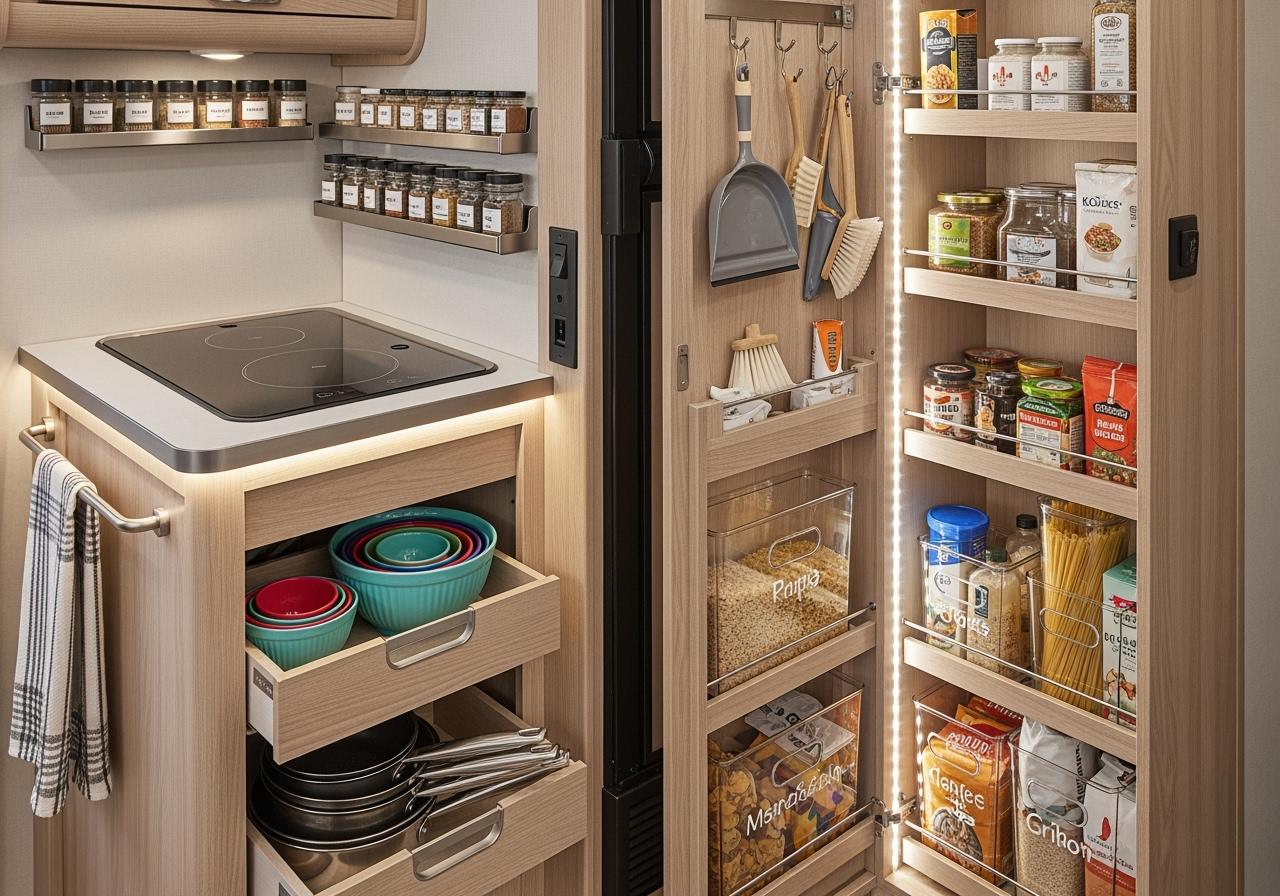
Smart organization in the kitchen and bathroom makes a big difference.
- Use adhesive hooks for towels, pot holders, and keys.
- Install a refillable wall-mounted soap dispenser to eliminate bottle clutter in the shower.
- Mount a storage bag organizer inside a cabinet door to corral plastic bags.
- A water bottle organizer keeps bottles from rolling around.
- A wall-mounted paper towel holder with a shelf offers two-in-one storage for towels and spices.
- Use pull-out storage drawers in the refrigerator to reclaim wasted vertical space.
Closet and General Storage Solutions
Make RV closets more functional with creative solutions.
- A hanging stow-and-go organizer is perfect for keeping clothes organized without using drawer space.
- Use packing cubes to compress clothing and fit items into awkward cabinets or under-bed storage.
- Repurpose a hanging shoe rack to store paper towel and toilet paper rolls, keeping them dry and off the floor.
- Mount broom and mop grippers on walls or inside doors to get cleaning tools out of the way.
- For larger equipment, rolling storage containers work well under dinettes or in cargo bays.
- Use color-coded, waterproof RV storage bags with identification tags to keep hoses and power cords organized and tangle-free.
- A pop-up trash can offers more capacity than small built-in bins and stores flat.
Good organization inside your RV complements the peace of mind you get from choosing the right external RV storage options, letting you spend more time enjoying the open road.
Frequently Asked Questions About RV Storage Options
Here are answers to the most common questions we hear from RV owners looking for the perfect storage solution.
What are the typical costs associated with different RV storage options?
RV storage costs vary based on the type of storage, location, RV size, and amenities.
- Outdoor uncovered parking is the most affordable, typically $30 to $100+ per month.
- Covered outdoor storage offers a balance of protection and cost at $50 to $250+ per month.
- Enclosed indoor units are the premium option, ranging from $50 to $450+ per month. Climate control will be at the higher end of this range.
Location is a major factor; facilities in urban areas like Auburn Opelika, Birmingham, or Huntsville generally cost more than rural ones.
What size storage space do I need for my RV?
Getting the right size is crucial. RVs are grouped into three main classes:
- Class A motorhomes: The largest, often 40 feet or more.
- Class B motorhomes: The smallest (van conversions), typically 17 to 19 feet.
- Class C motorhomes: Mid-sized, usually needing at least 30 feet of length.
Before choosing a space, measure your RV’s exact length (bumper to bumper, including accessories), width (including mirrors), and height (including AC units). Height is critical for enclosed units, as RVs can be up to 13.5 feet tall. Standard spaces are often 10×30, 10×40, or 12×45 feet. Always confirm dimensions with the facility.
Can I store other vehicles or items alongside my RV?
This depends on the storage type and facility policies. Enclosed units offer the most flexibility, often allowing you to store a motorcycle, ATV, or gear alongside your RV, provided the space is large enough. A flexible Small Warehouse Storage unit is ideal for this. Outdoor parking spaces are typically designated for one vehicle only. All facilities prohibit storing hazardous materials, flammable liquids, or perishable foods. Always read your rental agreement and discuss your needs with the facility manager to find the right solution.
Conclusion: Find Your Perfect RV Storage Solution
From budget-friendly outdoor parking to premium enclosed units, the right choice among RV storage options depends on your budget, climate, and security needs. Storing your RV is about protecting an investment that represents freedom and future adventures.
A little preparation—cleaning, winterizing, and covering tires—goes a long way in preventing costly repairs. Likewise, organizing your RV’s interior makes every trip more enjoyable. The perfect solution strikes a balance between affordability, protection, and convenience.
If you need more than a simple parking spot, such as flexible space for gear or business use, a multi-use warehouse is an ideal solution. MicroFlex™ LLC specializes in these adaptable spaces. Our facilities across Alabama, including Birmingham, Huntsville, and Auburn Opelika, offer flexible leasing terms and configurations that work for RV storage and much more. We’ve built our spaces with the needs of RV owners in mind.
Your RV deserves a safe home when it’s not on the road. Ready to find that perfect spot? Explore Mini-Warehouse Storage solutions with MicroFlex™ LLC and find how our flexible spaces can support all your adventures.