

Why Small Office Spaces Are the Smart Alternative to Remote Work
Finding a small office for rent that meets your business needs doesn’t have to be overwhelming. Here’s what you need to know:
Quick Options for Small Office Rentals:
- Private offices: $195-$539/month for 66-260 sq ft spaces
- Coworking memberships: $65/day or $279-$709/month for flexible access
- Virtual offices: $85-$355/month for business address and services
- Serviced offices: All-inclusive pricing with furniture, utilities, and support
Key Benefits:
- Professional business address and credibility
- Separation between work and personal life
- Access to meeting rooms and business amenities
- Flexible lease terms without long-term commitments
The shift away from home offices is real. As one Edmonton business owner put it: “Looking for the perfect office space in the heart of downtown?” captures the growing demand for dedicated workspaces that offer more than a kitchen table can provide.
Whether you’re a startup needing credibility, a freelancer wanting separation, or a small business ready to scale, small office rentals offer the flexibility that rigid commercial leases often can’t match. The average cost ranges from $10-$40 per square foot annually, but flexible options can provide better value through all-inclusive pricing.
My experience in Alabama’s commercial real estate market has shown me that businesses thrive when they find adaptable spaces that grow with them. As founder of OWN Alabama, I’ve helped countless entrepreneurs find how the right small office for rent can transform their business operations and professional image.
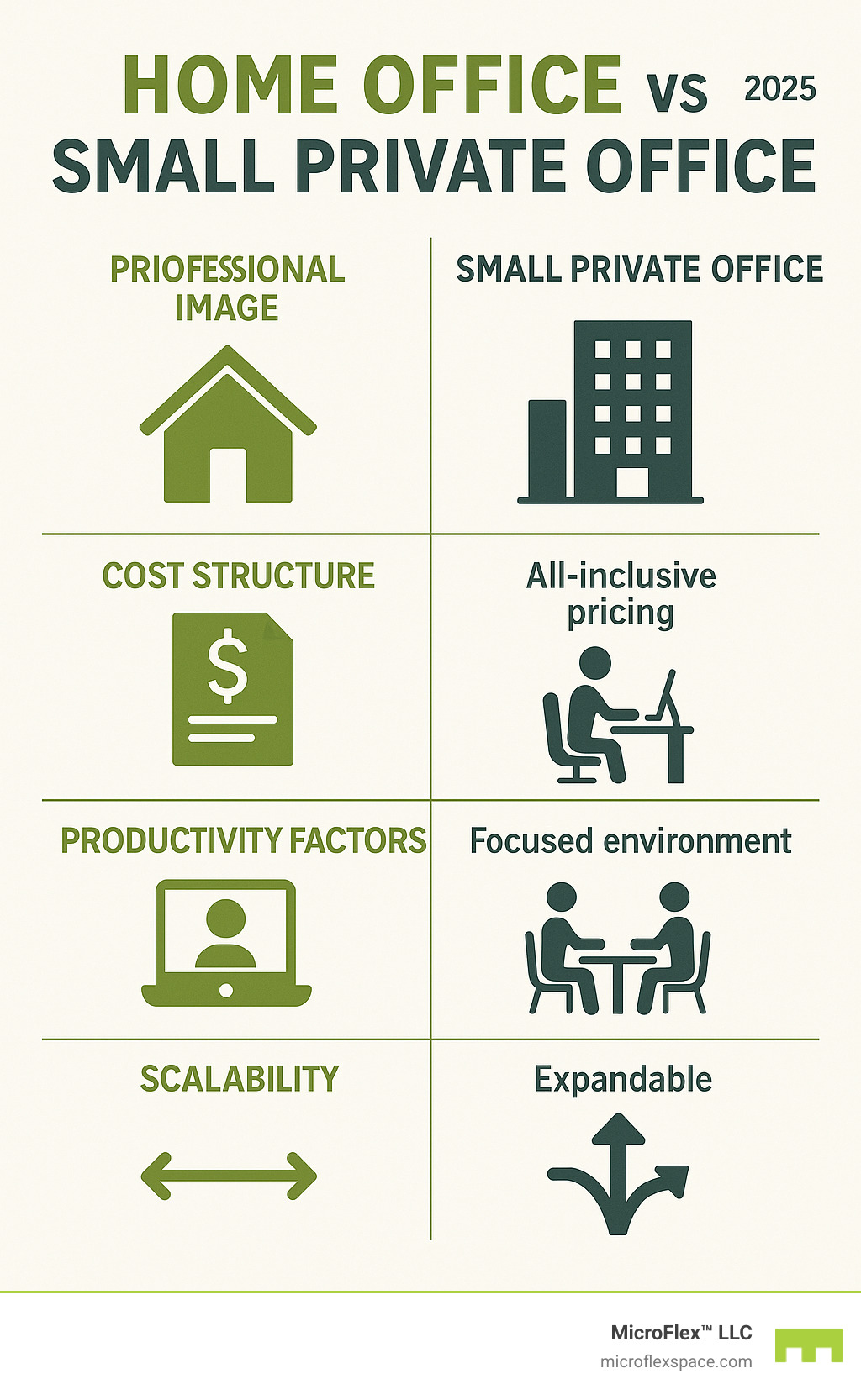
The Big Leap: Key Benefits of Renting a Small Office Space
Taking the leap from your home office to a small office for rent might feel like a big decision, but it’s often the turning point that transforms how the world sees your business—and how you see yourself as an entrepreneur.
Professional credibility is probably the most immediate benefit you’ll notice. There’s something powerful about having your own dedicated business space. When clients visit your office instead of meeting at a coffee shop or your kitchen table, they instantly take you more seriously. It sends a clear message: you’re established, you’re growing, and you’re here to stay.
The work-life separation aspect is honestly life-changing for most people. Remember when your commute was ten steps from bed to desk? While convenient, it makes it nearly impossible to truly “clock out.” Having a separate office creates healthy boundaries. When you leave at the end of the day, work stays behind. Your home becomes your sanctuary again, not an extension of your office.
Let’s talk about productivity. Without the distractions of household chores, family members, or that tempting couch, most business owners find their focus dramatically improves. You’re in work mode the moment you step through the door. Plus, you’ll have a proper collaboration space where team members can brainstorm, clients can visit comfortably, and you can conduct meetings without worrying about background noise or interruptions.
Having a secure business address does wonders for your legitimacy too. It appears on your business cards, website, and official documents, giving you that established feel that customers trust. No more using your home address for business correspondence or worrying about packages being delivered when you’re not there.
Perhaps most importantly, a dedicated office creates the perfect client-facing environment. You can host presentations, conduct interviews, and build stronger relationships through face-to-face interactions. There’s still something irreplaceable about meeting someone in person, shaking hands, and having those spontaneous conversations that often lead to the best business opportunities.
All these benefits work together to create a solid foundation for sustainable business growth. It’s not just about renting space—it’s about investing in your professional future.
Your Search Checklist: Factors for Finding a Small Office for Rent
Ready to find that perfect small office for rent? Great! But before you start browsing listings, let’s create a solid game plan. Think of it like planning a road trip – you need to know where you’re going, how much gas money you have, and what kind of car will get you there.

First up is location – and yes, it really is everything. You’ll want to think about whether you need downtown visibility for client meetings or if a quieter suburban spot works better for your team’s daily commute. The neighborhood should feel safe and professional, giving both you and your clients confidence.
Your budget comes next, and honesty is key here. Know what you can comfortably afford each month, including those sneaky extra costs we’ll cover later. This number will guide everything else, so be realistic about your financial boundaries.
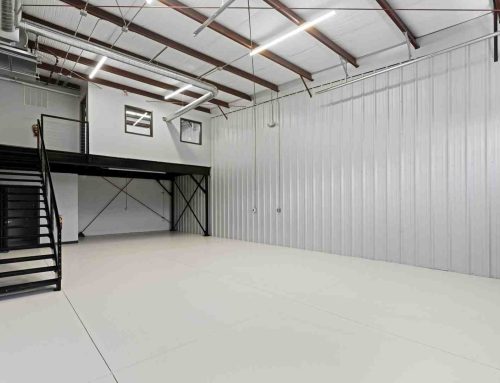
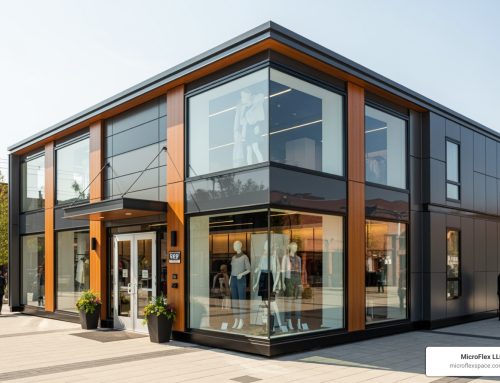
Size and layout matter more than you might think. A solo entrepreneur might thrive in a cozy 66 square foot space, while a small team needs room to breathe and collaborate. Consider your current needs, but also think about where you’ll be in six months. At MicroFlex™ LLC, we specialize in adaptable multi-function spaces that can grow with you – combining office, warehouse, storage, and even showroom features when your business needs evolve.
The real game-changer is lease flexibility. Traditional commercial leases can lock you in for years, but flexible terms give you the freedom to adapt as your business changes. This “easy in, easy out” approach has become essential for modern businesses. You can find more info about flexible office spaces to see how this approach can benefit your business.
Essential Amenities to Look For
Beyond four walls and a door, certain amenities can make or break your office experience. High-speed internet isn’t just nice to have – it’s absolutely essential. Nothing kills productivity like a spinning loading wheel during an important video call.
Meeting room access is another must-have, even if your private space is small. Having a professional conference room available for client presentations or team brainstorming sessions adds serious credibility to your business image.
Don’t overlook the simple comforts like kitchenette facilities. Being able to store your lunch, grab a coffee, or heat up a quick meal saves both time and money. Mail and package handling services provide that professional business address you need, while 24/7 secure access means you can work when inspiration strikes, not just during business hours.
On-site parking might seem basic, but try explaining to an important client why they need to circle the block three times to find a spot. Furnished options can save you thousands in upfront costs – no need to worry about desks, chairs, or filing cabinets when they’re already there waiting for you.
The Importance of Location
Where you set up shop can make or break your business success. Client convenience should be top of mind – can your customers find you easily? Are you accessible by major roads or public transit?
Think about your employee commute too. Happy employees often start with reasonable travel times to work. Consider traffic patterns, parking availability, and public transportation options.
Neighborhood safety and prestige directly impact your brand image. A well-maintained, reputable area gives clients confidence in your professionalism. Proximity to banks and restaurants might seem minor, but these daily conveniences add up to significant time savings and improved quality of life.
For businesses in Alabama, location strategy varies widely depending on your industry and client base. Whether you need busy downtown energy or peaceful suburban focus, the right location supports your business goals. Find our Birmingham location to see how strategic positioning can work for your business.
Understanding the Costs: What to Budget For
Let’s talk money – the part that makes your palms a little sweaty but is absolutely essential to get right. Understanding what you’ll actually pay for a small office for rent goes way beyond that advertised monthly rate. Think of it like buying a car: the sticker price is just the beginning.
Base rent forms the foundation of your costs. Most commercial spaces quote prices as $10-$40 per square foot annually, which can feel confusing at first. Here’s the simple math: take your office size (let’s say 200 square feet), multiply by the annual rate ($25 per square foot), and divide by 12. That 200 square foot office would cost about $417 per month in base rent.
But wait, there’s more! If you’re looking at traditional commercial leases, you’ll likely encounter Common Area Maintenance (CAM) fees. These cover your share of building expenses like property taxes, insurance, landscaping, and keeping those hallways clean. It’s basically your contribution to keeping the whole building running smoothly.
Utilities can either be your friend or your budget’s enemy, depending on how they’re handled. Some landlords include everything – electricity, heating, water – in one neat package. Others leave you to figure it out yourself, which can lead to surprise bills during those sweltering Alabama summers.
Don’t forget the security deposit, typically one to two months’ rent upfront. It’s like a safety net for your landlord, ensuring you’ll take good care of their space.
Furnishing costs can really add up if you’re starting from scratch. Desks, chairs, filing cabinets, and all those little office necessities can easily run into thousands of dollars. That’s why many smart business owners gravitate toward furnished options – less hassle, lower upfront investment.
Finally, business insurance is non-negotiable. While the building has its own coverage, you need protection for your equipment, liability, and business operations.
Here’s where flexible office solutions really shine. Instead of juggling multiple bills and unexpected expenses, everything gets bundled into one predictable monthly payment. No surprise CAM charges, no utility spikes, no furniture shopping marathons. Just simple, transparent pricing that lets you focus on growing your business instead of managing overhead costs.
Lease Agreements 101: Flexible vs. Traditional Terms
When you’re hunting for a small office for rent, understanding lease agreements can feel like decoding a secret language. But here’s the thing – it doesn’t have to be overwhelming. Think of it this way: you’re basically choosing between two different philosophies of doing business.
Traditional leases are like getting married – it’s a long-term commitment with lots of paperwork and expectations on both sides. Flexible leases? They’re more like dating – you can see how things go and adjust as needed.
| Feature | Flexible Lease (e.g., Serviced Offices, Co-working) | Traditional Lease (e.g., Direct Landlord Lease) |
|---|---|---|
| Term Length | Short-term (hourly, daily, monthly, few weeks to years) | Long-term (typically 3-10+ years) |
| Cost Structure | All-inclusive (rent, utilities, internet, cleaning, amenities) | Base Rent + CAM + Utilities + Other Fees |
| Scalability | Easy to scale up or down (add/remove desks, larger/smaller office) | Difficult to scale (requires new lease, sub-lease) |
| Included Amenities | Often comprehensive (reception, meeting rooms, kitchen, furniture) | Limited; often requires tenant to provide/pay for extras |
| Upfront Costs | Lower (minimal deposit, no build-out costs) | Higher (security deposit, build-out, furniture) |
| Commitment | Low | High |
| Customization | Limited (pre-designed spaces) | High (tenant can design/build out space) |
The beauty of flexible arrangements is that they adapt to your business rhythm. If you’re growing fast, you can expand your space without breaking any contracts. If you need to tighten your belt for a few months, you can downsize just as easily.
Traditional leases, on the other hand, offer stability and often better long-term pricing. But they also lock you in, which can be scary if your business is still finding its footing.
Decoding Your Commercial Lease
Every commercial lease is essentially your business’s rulebook for that space. Whether you choose flexible or traditional terms, certain key elements will shape your experience.
Term length is probably the most obvious difference. Flexible options might offer month-to-month arrangements or what we like to call “easy in/easy out” terms. Traditional leases typically span several years, which can feel daunting for newer businesses.
Renewal options determine whether you’ll have the right to extend your stay when your initial term ends. This is crucial if you fall in love with your space and want to keep growing there.
The termination clause outlines how either party can end the agreement early. Life happens, businesses change, and sometimes you need an exit strategy that won’t bankrupt you.
Rent escalation clauses spell out how and when your rent will increase. Some increase annually, others tie increases to economic indexes, and flexible arrangements often keep pricing more predictable.
Permitted use might seem obvious, but it’s worth understanding what activities you’re allowed to conduct in your space. This ensures your business type aligns with the property’s zoning requirements.
Subletting rights become important if you end up with more space than you need. Can you rent out part of your office to another business? Some leases allow it, others don’t.
For a deeper understanding of these elements, check out our Guide to understanding commercial leases.
The Pros and Cons of a flexible small office for rent
We’ve seen countless businesses thrive with flexible office solutions, especially startups and companies with changing needs. But like everything in business, there are trade-offs to consider.
The agility factor is huge. When your business needs change – and they will – flexible terms let you pivot quickly. Need more space for new hires? Want to downsize during a slow season? You can adjust without the headache of renegotiating major contracts.
Lower upfront investment is often a game-changer for growing businesses. Instead of dropping thousands on furniture, build-outs, and deposits, you can focus your capital on what really matters – growing your business. Many flexible spaces come furnished and ready to go.
All-inclusive pricing simplifies your life tremendously. One predictable monthly payment covers your rent, utilities, internet, cleaning, and often reception services. No surprise bills, no juggling multiple vendors.
Scalability might be the biggest advantage for dynamic businesses. Whether you need to add a single desk or an entire private office, flexible providers make it straightforward to match your workspace to your team size.
For startups specifically, flexible small office for rent options offer the perfect entry point. No massive credit checks, no long-term commitments you can’t afford, and no huge upfront costs. You can focus on building your business instead of managing real estate headaches.
The downsides? Less customization is the most obvious. While you might have some say in furniture and layout, you won’t have the same control as you would with a traditional lease where you build out the space yourself.
Potentially higher long-term costs can add up if you stay in a flexible arrangement for many years. The monthly rate might exceed what you’d pay with a very long-term traditional lease. But for most growing businesses, the trade-off for flexibility and convenience is worth every penny.
The key is matching your lease type to your business stage and growth plans. If you value flexibility over customization and prefer predictable costs over long-term savings, a flexible arrangement might be perfect for your small office for rent needs.
How to Find and Secure Your Perfect Space
The hunt for your ideal small office for rent doesn’t have to feel like searching for a needle in a haystack. With the right approach and a bit of patience, you’ll find a space that feels just right for your business. Think of it as matchmaking – you’re looking for that perfect partnership between your needs and what’s available.

Your search strategy should cast a wide net while staying focused on your specific needs. Online commercial real estate platforms like LoopNet and CommercialCafe are fantastic starting points – they’re like the Google of commercial real estate. You can filter by size, price, and location, making it easy to narrow down your options from the comfort of your current workspace.
Don’t overlook the power of commercial real estate brokers. These professionals eat, sleep, and breathe commercial properties. They often know about spaces before they hit the public market and can negotiate on your behalf. Plus, their services typically don’t cost you anything directly – they’re usually paid by the property owner.
Direct outreach to business centers can be surprisingly effective. Many flexible office providers manage their own spaces and appreciate when potential tenants reach out directly. This approach often gives you access to spaces that aren’t widely advertised and lets you build a relationship with the people who’ll be managing your workspace.
Local business networking might seem old-school, but it’s golden. Chamber of commerce events, industry meetups, and even casual conversations with other business owners can uncover hidden gems. Someone might be looking to share their space or know about an upcoming vacancy that hasn’t been listed yet.
Key questions to ask before signing for a small office for rent
Before you shake hands and sign on the dotted line, arm yourself with the right questions. A good landlord or office provider will appreciate your thoroughness – it shows you’re serious and professional.
What are the total monthly costs? This is your financial foundation, so get everything in black and white. Ask for an itemized breakdown that includes rent, utilities, internet, cleaning, and any additional fees. Some providers offer truly all-inclusive pricing, while others might have surprise add-ons that can bust your budget.
What amenities are included? Confirm access to high-speed internet, meeting rooms, kitchenettes, mail services, and parking. These details might seem small now, but they become huge when you need them. Also ask about 24/7 secure access – your best ideas don’t always come during business hours.
What is the lease term flexibility? This is especially important for growing businesses. Can you go month-to-month if needed? What’s the process for scaling up or down? Understanding the notice period for termination gives you peace of mind and planning flexibility.
What are the parking arrangements? Nothing frustrates clients like circling the block looking for parking. Find out if there’s dedicated parking for you and your visitors, and whether it’s included in your rent or an additional cost.
What are the customization rules? Even in a small office for rent, you’ll want to make the space feel like yours. Can you hang artwork, add your company logo, or rearrange furniture? Understanding these boundaries upfront prevents disappointment later.
What are the security measures in place? Ask about building security, CCTV coverage, and how they handle after-hours access. Your business equipment and confidential information deserve protection.
Taking the time to ask these questions shows you’re a thoughtful tenant and helps ensure your new office space will truly support your business goals. The right space isn’t just about square footage – it’s about finding a place where your business can thrive.
Conclusion: Your Next Chapter Starts Here
Finding the right small office for rent isn’t just about getting four walls and a desk – it’s about making a strategic investment that can transform how your business operates and grows. Think of it as laying the professional foundation that will support all your future success.
Throughout this journey, we’ve explored how a dedicated workspace can boost your credibility, improve your work-life balance, and give you the flexibility to scale as your business evolves. Whether you started this search as a solo entrepreneur working from your kitchen table or a small team ready to take that next big step, the right office space can be a game-changer.
The beauty of today’s flexible office market is that you don’t have to choose between professional space and financial flexibility. With options ranging from $195 to $539 per month for private offices, or even virtual office solutions starting at just $85 monthly, there’s truly something for every business stage and budget.
At MicroFlex™ LLC, we understand that your business doesn’t fit into a standard box – and neither should your workspace. That’s why we specialize in adaptable multi-function spaces that can seamlessly combine office, warehouse, storage, and showroom features all under one roof. Whether you’re a Birmingham startup needing a professional address, a growing business requiring flexible expansion options, or a hobbyist seeking that perfect creative workspace, we’re here to help you find your ideal fit.
Your business’s next chapter is waiting, and it starts with finding the right space to call home. The professional foundation you build today will support the growth and success you’re working toward tomorrow.