


Why the Way We Work Has Changed Forever
Flexible workspace solutions are on-demand office environments with short-term lease terms and adaptable configurations. Here’s what you need to know:
- What they are: Professional workspaces accessible daily, monthly, or annually without long-term commitments.
- Key types: Coworking spaces, private offices, serviced offices, virtual offices, and multi-use properties.
- Main benefits: Significant cost savings, faster scalability, better work-life balance, and improved collaboration.
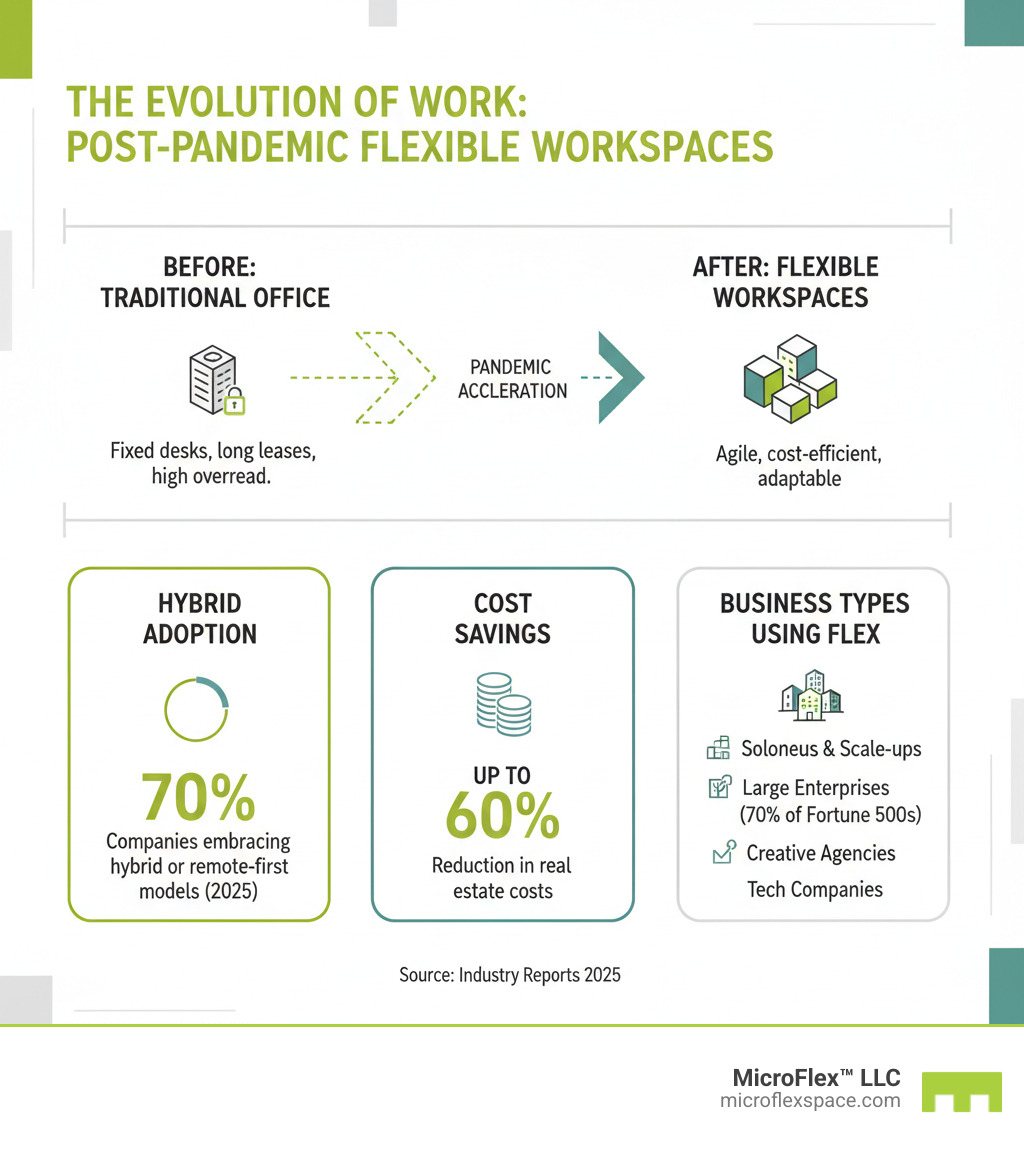
- Who uses them: 70% of companies, from solopreneurs to Fortune 500 firms, now use flexible workspaces.
The traditional 10-year lease is losing ground. The pandemic accelerated a shift toward agility, with businesses demanding spaces that can grow or shrink with their needs. Rigid leases and expensive build-outs don’t work for distributed teams, unpredictable growth, or businesses needing both office and storage space under one roof.
While remote work offered freedom, it also led to burnout and isolation. Companies realized that culture, collaboration, and focused work often require a physical space. Flexible workspaces bridge this gap, offering a professional environment without the cost and commitment of traditional real estate.
I’m Chase Carroll, and for over 12 years, I’ve developed real estate projects, now focusing on expanding Flexible workspace solutions through MicroFlex developments. I’ve seen how adaptable spaces open up growth for businesses tired of being constrained by rigid property options.
What Are Flexible Workspaces & How Do They Differ from Traditional Offices?
The pandemic rewired how we think about work, solidifying the hybrid model. While remote work is common, companies still need physical spaces for culture, collaboration, and focused work. This is where flexible workspace solutions have become a strategic necessity for businesses needing agility without the burden of long-term leases.
Defining Flexible Workspace Solutions
A flex space is the opposite of a traditional lease. Instead of a 10-year contract and costly build-outs, you get a professional environment that’s ready from day one, with furniture, internet, and amenities included. What began as hubs for freelancers is now a core strategy for 70% of companies, including Fortune 500 firms. The appeal is simplicity: you rent space by the day, month, or year, and everything is included in one fee. For more details, our Small Office Solutions Ultimate Guide explains how to maximize your space.
Key Types of Flexible Workspaces
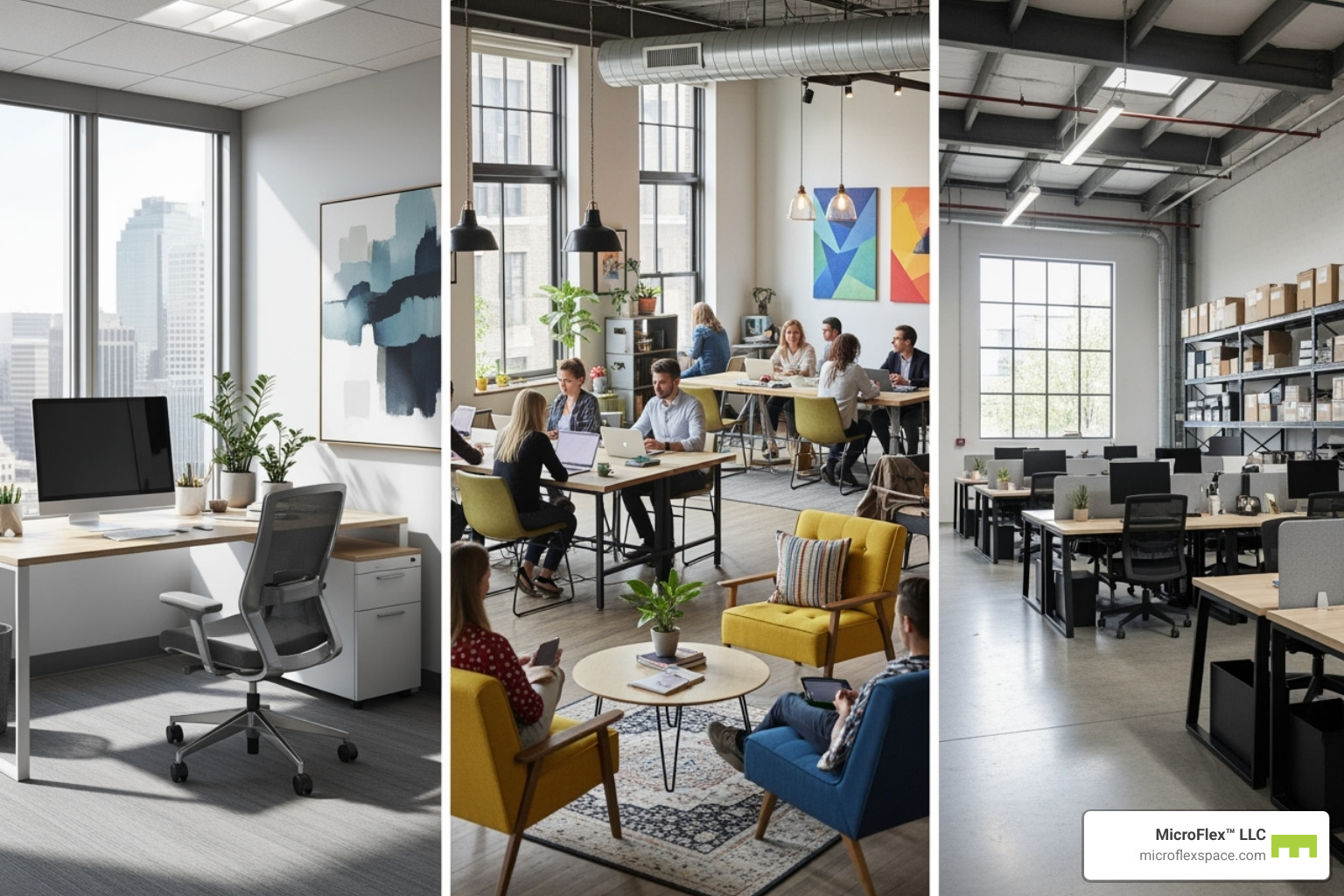
The power of flexible workspace solutions lies in their diversity:
- Coworking spaces: Shared, open-plan environments that foster community and networking.
- Dedicated desks: Your own assigned workstation in a shared, collaborative space.
- Private offices: Lockable, furnished offices within a larger facility, offering privacy with access to shared amenities. Our Managed Office Spaces are turnkey solutions ready when you are.
- Serviced offices: An all-inclusive package bundling space, furniture, utilities, and support into one monthly fee.
- Virtual offices: A professional business address and mail handling service with on-demand access to meeting rooms.
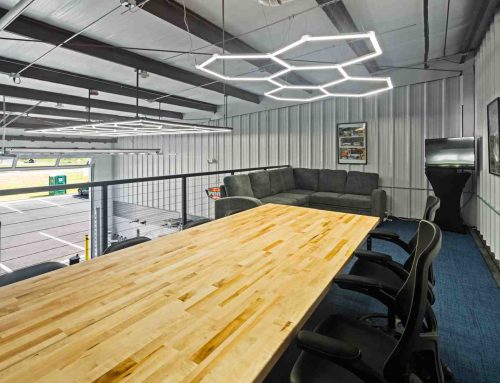
- Warehouse-office hybrids: A game-changing model for product-based businesses, combining warehouse capabilities with professional office areas. See how it works in our Warehouse Office Space for Rent.
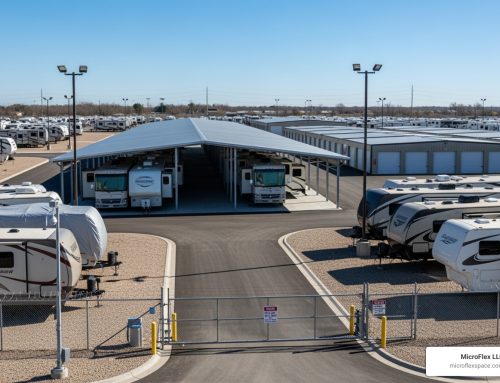
- Multi-use commercial properties: The most versatile option, accommodating everything from light manufacturing to creative projects. Explore the possibilities with a Multi-Use Commercial Property.
Flexible vs. Traditional: A Head-to-Head Comparison
The difference is like renting a fully furnished apartment versus buying a house that needs a complete renovation.
- Lease terms: Flexible spaces offer month-to-month or short-term agreements, while traditional offices lock you into 3-10+ year commitments.
- Cost structure: Flex spaces use a single, predictable operational fee. Traditional offices require large upfront capital plus unpredictable ongoing service bills.
- Scalability: Effortlessly scale up or down in a flexible environment. In a traditional office, expansion is costly and downsizing means paying for empty space.
- Layout: Flexible workspaces offer a mix of collaborative and private zones. Traditional layouts are fixed and expensive to change.
- Amenities: Flex spaces come with everything included, from furniture and Wi-Fi to coffee. Traditional offices are empty shells you must furnish and service yourself.
- Management: The provider handles all facility management in a flex space. In a traditional office, it’s all on you.
For a deeper dive into leases, see our Commercial Leasing Space Complete Guide.
The Core Benefits of Adopting Flexible Workspace Solutions
The shift to flexible workspace solutions is a smart business decision that improves your bottom line, team happiness, and competitive edge. The advantages impact everything from finance and culture to talent retention.

Financial Agility and Significant Cost Savings
Traditional office leases drain resources with upfront costs for build-outs, furniture, and IT, followed by a stream of bills. Flexible workspace solutions change this by rolling rent, utilities, internet, furniture, and amenities into one predictable monthly payment. This operational expense model, with no surprise costs, can save companies up to 60% on real estate. That’s capital you can reinvest in growth. The pay-as-you-go model is perfect for testing new markets or managing seasonal demand, as our Short-Term Business Lease options demonstrate.
Enhancing Employee Well-being and Work-Life Balance
The work-from-home model can lead to burnout by blurring the lines between work and personal life. Remote work burnout is real, driven by isolation and a lack of separation. Flexible workspace solutions provide a professional third space that isn’t home. This allows employees to focus without domestic distractions, enjoy ergonomic setups, and mentally disconnect at the end of the day. This physical separation is crucial for mental health and stress reduction. Our Office Space for Remote Workers is designed to give distributed teams a productive and healthy environment.
Boosting Culture and Collaboration for Hybrid Teams
Building a strong culture with a distributed team is challenging. Video calls can’t replace the spontaneous brainstorming and connection that happens in person. Flexible workspace solutions are designed to bring teams together purposefully. They offer professional meeting rooms and collaborative zones that foster creativity and strengthen relationships. When your team gathers in a space designed for interaction, the quality of work improves and your culture thrives. These spaces become gathering places where your company culture comes alive, as we’ve seen in our Creative Workspace Birmingham locations.
How to Implement and Manage a Flexible Workspace Strategy
Adopting flexible workspace solutions requires a thoughtful strategy that aligns with your business goals. The key is to clarify what problem you’re solving, whether it’s supporting a remote team, entering a new market, or finding a space that handles both office work and inventory. For more guidance, explore our Dynamic Workplace Solutions.
Step 1: Assess Your Team’s Unique Needs
Don’t guess what your team needs—ask them. Use surveys and focus groups to understand their work styles and preferences. Do they need quiet zones for deep focus or collaborative areas for brainstorming? Are they struggling with distractions at home? Also, consider location preferences to reduce commute times for a distributed team. Finally, define your space requirements beyond desks. Do you need client-facing meeting rooms, creative studios, or a mix of office and storage space? This is crucial when planning for Business Expansion Space.
Step 2: Choose the Right Provider and Space
Once you know your needs, evaluate potential providers on several key factors:
- Location: Choose accessible locations that are convenient for your team and clients. MicroFlex™ LLC has strategic locations in Birmingham (Irondale and Hoover), Huntsville, and Auburn Opelika.
- Amenities: Look beyond the basics. Ensure they have professional meeting rooms, private phone booths, and other features your team needs to be productive.
- Lease Terms: Confirm the provider offers terms that match your business needs, from daily passes to short-term annual agreements. Our Flexible Leasing Spaces are designed to adapt with you.
- Technology: Verify they offer reliable, high-speed internet and adequate IT support.
- Community: If collaboration is a priority, look for a space that fosters a strong community culture.
- Security: Ensure robust physical and data security measures are in place.
Most importantly, visit spaces in person. A tour reveals the true atmosphere and functionality of a space. We invite you to tour our MicroFlex™ LLC Locations Microflex to see our multi-functional spaces firsthand.
Step 3: Define Policies, Budgets, and Management
To ensure your strategy succeeds, establish clear systems. Create usage guidelines so everyone knows how to use the spaces fairly. Implement a simple booking system for shared resources like meeting rooms. Define your budget clearly—will the company cover all costs, or is there a co-pay model? Finally, continuously monitor usage and gather feedback. Ask your team what’s working and what isn’t. Use this data to adjust your strategy, ensuring your workspace evolves with your business. Our Adaptable Business Solutions are built on this principle of continuous improvement.
The Future of Work: Emerging Trends in Flexible Spaces
The evolution of flexible workspace solutions is accelerating, blending cutting-edge technology with a focus on human well-being in spaces that are more adaptable than ever.

Technology-Driven and Hyper-Personalized Environments
The next generation of flexible workspaces is hyper-personalized. AI and the Internet of Things (IoT) are creating environments that adapt to individual preferences for lighting, temperature, and desk height. Smart systems optimize space by analyzing work patterns and managing real-time availability of desks and meeting rooms. This technology enables adaptable architecture, where spaces can be reconfigured without major construction. Our Modular Office Space options embody this principle, allowing your environment to evolve with your business.
A Focus on Sustainability and Employee Wellness
Future workspaces are kinder to both people and the planet. Sustainability is now a core feature, with providers embracing energy-efficient lighting, waste reduction programs, and green building materials. This commitment resonates with employees who value environmental responsibility. Simultaneously, wellness-centric design is becoming standard. This includes maximizing natural light, providing ergonomic furniture, and incorporating biophilic design (natural elements like plants) to reduce stress and boost creativity. Dedicated wellness zones for meditation or fitness further underscore that employee well-being is as important as productivity.
The Rise of Niche and Multi-Functional Flexible workspace solutions
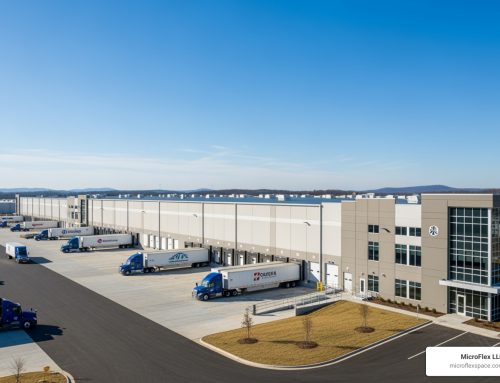
As businesses specialize, so do their workspace needs. We’re seeing the rise of industry-specific hubs for creative, tech, or light manufacturing businesses. The most significant trend is the move toward multi-functional spaces that blend different capabilities. This is the core of the MicroFlex™ LLC model. We recognize that an e-commerce business, for example, needs inventory storage, an office for operations, and a showroom for content creation. Leasing three separate spaces is inefficient. Our Flexible Industrial Space combines these functions into one adaptable property. By Unlocking Potential Multi-Use Commercial Properties, we serve the diverse needs of modern businesses, hobbyists, and entrepreneurs who don’t fit into traditional real estate boxes.
Frequently Asked Questions about Flexible Workspaces
Making the shift to flexible workspace solutions is a big decision. Here are answers to the most common questions we get at MicroFlex™ LLC.
How much can a business really save with a flexible workspace?
Businesses can reduce real estate costs by up to 60%. Traditional leases involve high upfront capital for build-outs and furniture, plus separate, unpredictable bills for services. Flexible workspaces bundle everything—rent, utilities, internet, furniture, and amenities—into a single, predictable monthly operational expense. This frees up cash flow for core business activities like hiring and product development.
Are flexible workspaces only for startups and freelancers?
This is a common misconception. While they started as hubs for freelancers, today 70% of all companies, including Fortune 500 enterprises, use flexible workspace solutions. Businesses of all sizes leverage them to support hybrid teams, enter new markets with low risk, and maintain the agility needed to scale operations up or down quickly. We serve everyone from solo entrepreneurs to established businesses needing multi-functional spaces.
What’s the difference between coworking and a serviced office?
Both are types of flexible workspace solutions, but they serve different needs.
- Coworking spaces are shared, community-focused environments with open-plan areas and hot desks. They are ideal for networking and individuals or teams who thrive on collaborative energy.
- Serviced offices provide a private, lockable, fully-equipped office within a managed facility. This is perfect for teams needing privacy and a quiet, focused environment while still enjoying shared amenities and support services.
Conclusion
The way we work has changed for good. Businesses today need agility, and flexible workspace solutions provide the path forward by cutting costs, improving work-life balance, and strengthening company culture. They offer a smarter alternative to the rigid, expensive traditional lease.
At MicroFlex™ LLC, we understand that modern businesses have unique needs. That’s why our adaptable multi-function spaces across Birmingham (Irondale and Hoover), Huntsville, and Auburn Opelika are designed to combine office, warehouse, storage, and showroom capabilities. We provide the foundation for sustainable growth in an environment where your team can thrive.
The future belongs to businesses that can adapt. Flexible workspace solutions are the key.
Ready to explore what’s possible? Explore our Business Rental Solutions and let’s build something great together.