


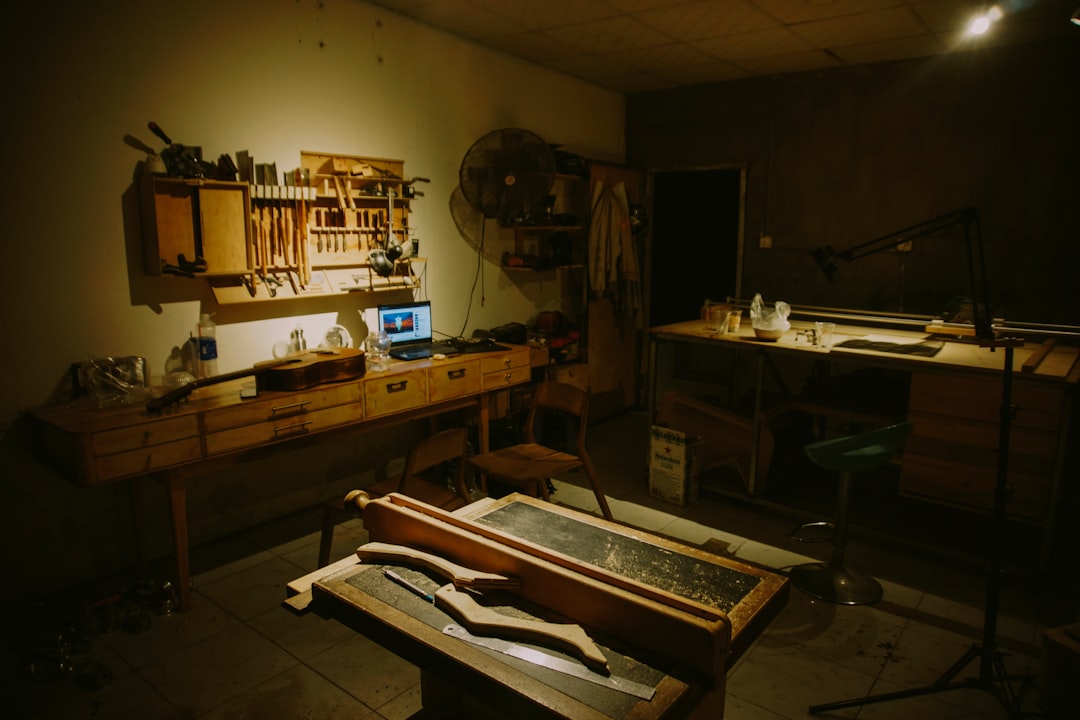
Why a Furniture Restoration Studio Matters More Than Ever
A furniture restoration studio is a workshop where skilled artisans repair, refinish, and revitalize damaged furniture. These studios help clients preserve heirlooms, update vintage finds, and reduce environmental waste by offering services like:
- Structural Repairs: Fixing loose joints, broken frames, and damaged components.
- Refinishing: Stripping old finishes and applying new stains, paints, or protective coats.
- Reupholstery: Replacing worn fabric, padding, and springs.
- Custom Modifications: Adapting antique pieces for modern use.
- Specialized Techniques: French polishing, caning, gold-leafing, and wood carving repair.
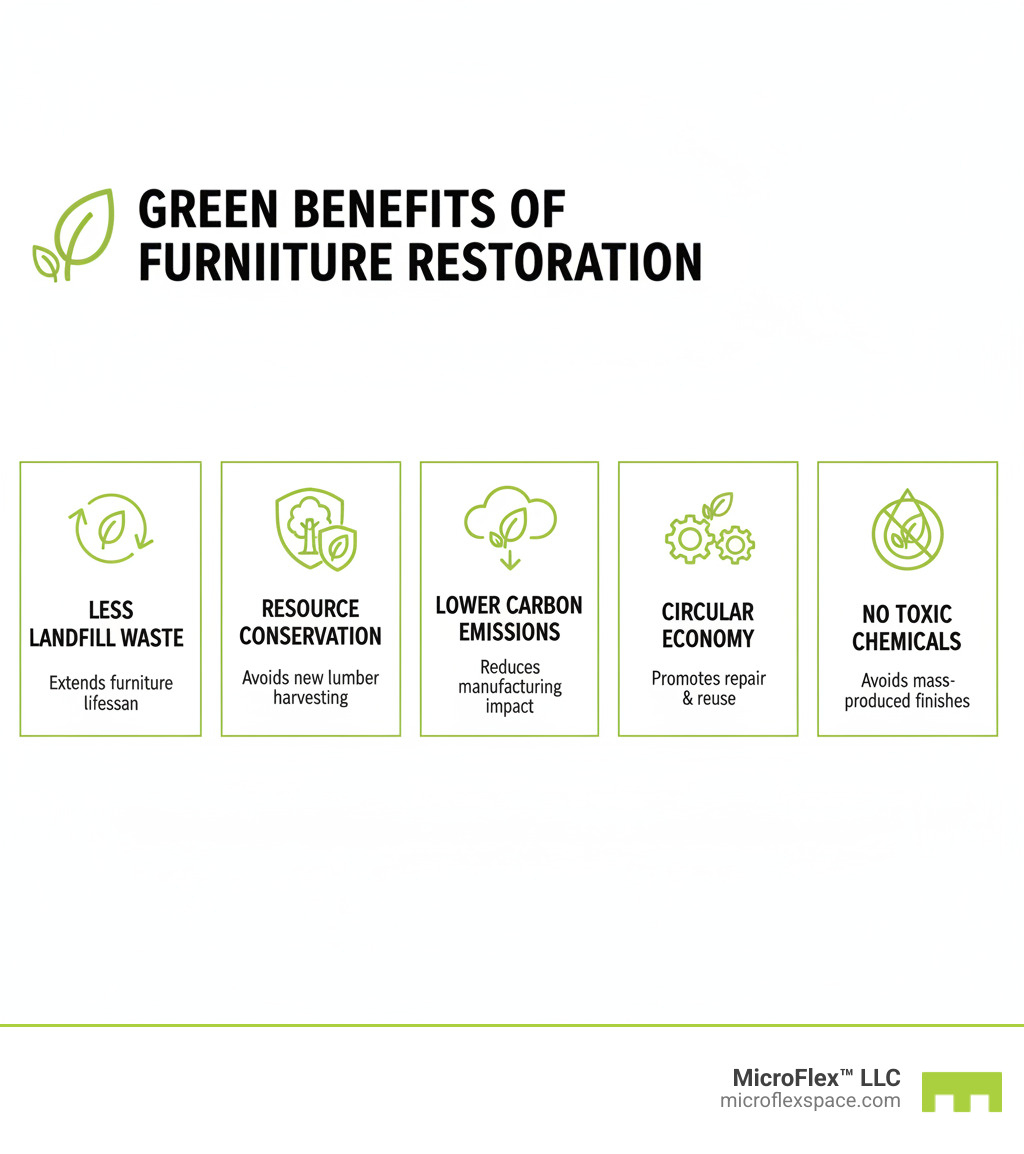
The restoration market is growing as more people value sustainability. Restoring furniture keeps it from landfills, conserves resources, and reduces the carbon footprint of manufacturing. Many studios have operated for decades, building trust and earning repeat business through quality craftsmanship.
Whitney from Atelier WMG in Montreal captured this sentiment on CBC Radio, sharing her passion for “finding furniture that looks like it’s on its last legs and giving it a new life.” Her story reflects a core belief among restorers: every piece has a story worth preserving.
Listen here! Whitney and Atelier WMG was recently featured on CBC radio one Montreal on All in a Weekend with Sonali Karnick!Listen here!
Whether restoring an antique table or a mid-century desk, a furniture restoration studio can bring your vision to life while honoring the past.
I’m Sam Zoldock. My expertise is in commercial real estate in Alabama, where I’ve helped many small business owners—including furniture restorers—find affordable, flexible spaces for their craft. Understanding their needs helps me better serve this creative community.
The Art of Revival: What Services Do Restoration Studios Offer?
When you step into a furniture restoration studio, you’re entering a workshop where skilled craftspeople transform tired pieces into treasures. Whether you have a family heirloom or a vintage find, there’s a restoration technique to bring it back to life.
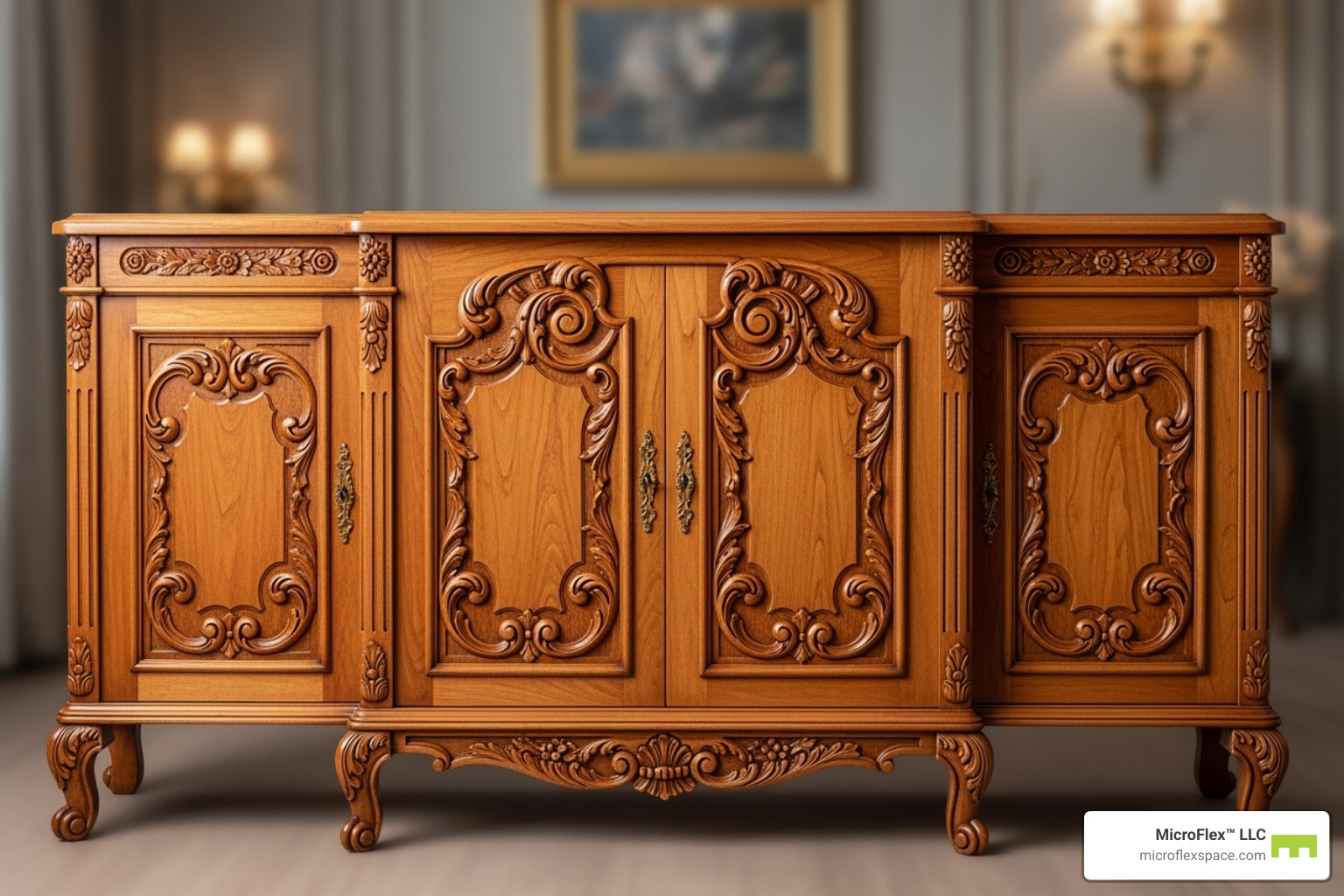
Common Services at a Professional Furniture Restoration Studio
- Structural Repairs: The foundation of any restoration, this involves fixing loose joints, reinforcing frames, and mending broken parts to ensure the piece is stable and sound.
- Refinishing and Stripping: To address scratches, water rings, or outdated finishes, studios carefully remove old varnishes or paints and apply new ones. This can restore the wood’s natural beauty or give it a fresh look, a specialty of studios like Second Life.
- Reupholstery and Fabric Selection: Worn fabric, flattened padding, and old springs are replaced with fresh materials. This service, expertly handled by teams like Brooklyn Workroom, updates a piece’s style while keeping its solid frame.
- Custom Modifications: Old furniture can be adapted for modern life. Studios can convert an antique armoire to house a TV or turn a vintage dresser into a bathroom vanity, making the piece functional for today’s needs.
- Antique Conservation: Unlike standard restoration, conservation focuses on preserving original materials and the natural patina of age. This approach, used by institutions like The Grabar Art Conservation Center, is crucial for maintaining the historical and monetary value of valuable antiques.
If you’re an artisan looking to grow your restoration business, finding the right workspace matters. Our guide on creative workspaces explores what makes an ideal environment for detailed craft work.
Specialized Restoration Techniques
Many studios offer advanced techniques that require years of mastery:
- French Polishing: A painstaking process of applying thin layers of shellac by hand to create a deep, glowing finish on fine antiques.
- Danish Oil Finishes: Ideal for mid-century modern pieces, this finish improves wood grain with a natural, durable look.
- Caning and Seat Weaving: Delicate, precise work that restores woven chair seats to their original beauty.
- Wood Carving Repair: An artistic skill that involves matching and recreating intricate carved details from past eras.
- Gold-Leafing: The application of thin gold sheets to add a luxurious touch to ornate frames and decorative elements.
- Paint and Stain Matching: Ensures that repairs blend seamlessly with the original finish.
These specialized services distinguish true restoration studios, enabling them to handle nearly any challenge a piece might present.
The Restoration Journey: From Worn-Out to Wonderful
Sending a piece to a furniture restoration studio is the start of a journey to revive its beauty and continue its legacy. The process is a blend of art and science, requiring skill, patience, and respect for the item’s history.
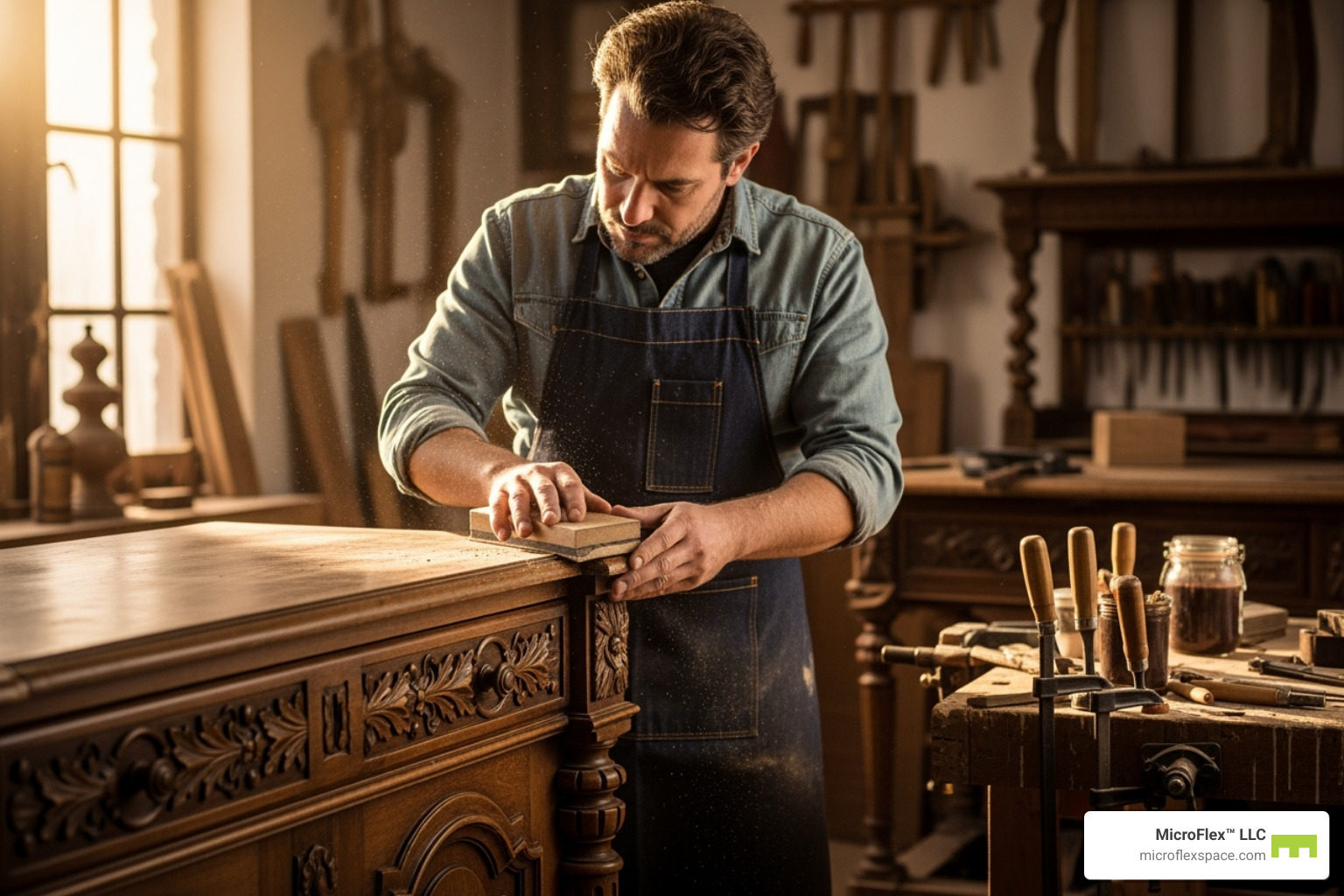
The Step-by-Step Antique Restoration Process
- Initial Assessment: A restorer examines the piece to identify wood type, construction, and all damage. This evaluation, which for complex items may involve developing custom methodologies like at The Grabar Art Conservation Center, ensures a thorough plan.
- Structural Repair: This is always the first step. Loose joints are reglued, broken parts are mended, and weak areas are reinforced to make the piece structurally sound.
- Stripping and Surface Preparation: Old, damaged finishes are carefully removed using gentle methods to prepare a clean surface while preserving the original wood.
- Staining and Finishing: New stains, paints, or polishes are applied, often matching original colors or using traditional techniques like French polishing to suit the piece’s period and style.
- Preserving the Patina: A good studio knows how to retain the natural character and sheen that wood develops over time, ensuring the piece keeps its historical charm.
Turnaround time varies from a week for simple repairs to several months for full restorations, depending on complexity and the studio’s backlog. The high level of craftsmanship is evident in projects like Second Life’s contribution to the Harvard University video, “Putting the Glass Flowers in New Light.”
See our work in the Harvard University video”Putting the Glass Flowers in New Light” See our work in the Harvard University video”Putting the Glass Flowers in New Light”
Preparing Your Piece for a Furniture Restoration Studio
A little preparation helps ensure the best results:
- Take clear photos: Capture the piece from all angles, including close-ups of damage and details. These serve as valuable reference points.
- List all known issues: Note every wobbly leg, scratch, or missing part. More detail upfront leads to a more accurate quote.
- Define your desired outcome: Be specific about whether you want a complete change or a preservation of original character.
- Discuss sentimental value: Let the studio know if the piece is an irreplaceable heirloom. This ensures it will be handled with extra care.
If you need a safe place to store other items while your cherished piece undergoes its change, consider exploring our guide to short-term business storage.
Finding the Right Local Studio for Your Project
Choosing the right furniture restoration studio is an investment, so you want to ensure your treasured pieces are in capable hands. With some research, you can find a studio that will treat your furniture with the care it deserves.
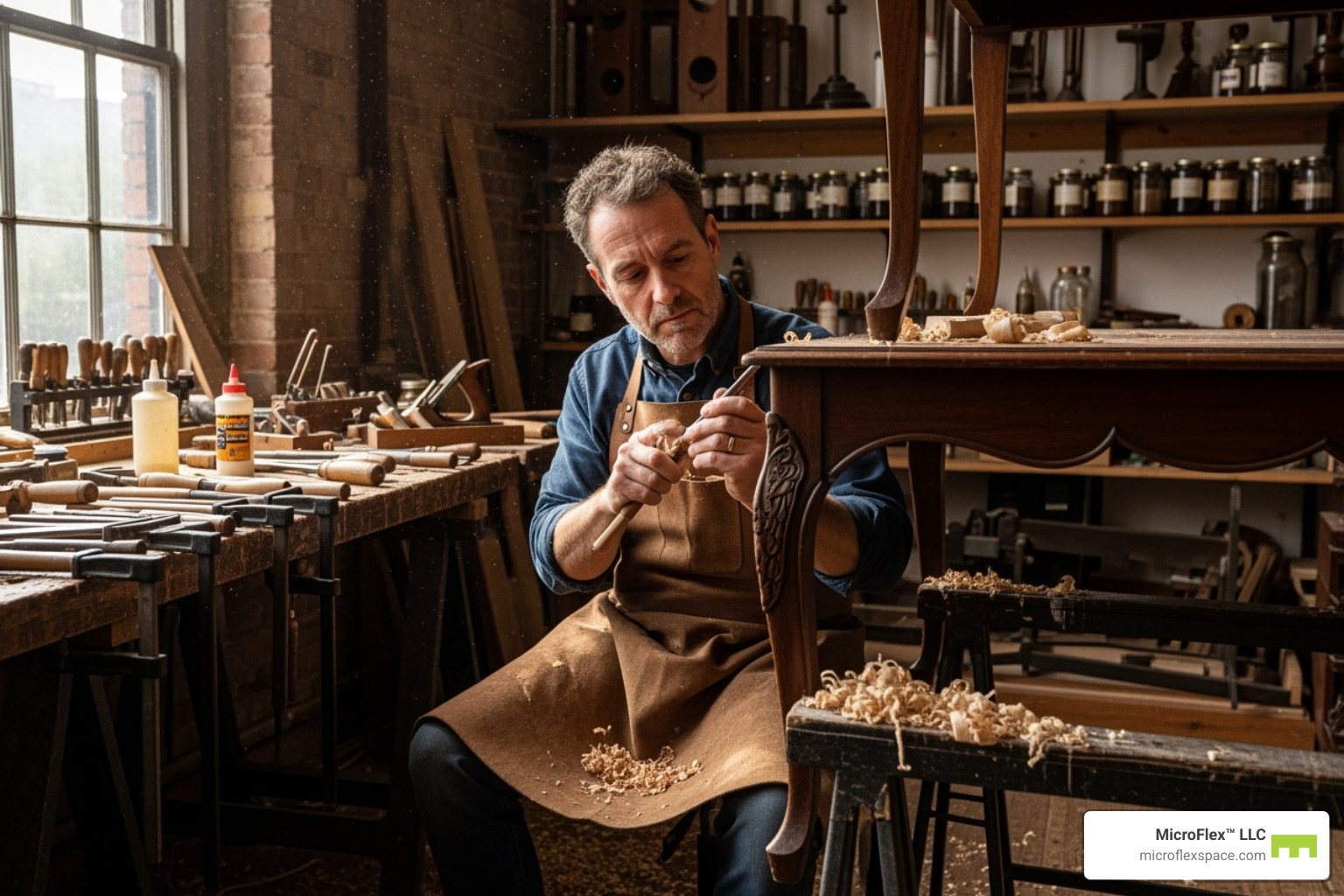
What to Look For in a Restorer
- Experience and Specialization: Look for longevity and a focus that matches your piece. Studios like Colonial Restoration Studio (four generations) and the Grabar Art Conservation Center (since 1960) signal reliability. Ensure their specialization, like 3 restorers’ expertise in Mid Century Modern, aligns with your furniture’s style.
- Portfolios and Testimonials: Check for positive reviews and examples of past work. Studios like ElleRose Studio and Brooklyn Workroom display their projects online, and a high rate of repeat clients, as noted by Restorers Without Borders, is a strong sign of quality.
- Clear Communication: The best restorers keep you informed throughout the process. Clients of ElleRose Studio praise their “great communication,” which is essential for a smooth experience.
- Passion for the Craft: A restorer who loves their work, like Whitney of Atelier WMG, will pour their heart into your project, and it shows in the results.
Choosing a local studio simplifies transportation, allows for direct communication, and supports local artisans. For those in Alabama, we offer resources to find a small warehouse for rent in Birmingham AL that might house such craftspeople.
Key Questions to Ask Before Hiring
Once you’ve narrowed your choices, ask these questions to make an informed decision:
- What is your experience with this specific type of furniture, period, or damage?
- Can you provide a detailed quote outlining all labor and material costs?
- What is the estimated turnaround time for this project?
- How do you handle unexpected issues that arise during restoration?
- Do you have insurance that covers client pieces while in your care?
- Can I see examples of your past work in a portfolio or in person?
- What materials and techniques will you use, and why are they appropriate?
- Do you offer on-site consultations or repairs if needed?
Asking these questions helps you partner with the right artisan to preserve your piece of history.
Budgeting for Beauty: What Influences Restoration Costs?
Understanding the cost of working with a furniture restoration studio is crucial. The price isn’t one-size-fits-all; it reflects the unique needs of each piece.

What Factors Influence the Cost of Furniture Restoration Services?
Several factors determine the final quote:
- Size and Complexity: A small, simple nightstand will cost less to restore than a large, ornately carved armoire. More intricate pieces require more hours of skilled handwork.
- Extent of Damage: A simple refinish is less expensive than a piece needing extensive structural repairs, veneer replacement, and stain removal. Labor-intensive fixes like regluing joints increase the cost.
- Materials Required: Standard supplies are affordable, but costs rise with the need for specific hardwoods, high-end upholstery fabric, gold leaf, or other specialized materials used by studios like Lanciano Furniture to maintain authenticity.
- Artisan’s Skill and Expertise: Highly trained restorers with decades of experience command higher rates. Their ability to handle complex challenges and work with historical accuracy is a premium service.
- Type of Restoration: A basic refinish is more affordable than full antique conservation or complex reupholstery projects involving hand-tied springs.
It’s also important to weigh sentimental value versus market value. The cost may exceed the piece’s market price, but for a cherished heirloom, the emotional connection makes the investment worthwhile. Studios like Second Life focus on these “valued items you would like to keep forever.”
Always request a detailed quote that breaks down labor, materials, and other services. For restoration businesses managing their own costs, our flexible business rental solutions offer adaptable and affordable workspaces.
Frequently Asked Questions about Furniture Restoration
Considering furniture restoration? Here are answers to some of the most common questions.
How does furniture restoration contribute to sustainability?
Furniture restoration is a powerful act of sustainability. Instead of buying new, you:
- Reduce Landfill Waste: Every restored piece is one less item in a landfill.
- Conserve Natural Resources: Restoration avoids the need for new timber, metals, and energy required for manufacturing.
- Promote a Circular Economy: It keeps valuable products in use, a core principle of the circular economy that studios like Lanciano Furniture and Atelier WMG champion.
- Create a Healthier Home: Restored furniture often avoids the volatile organic compounds (VOCs) found in many mass-produced items, improving indoor air quality.
What skills are required for a furniture restoration professional?
A skilled restorer combines artistry, technical expertise, and patience. Key skills include:
- Woodworking and Joinery: Deep knowledge of wood species and construction techniques like dovetails and mortise-and-tenon joints.
- Finishing Techniques: Mastery of French polishing, lacquering, staining, and oil finishes.
- Upholstery: Skills in pattern making, sewing, and working with springs and padding, exemplified by the detailed work at Brooklyn Workroom.
- Knowledge of Period Styles: Understanding historical construction and aesthetics is vital for authentic restoration, a strength of teams like 3 restorers.
- Attention to Detail and Problem-Solving: The ability to repair intricate carvings, match veneers, and adapt to each piece’s unique challenges, as demonstrated by the custom methodologies at The Grabar Art Conservation Center.
What is the typical turnaround time for a project?
There’s no single answer, as the timeline depends entirely on the project.
- Simple repairs (like a loose leg) may take only a week.
- A full refinish on a single piece might take two to four weeks.
- Complex restorations involving structural overhauls or detailed reupholstery can take several weeks or even months.
Factors influencing the timeline include the extent of damage, the complexity of the work, the studio’s current backlog (popular studios like ElleRose Studio can be booked months in advance), and the time needed to source specialized materials. A reputable furniture restoration studio will provide a realistic estimate upfront.
What are some common challenges faced in furniture restoration and how are they overcome?
Restoration is rewarding but presents unique challenges that professionals are equipped to handle:
- Hidden Damage: What seems like a cosmetic issue can hide rot, insect damage, or structural failure. Restorers overcome this with thorough assessments and clear communication with the client if new issues are found.
- Identifying Original Materials: It can be difficult to determine original wood types and finishes under layers of old paint or age. Experts use their knowledge of period styles and sometimes scientific analysis to identify them.
- Sourcing Period-Appropriate Parts: Finding the right hardware or wood for an antique is a hurdle. Studios maintain networks of suppliers or custom-fabricate parts.
- Balancing Preservation and Functionality: For antiques, the goal is to make a piece usable without destroying its historical patina and value. Skilled restorers, like those at Lanciano Furniture and Restorers Without Borders, excel at this delicate balance.
Conclusion: Preserving History and Starting Your Own Legacy
Choosing to work with a furniture restoration studio is about more than just repairs. It’s a choice for sustainability over disposability, a way to support skilled artisans, and an opportunity to preserve a piece of history. By giving an old table or chair a new life, you honor its past while making it part of your own story for generations to come.
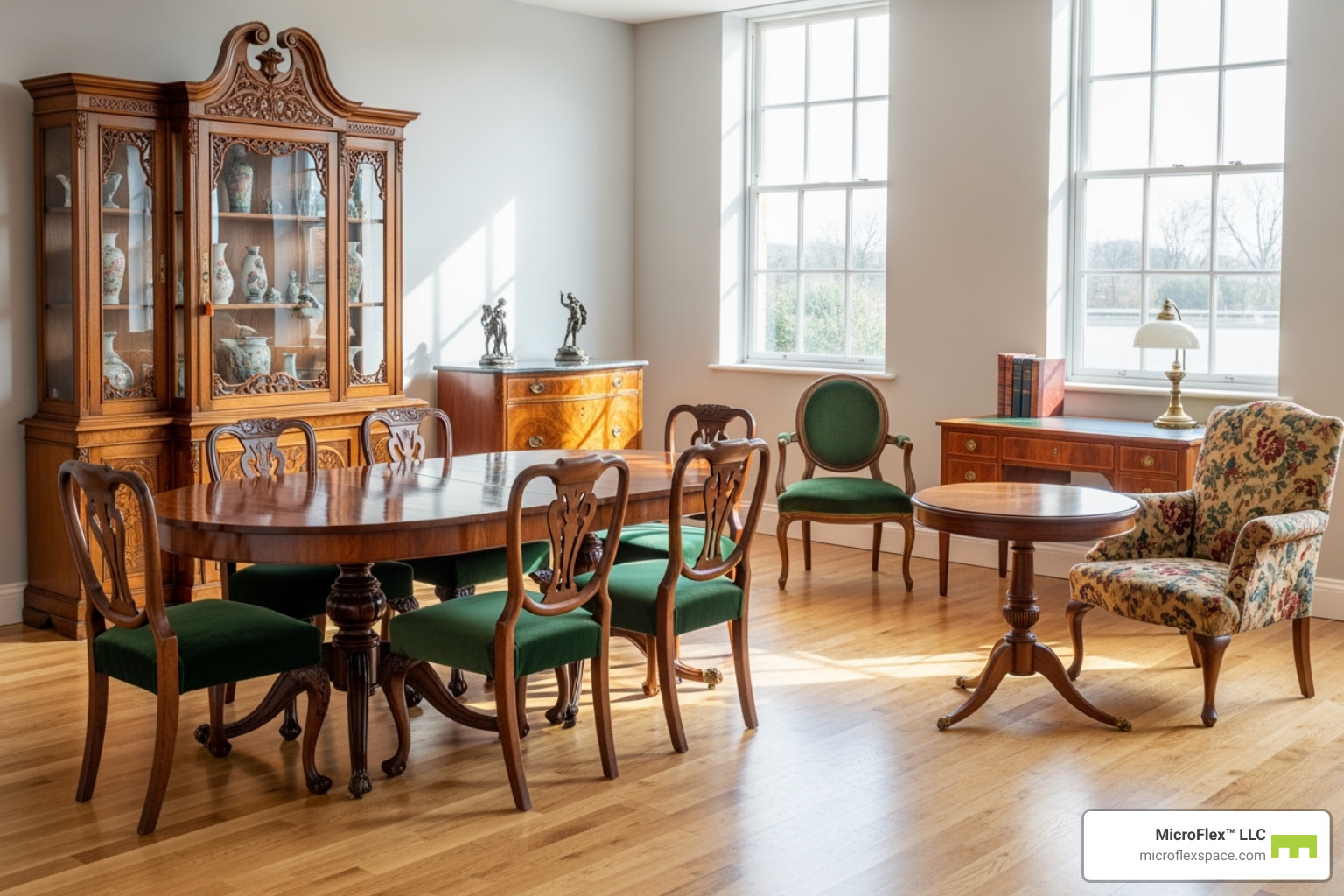
For the talented artisans who perform this work, the right workspace is essential. A furniture restoration studio requires good lighting, ventilation, and enough room for detailed work, material storage, and showcasing finished pieces.
That’s where MicroFlex™ LLC comes in. If you’re a furniture restorer looking for a creative workspace for rent, our adaptable spaces are designed for you. We combine warehouse, office, and showroom features with flexible lease terms that can grow with your business. Our spaces are perfect for managing multiple projects and displaying your beautiful work to clients.
Whether you’re in Birmingham (including Hoover and Irondale), Auburn, or Huntsville, we can help you find the perfect space for your craft. Explore our business rental solutions to see how MicroFlex™ LLC can support your passion for preserving history. Your work deserves a space as thoughtfully crafted as the furniture you restore.