


Why Small Warehouse Storage Is Revolutionizing How Businesses Operate
Small warehouse storage is changing how businesses operate by offering a flexible middle ground between massive traditional warehouses and restrictive self-storage units. It’s an ideal solution for entrepreneurs and growing companies.
What small warehouse storage offers:
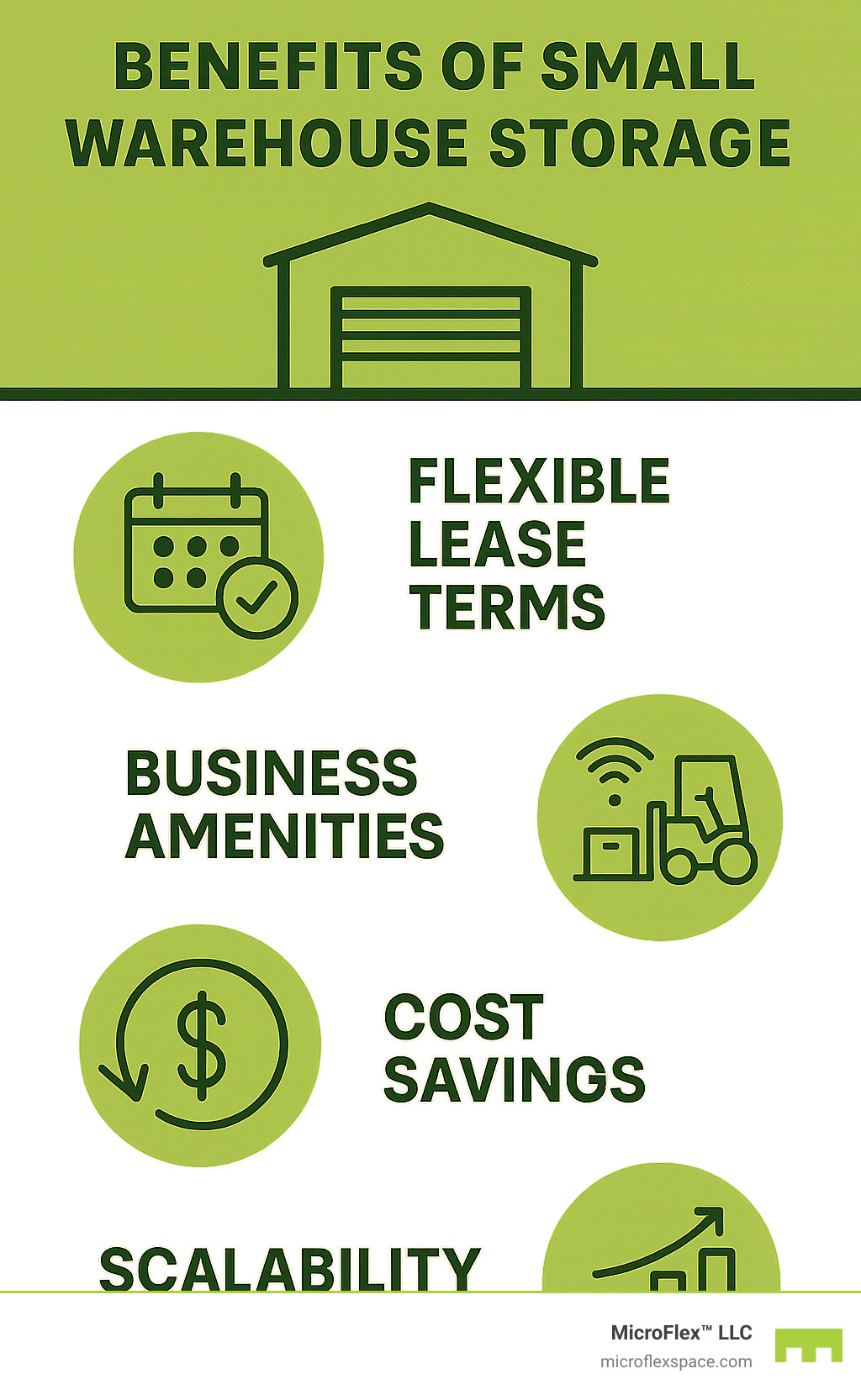
- Flexible spaces from 250 to 10,000 square feet
- Month-to-month lease options
- Business-ready amenities like loading docks, forklifts, and Wi-Fi
- Multi-function capabilities for storage, operations, and office space
- Cost-effective solutions
The rise of e-commerce has created massive demand for these adaptable spaces. Small warehouse storage eliminates many traditional pain points, such as rigid lease terms and high upfront costs.
Who benefits most:
- E-commerce businesses
- Contractors
- Seasonal businesses
- Startups
- Service providers
These spaces solve critical challenges by providing options that adapt to unique business requirements, rather than forcing a choice between expensive traditional warehouses or limited storage units.
I’m Sam Zoldock, a commercial real estate professional with experience in Alabama’s industrial and small warehouse storage markets. Through my work at OWN Alabama, I’ve helped businesses find storage solutions that balance cost, flexibility, and operational needs.
Small warehouse storage vocabulary:
What is Small Warehouse Storage and Who Needs It?
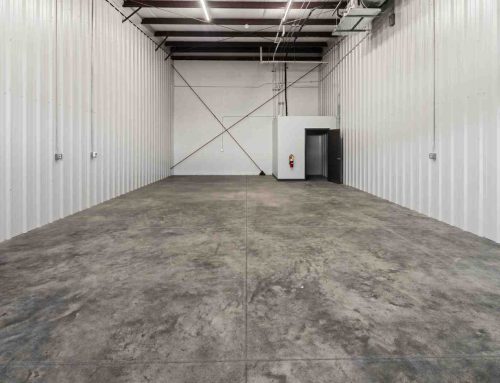
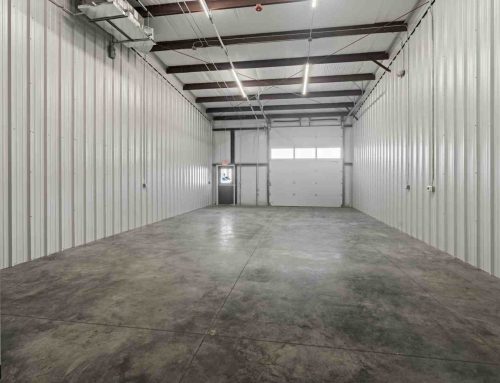
Small warehouse storage is a type of commercial space for businesses that have outgrown self-storage but don’t need a massive traditional warehouse. It’s a place built for efficiency and organization, customized to a business’s operations.
These spaces typically range from 250 to 10,000 square feet, offering a fit for everyone from a small e-commerce seller to a growing distribution hub. Unlike massive traditional warehouses, small warehouse storage focuses on maximizing every inch within a manageable size.
What makes these spaces special are their business-friendly features. You’ll find adaptable layouts for storage, light manufacturing, or office zones. They include essential amenities like shared forklifts, loading docks, and Wi-Fi—features rarely found in standard storage units. Security is also a priority, with 24/7 surveillance and secure access. Some facilities foster a community atmosphere with shared lounges, perfect for networking.
Learn more about these compact spaces in our guide on More info about micro warehouses.
Who thrives in small warehouse storage? Startups and small businesses benefit from the flexibility and cost-savings. For e-commerce businesses, these spaces are ideal for managing inventory and fulfilling orders efficiently. Contractors and tradespeople can securely store tools and materials, often with drive-up access. Seasonal businesses can scale their space up or down as demand changes, avoiding long-term leases for space they don’t always need.
The Primary Challenges of Limited Space
Even with a dedicated small warehouse storage space, managing it effectively requires clever planning. Businesses often face common challenges:
- Inventory overflow: Without a smart plan, a small space can become cluttered, slowing down order fulfillment.
- Inefficient workflow: A poorly organized layout can disrupt the flow from receiving to shipping, increasing labor costs.
- Safety hazards: Clutter, narrow aisles, and improper stacking can create risks. OSHA requires clear floors for a reason.
- Difficulty scaling: A fixed small space can feel restrictive during sudden growth without adaptable solutions.
- Disorganization: Lost or inaccessible items waste time, increase errors, and impact customer satisfaction.
Differentiating from Traditional Warehousing and Self-Storage
It’s important to understand the differences between small warehouse storage, traditional warehouses, and self-storage units to choose the right option for your business.
| Feature | Small Warehouse Storage | Traditional Warehousing | Self-Storage Units |
|---|---|---|---|
| Lease Terms | Highly flexible (month-to-month, 90 days+) | Long-term (1-5+ years) | Highly flexible (month-to-month) |
| Cost | Cost-effective, often all-inclusive monthly rate | High upfront costs, often complex lease agreements | Generally lowest cost per square foot, but limited amenities |
| Amenities | Loading docks, forklifts, Wi-Fi, shared offices | Full-scale logistics infrastructure, specialized equipment | Basic security (gates, cameras), no shared equipment |
| Scalability | Easy to scale up/down with flexible terms | Difficult and costly to scale quickly | Easy to scale by renting more units, but limited in size |
| Purpose | Multi-functional: storage, operations, office | Large-scale storage, distribution, manufacturing | Personal/business storage only, no operations |
| Operational Control | High degree of control over space & operations | Varies, often less direct control for tenants | Very high, but limited to storage activities |
The key advantage of small warehouse storage is its unique blend of features. We offer flexible lease terms, often as short as 90 days, which is a major benefit compared to the long-term commitments of traditional warehousing. This allows your business to adapt without being tied to a risky lease. Our spaces also come with essential amenities like loading docks and shared equipment—tools you won’t find in a typical self-storage unit.
Many small warehouse storage facilities also foster a community aspect, with shared lounges and co-working areas for networking. This supportive environment, combined with the operational control you have over your space, makes small warehouse storage a game-changer for businesses seeking a business warehouse for rent that supports their growth.
How to Maximize Your Small Warehouse Storage Space
Maximizing your small warehouse storage space requires a clever layout to ensure goods flow smoothly and operations run efficiently. It’s about making your space work smarter for you.
First, calculate your current space utilization to establish a baseline. Find the total cubic feet of your warehouse (square footage x ceiling height) and compare it to the potential storage volume of your racking systems. The goal is to increase the percentage of usable space.
The golden rule for any small space is to go vertical. Use every cubic foot from the floor to the ceiling.
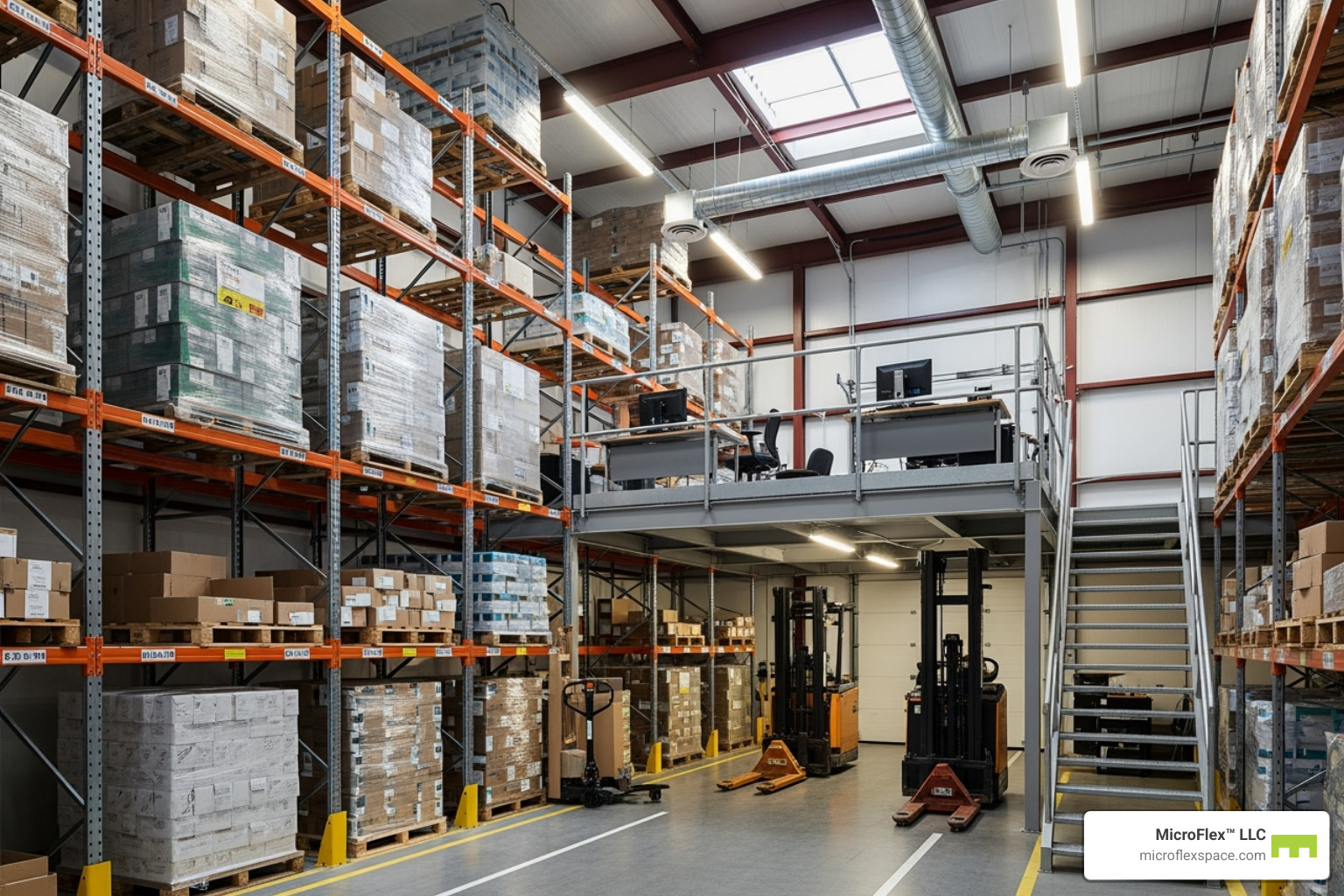
Aisle optimization is another key strategy. In a small warehouse storage setup, you can often use narrower aisles and smaller equipment like order pickers, freeing up floor space for more storage. Modular solutions that can be reconfigured as your needs change also offer incredible flexibility.
Choosing the Right Shelving and Racking Systems
The right storage system is the backbone of an efficient small warehouse storage space. The best choice depends on your inventory type, size, and turnover rate.
Popular options include:
- Pallet Racking: Essential for palletized items. Choose selective racking for easy access to every pallet or drive-in/drive-through racking for high-density storage of similar products.
- Industrial Shelving: Ideal for smaller, individual items or boxes.
- Mobile Shelving: Units sit on tracks and slide together, creating aisles only when needed. This boosts storage density for files or small inventory.
- Cantilever Racks: Perfect for long, bulky items like pipes or lumber.
- Pull-Out Units: Great for accessing heavy tools or machinery without moving other equipment.
Many providers offer custom solutions to maximize unique spaces. For more details, you can explore Choosing the right storage system.
The Power of Vertical Space and Mezzanines
Utilizing vertical space is crucial in small warehouse storage. It’s a cost-effective way to increase your usable area.
Mezzanines, for example, add a second level to your warehouse, potentially doubling your usable footprint. This creates extra room for storage, work areas, or even a dedicated office space with storage. You can store slow-moving inventory on the mezzanine, freeing up ground-level space for faster-moving goods.
While mezzanines require an initial investment, the benefits often outweigh the costs for growing businesses. Always consult with professionals to ensure the design meets structural limits, building codes, and safety regulations.
Ensuring Safety and Organization
An efficient small warehouse storage space is also safe and organized. Good organization improves workflow and protects your team.
One effective method is the 5S methodology:
- Sort: Remove unnecessary items from the workspace.
- Set in Order: Arrange needed items for easy access and use.
- Shine: Keep the workplace clean and tidy. A clean floor policy helps prevent accidents, as noted in OSHA regulation 1910.176(c). More details are at OSHA requirements for storage spaces.
- Standardize: Create consistent procedures for the first three steps.
- Sustain: Make 5S a daily habit and continuously improve.
Beyond 5S, ensure proper lighting to improve visibility and reduce errors. Clear labeling on shelves, bins, and products is also essential for quick picking and accurate inventory tracking.
Optimizing Operations and Inventory Within Your Space
A well-organized small warehouse storage space is just the start. Optimizing your operations and inventory management is the next critical step to ensure efficiency.

Your workflow should be smooth and purposeful. Plan each stage of your product’s journey: receiving, storing, picking, packing, and shipping. Optimizing each step saves time and money, and integrating technology can significantly boost efficiency.
Smart Inventory Management for Small Spaces
In a small warehouse storage setting, smart inventory management is crucial. Knowing what you have and where it is can make or break your efficiency.
Consider these techniques:
- ABC analysis: Categorize inventory by value and turnover. “A” items are high-value, fast-movers that should be placed in the most accessible locations.
- First-In, First-Out (FIFO): Sell or use the oldest inventory first. This is vital for perishable goods and keeps all stock fresh.
- Just-in-Time (JIT) inventory: Receive goods only as they are needed for production or sales. This reduces storage needs but requires excellent planning and supplier relationships.
- The 80/20 Rule (Pareto Principle): This principle suggests 80% of sales come from 20% of your inventory. Place this key 20% closest to packing and shipping areas for faster fulfillment. Learn more about The Pareto Principle.
- Reduce obsolete stock: Don’t let old, unsellable items take up valuable space. Liquidating them frees up physical space and capital.
The Role of Technology in Efficiency
Technology is a game-changer for maximizing efficiency in small warehouse storage, not just large facilities. It brings precision and speed to daily tasks.
- Warehouse Management Systems (WMS): A WMS acts as a control center, tracking inventory in real-time, managing orders, and optimizing picking routes.
- Barcode scanners: Paired with a WMS, scanners automate data entry, reducing human error and speeding up receiving, picking, and shipping.
- Inventory tracking software: Even simpler software helps monitor stock levels, locate items, and set reorder reminders.
- Automation potential: While full robotics may be a future goal, consider solutions like vertical carousels or small automated guided vehicles (AGVs) for repetitive tasks as your business grows.
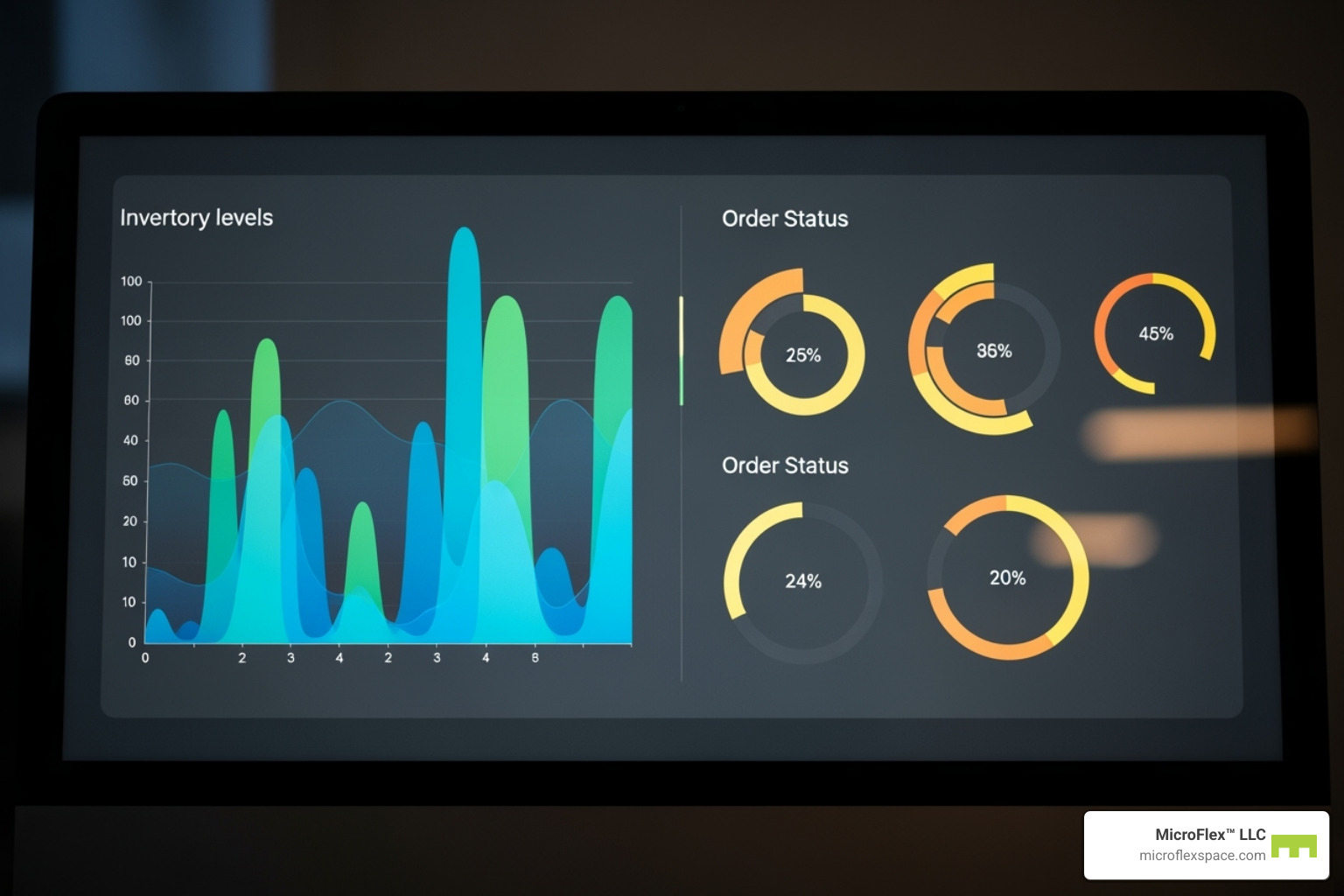
By embracing technology, you can transform a good small warehouse storage space into a highly productive one.
Financial and Logistical Considerations
Choosing small warehouse storage is a strategic financial and logistical move. Flexible leasing is a key advantage, allowing you to scale your space as your business needs change, which is crucial for navigating growth or seasonal demands.
This agility is a major benefit for businesses. To learn how adaptable terms can empower your business, see our insights on Short-term commercial storage options.
Understanding the Costs
While small warehouse storage is often more affordable than traditional warehousing, it’s important to understand all potential costs beyond the monthly rent.
- Rental rates: These vary by location, size, and amenities. Many flexible facilities offer a straightforward, all-inclusive monthly rate, avoiding the hidden fees common in traditional leases.
- Utility costs: Electricity, water, and HVAC can be significant, especially for climate-controlled spaces. Check what’s included in your agreement.
- Equipment expenses: You may need to purchase your own pallet jacks, shelving, or hand trucks, even if some equipment is shared.
- Software subscriptions: Ongoing costs for a Warehouse Management System (WMS) or inventory tracking software should be budgeted for.
- Insurance requirements: Business liability and property insurance are necessary to protect your inventory and operations.
For a local perspective on storage costs, our guide on How much is a storage unit in Birmingham offers useful insights.
Planning for Growth and Seasonal Demands
Small warehouse storage excels in providing flexibility for growth and seasonal demands. This adaptability is a significant advantage for staying nimble.
With flexible leases, you can easily expand into a larger unit during a peak season and downsize when things quiet down, ensuring you only pay for the space you need. This is a core benefit of options like a short-term warehouse lease.
This also simplifies storing seasonal inventory. You can keep your main operational area clutter-free by storing off-season items in less accessible areas. Finally, you can future-proof your layout with modular systems, allowing you to reconfigure your space as your business evolves. This ensures your small warehouse storage continues to work for you as you grow.
Frequently Asked Questions about Small Warehouse Storage
Here are answers to some of the most common inquiries we receive about small warehouse storage.
What is the difference between a mini warehouse and small warehouse storage?
While the terms are sometimes used interchangeably, there are key differences. A mini warehouse typically refers to a larger self-storage unit (e.g., 10×30 ft). These are great for simply stashing goods but lack the commercial amenities needed to run a business, such as loading docks or industrial power.
Small warehouse storage, however, refers to dedicated commercial spaces (from 250 to 10,000 sq ft) built for business operations. They include essentials like loading docks, higher ceilings (20+ ft), and robust power. They are designed to facilitate your entire workflow—from receiving and storing to picking, packing, and shipping—making them far more functional than a standard storage unit.
How do I determine the right size warehouse for my business?
To determine the right size warehouse, you need to assess your current and future needs. Consider:
- Current inventory volume: Measure the cubic footage of your goods, and account for packaging and movement space.
- Operational space needs: Factor in room for activities like assembly, packing stations, or product displays.
- Equipment and personnel: Ensure you have space for tools, pallet jacks, and comfortable work areas for your team.
- Projected growth: It’s often wise to secure slightly more space than you currently need to accommodate growth over the next 6-12 months. Flexible lease options allow you to adjust later if needed.
Can I run my business out of a small warehouse space?
Yes, absolutely. This is a primary advantage of small warehouse storage. Many facilities are designed as multi-function spaces to serve as the heart of your operations.
These versatile spaces are suited for:
- Storage: Holding inventory, equipment, or documents.
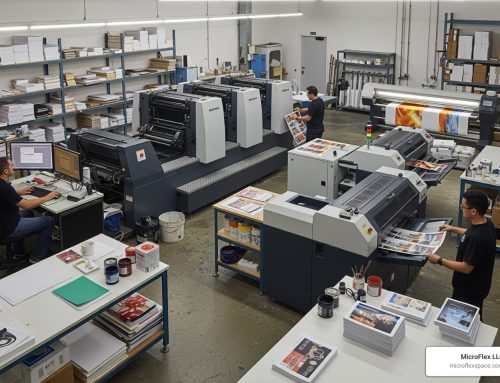
- Light Assembly & Manufacturing: Building, customizing, or finishing products.
- Order Fulfillment: Processing and shipping e-commerce orders.
- Showroom: Configuring a layout to display products to clients.
- Office Space: Many units allow for a dedicated office area, and some facilities offer shared amenities or dedicated warehouse office space for rent.
Choosing a small warehouse storage solution allows you to consolidate your entire operation into one efficient hub, saving the cost and hassle of managing separate locations.
Conclusion
Small warehouse storage spaces are more than just rooms; they are dynamic hubs designed to help your business thrive. We’ve covered their benefits, from flexibility and cost-effectiveness to the operational control needed to run your business your way.
For many entrepreneurs, especially in e-commerce or contracting, small warehouse storage is an empowerment tool. It represents the future of business space: agile, adaptable, and built to support growth without the constraints of traditional leases. It’s about optimizing resources to create an environment where growth is encouraged.
That is our mission at MicroFlex™ LLC. We are passionate about providing these adaptable, multi-function spaces in Birmingham, AL. Our goal is to help businesses like yours succeed without the limitations of traditional commercial real estate.
Every business deserves the freedom to grow. If you’re ready to find a space that works for you, come find your perfect mini warehouse storage solution with us. Let’s make space for your success!