

Why Temporary Modular Office Buildings Are Changing How Businesses Find Space
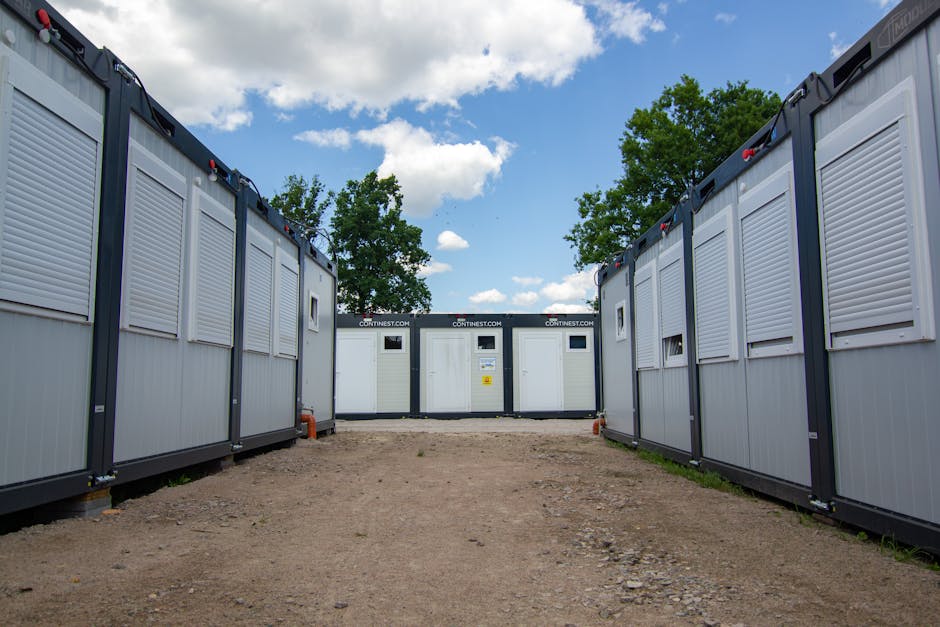
Temporary modular office buildings are factory-built, relocatable structures that can be delivered and installed in as little as 5 days. Unlike traditional construction, these prefabricated units are manufactured off-site in controlled environments, then transported to your location for rapid deployment.
Key advantages of temporary modular office buildings:
- Speed: 30-50% faster than traditional construction
- Flexibility: Easily relocatable and reconfigurable
- Cost-effective: Available for rent, lease, or purchase
- Code-compliant: Meet or exceed local building standards
- Eco-friendly: Reduce construction waste by up to 40%
- Scalable: From 200 sq ft single units to 30,000+ sq ft complexes
These solutions work perfectly for construction site offices, temporary classrooms, disaster recovery spaces, business expansions, and special events. With 80% of orders shipping within 5 days and the ability to stack or combine units endlessly, modular offices offer the ultimate flexibility for changing business needs.
As Sam Zoldock, a commercial real estate investment professional with deep expertise in Alabama markets, I’ve seen how temporary modular office buildings provide crucial flexibility for businesses navigating growth, relocations, and market changes. Through my work with various commercial properties and space solutions, I understand the critical importance of adaptable workspace options for today’s dynamic business environment.
Temporary modular office buildings glossary:
– managed office spaces
– home office solutions for small spaces
– office space for rent
Why Choose a Temporary Modular Office?
Here’s something that might surprise you: nearly 40% of America’s landfill waste comes from construction materials. That’s just one reason why smart businesses are turning to temporary modular office buildings instead of traditional construction.
Think about the last time you watched a conventional building project. Months of weather delays, quality control headaches, and that sinking feeling when your timeline gets pushed back again and again. Temporary modular office buildings flip this frustrating process on its head.
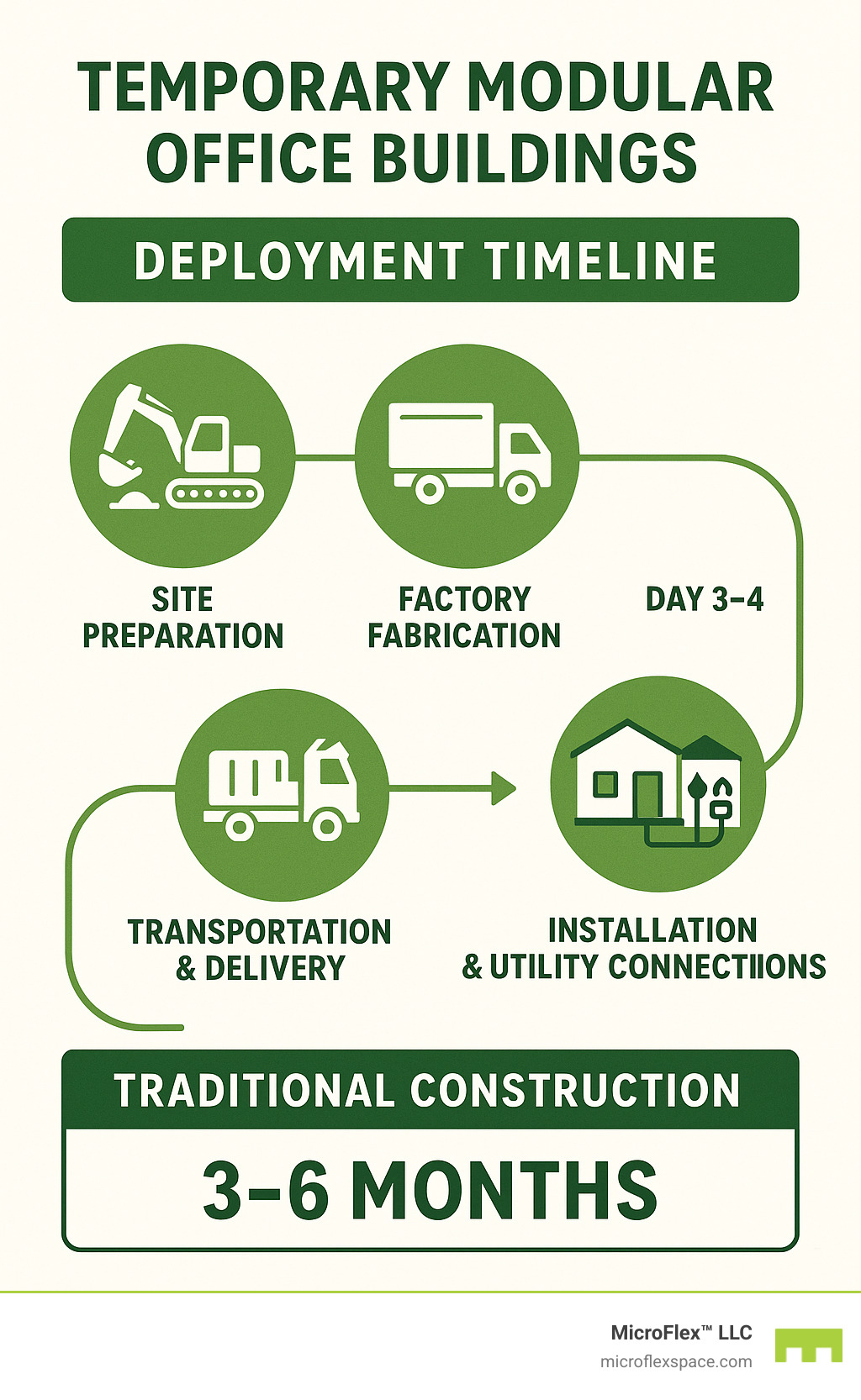
Here’s the magic: while your site crew is preparing the foundation, your building is simultaneously being manufactured in a climate-controlled factory. No rain delays, no surprise material shortages, no wondering if the work will meet standards. This parallel approach can cut project timelines by 30-50% compared to traditional methods.
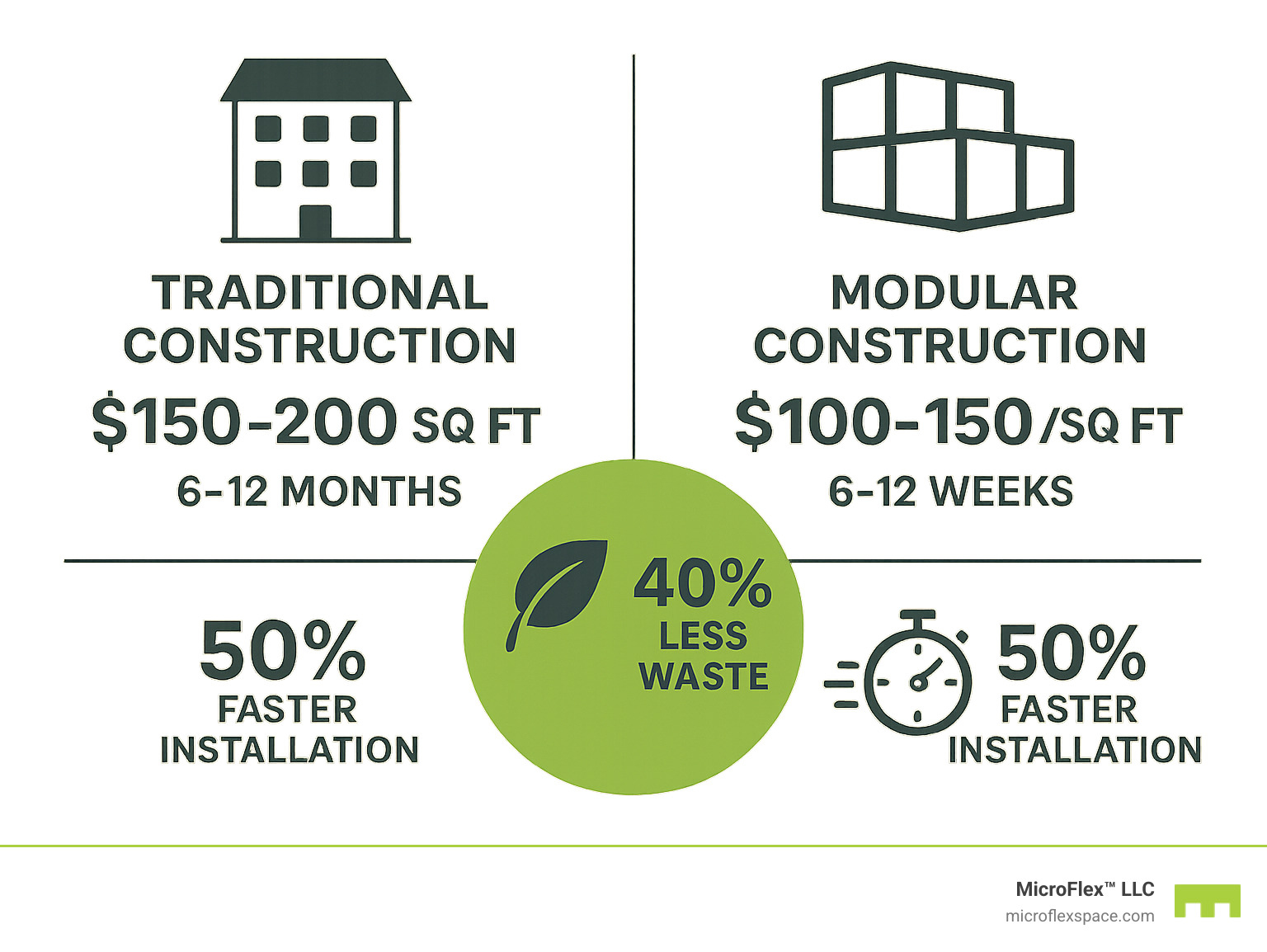
We’ve seen projects that would normally take six months with conventional building completed in just 8-12 weeks with modular solutions. For Birmingham’s booming tech sector or Huntsville’s aerospace companies, this speed advantage often means the difference between seizing an opportunity and watching it slip away.
The controlled factory environment ensures every component meets precise specifications using the same materials and codes as traditional construction – often exceeding them. Your temporary modular office buildings arrive meeting or surpassing International Building Code standards while delivering faster, cleaner, and more predictable results.
Scientific research on construction waste reduction shows that modular construction significantly reduces environmental impact through efficient material use and waste minimization. More info about Dynamic Workplace Solutions
Key Benefits of temporary modular office buildings
Cost savings that actually add up – Temporary modular office buildings typically cost 20-30% less than traditional construction when you factor in speed, reduced site disruption, and financing flexibility. But here’s where it gets really interesting: the real savings come from starting your revenue or productivity gains weeks or months earlier than conventional building would allow.
Minimal business disruption means your existing operations keep humming along. Unlike traditional construction with its symphony of jackhammers, dust clouds, and extended chaos, modular installation happens quickly and cleanly. Most units arrive 85-90% complete, needing only utility connections and final inspections.
Rental flexibility offers the financial freedom most businesses crave. You can rent temporary modular office buildings for just a few months or stretch it to several years. This operating expense approach preserves your capital and provides easy exit strategies when your needs inevitably change. Used inventory is often available for immediate delivery – perfect when you needed space yesterday.
Industries That Thrive with temporary modular office buildings
Construction and infrastructure companies represent the biggest fans of temporary modular office buildings. Site offices, meeting rooms, and administrative spaces deploy as projects begin and relocate as work progresses. We’ve worked with everything from single-unit site trailers to impressive multi-building complexes for major infrastructure projects.
Education facilities facing enrollment surges or building renovations find modular solutions incredibly practical. Temporary classrooms, administrative offices, and specialized spaces like computer labs can be deployed rapidly. The ability to return units when permanent facilities come online makes perfect sense for school districts managing tight budgets.
Healthcare and emergency response organizations use modular offices for expansions, temporary clinics, and disaster response. When traditional construction timelines are simply unacceptable for urgent healthcare needs, modular speed becomes literally life-saving.
Events and entertainment venues often need temporary office space for staff, vendors, and media. Modular offices can be configured with premium finishes to create professional environments that genuinely improve the event experience.
Disaster recovery situations demand immediate workspace solutions when businesses face unexpected disruptions from natural disasters, fires, or other emergencies. Temporary modular office buildings provide that crucial business continuity, and insurance often covers these temporary facilities.
Best Temporary Modular Office Buildings in 2024
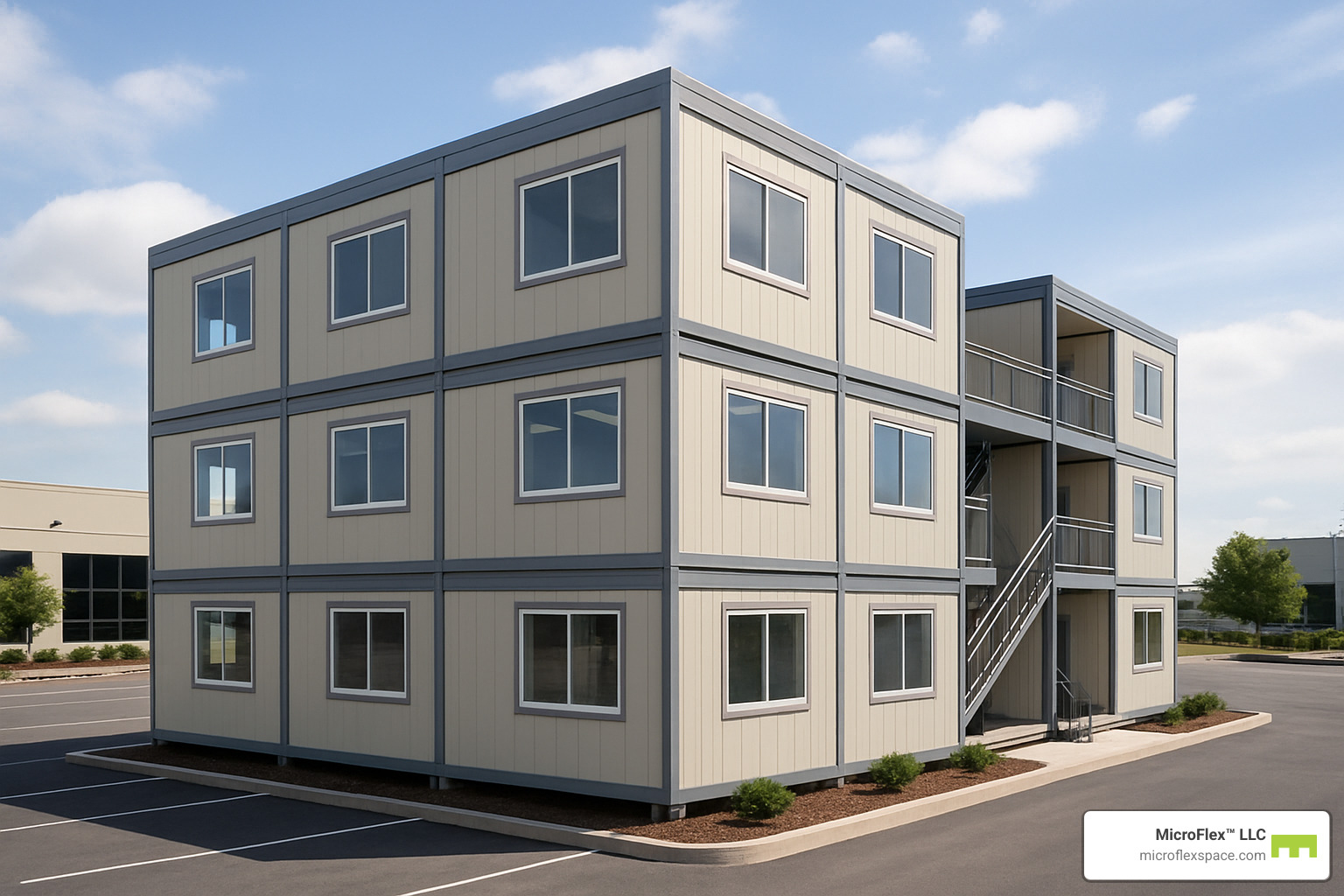
The world of temporary modular office buildings has grown up. Gone are the days when your only option was a basic construction trailer. Today’s modular offices range from sleek single units that rival permanent construction to sophisticated multi-story complexes that can house entire departments.
What’s driving this evolution? Businesses finded that temporary doesn’t have to mean compromising on quality or appearance. Whether you need a quick solution for a construction site or a professional space for client meetings, there’s likely a modular option that fits perfectly.
The key is understanding what’s available. At one end, you have quick-ship units that can be on your site in under a week. At the other end, you have custom complexes with premium finishes and specialized features. Most projects fall somewhere in between, balancing speed, cost, and functionality.
| Feature | Single-Wide (8′ x 20′-40′) | Multi-Wide Complex |
|---|---|---|
| Setup Time | 1-2 days | 3-7 days |
| Capacity | 2-8 people | 10-100+ people |
| Cost | $500-1,500/month | $2,000-15,000/month |
| Customization | Limited | Extensive |
| Relocation | Very easy | Moderate complexity |
“Quick-Ship” temporary modular office buildings
When you need space yesterday, quick-ship temporary modular office buildings are your best friend. These units use standardized designs and pre-stocked materials to achieve something that sounds impossible – 80% of orders ship within 5 days of approval.
The secret is simplicity. Instead of custom-designing each unit, quick-ship programs work with proven configurations. You can choose from over 30 standard sizes, ranging from compact 8′ x 8′ units perfect for site supervisors to spacious 20′ x 40′ offices that can house entire project teams.
Height options include standard 8′ or 9′ ceilings, and the units arrive with everything you need. We’re talking vinyl-faced drywall, R-10 insulation (with R-20 upgrades available), energy-efficient LED lighting, and programmable HVAC systems. The electrical and data outlets are pre-wired, so setup is literally plug-and-play.
But here’s what makes quick-ship units really smart – they’re designed to grow with you. Start with a basic office, then add modules as your team expands. Need a conference room? Connect another unit. Growing beyond your original space? Stack units or create multi-building layouts.
Custom FLEX temporary modular office buildings
Sometimes you need more than basic – you need impressive. That’s where FLEX temporary modular office buildings shine. These aren’t your typical construction trailers. They’re designed to create what the industry calls a “non-trailer environment” – professional spaces that your clients won’t even realize are temporary.
FLEX units start with non-combustible metal construction and double-pane windows for better insulation and appearance. The motion-activated LED lighting saves energy while creating a modern feel. But the real game-changer is the movable interior panels that let you reconfigure layouts as needs change.
The aesthetic difference is remarkable. Modern design with clean lines and neutral color palettes create spaces that rival permanent offices. For businesses in professional services or high-tech industries, this liftd standard can make a real difference in how clients perceive your operation.
Premium finishes and ergonomic workspace packages are available for businesses that want to create truly impressive temporary facilities. Some units even include built-in restrooms and water systems for complete independence from existing infrastructure.
More info about Modular Office Space
Large-Scale Complexes & Stackable Solutions
When your space needs are measured in thousands of square feet rather than hundreds, modular complexes become incredibly powerful. We’re talking about multi-story buildings up to 3-4 levels, campus-style layouts with multiple connected buildings, and specialized spaces like training facilities or conference centers.
These large installations can range from 10,000 to over 30,000 square feet. They include full amenities like kitchens, break rooms, and ADA-compliant restrooms. The engineering allows for conference rooms, multiple departments, and even specialized functions like clean rooms or laboratories.
The timeline advantage remains impressive even at this scale. A 15,000 square foot modular complex might be completed in 12-16 weeks, compared to 8-12 months for traditional construction. The units arrive with most interior work already completed, so installation focuses on connections and final systems integration.
Stackable solutions make these complexes particularly versatile. Need to expand? Add more modules. Relocating? The entire complex can be disassembled, moved, and reassembled at a new location. This flexibility transforms how businesses think about their real estate commitments.
Delivery, Installation & Reconfiguration

Here’s where temporary modular office buildings really shine – the entire delivery and setup process is surprisingly smooth and fast. While traditional construction crews are still digging foundations, your modular office is already being built in a factory somewhere, ready to ship.
The magic happens through what we call parallel processing. Your site gets prepped while your building gets manufactured. Transportation gets scheduled while utilities get roughed in. Everything happens at once instead of one slow step after another.
Most temporary modular office buildings arrive about 85-90% complete. Think of it like getting a piece of furniture that’s mostly assembled – you just need to connect a few final pieces and plug it in. The heavy lifting is already done.
Professional crews handle all the technical stuff. Cranes position your building exactly where it needs to go. Leveling systems make sure everything sits perfectly. Utility teams connect power, water, and data lines. You don’t need to worry about any of it.
More info about Short Term Office Rent
From Order to Occupancy for temporary modular office buildings
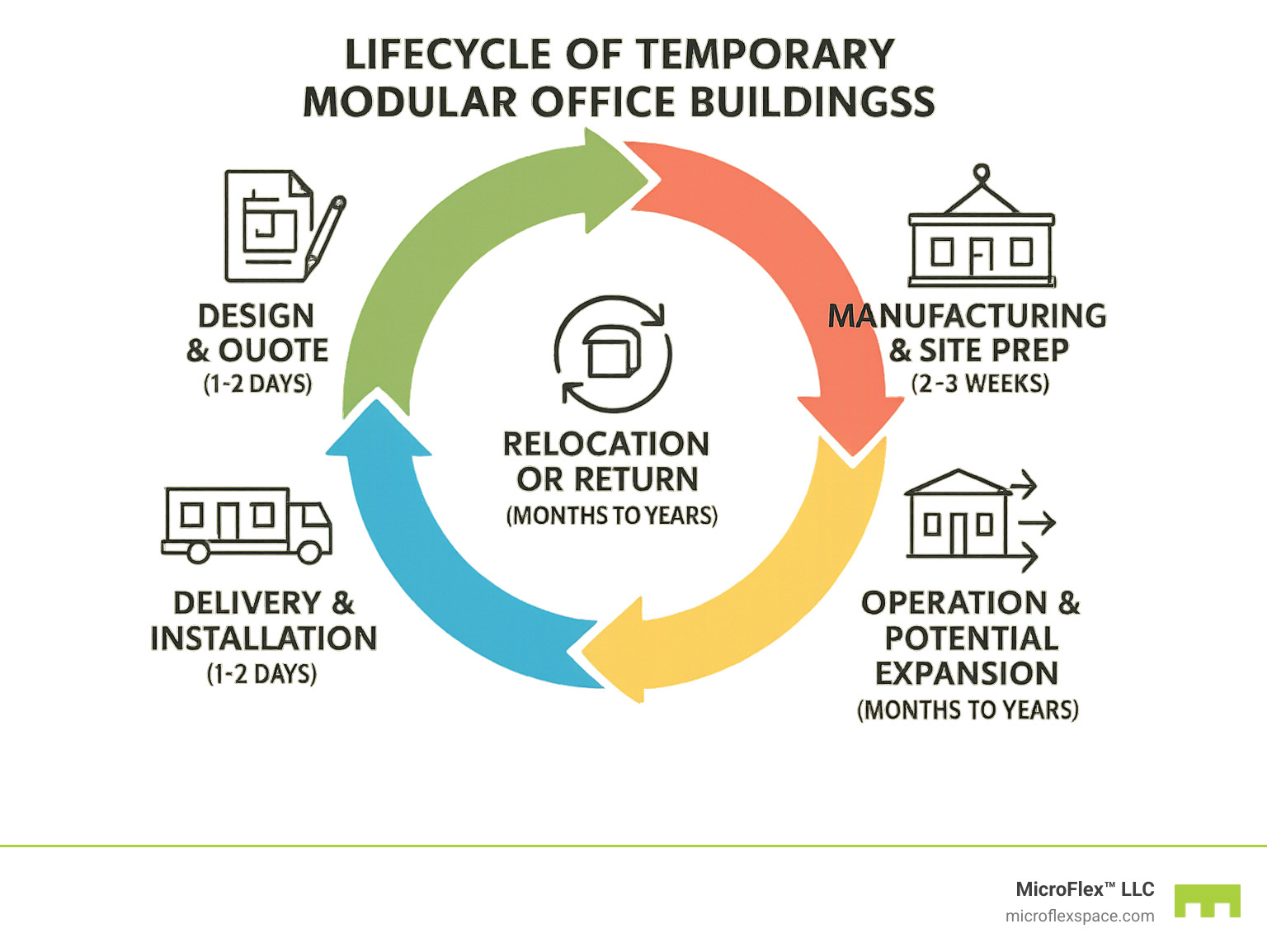
Getting from “I need office space” to “welcome to your new office” typically takes about a month for temporary modular office buildings. Here’s how it usually plays out.
The first week focuses on planning and paperwork. Someone visits your site to check utilities and ground conditions. You pick your building configuration and any custom features. Permits get filed (usually faster than traditional construction permits). Site prep crews start working.
Weeks two and three are where the parallel magic happens. Your building gets manufactured in climate-controlled factory conditions while your site gets prepared. Foundation work happens alongside transportation planning. Everything coordinates so nothing waits on anything else.
Week four brings the exciting part – delivery day. Professional crews arrive with your building and all the equipment needed to position it perfectly. Utilities get connected, systems get tested, inspections happen. Within days, you’re walking through your new space with keys in hand.
This timeline works for standard configurations on straightforward sites. Complex projects might take longer, but even elaborate modular installations finish weeks or months faster than traditional construction. The predictability is refreshing – no weather delays, no surprise material shortages, no mysterious construction delays.
Expanding or Moving Your temporary modular office buildings
This is where temporary modular office buildings become almost addictive. Need more space next month? Add another module. Growing faster than expected? Stack a second floor. Market changing? Pack up and move to a better location.
Growing your space happens in logical increments. You can connect additional units horizontally to create longer buildings or stack them vertically for multi-story complexes. Interior walls can be moved or removed to change room functions. Systems can be upgraded as needs evolve.
Moving your entire facility sounds complicated but happens more often than you’d think. Construction companies relocate site offices as projects progress. Growing businesses move to better locations without losing their investment in workspace improvements. Companies facing temporary relocations can take their offices with them.
Downsizing flexibility might be the most valuable feature. Traditional leases trap you in space you no longer need. With modular offices, you can return units when business slows, send them to other locations, or even sell them to recover some investment.
We’ve seen businesses use the same modular units for completely different purposes over time. A construction company’s site office becomes a retail showroom. A temporary classroom becomes a healthcare clinic. A disaster recovery facility becomes permanent expansion space. The flexibility adapts to whatever life throws at your business.
Cost, Financing & Sustainability
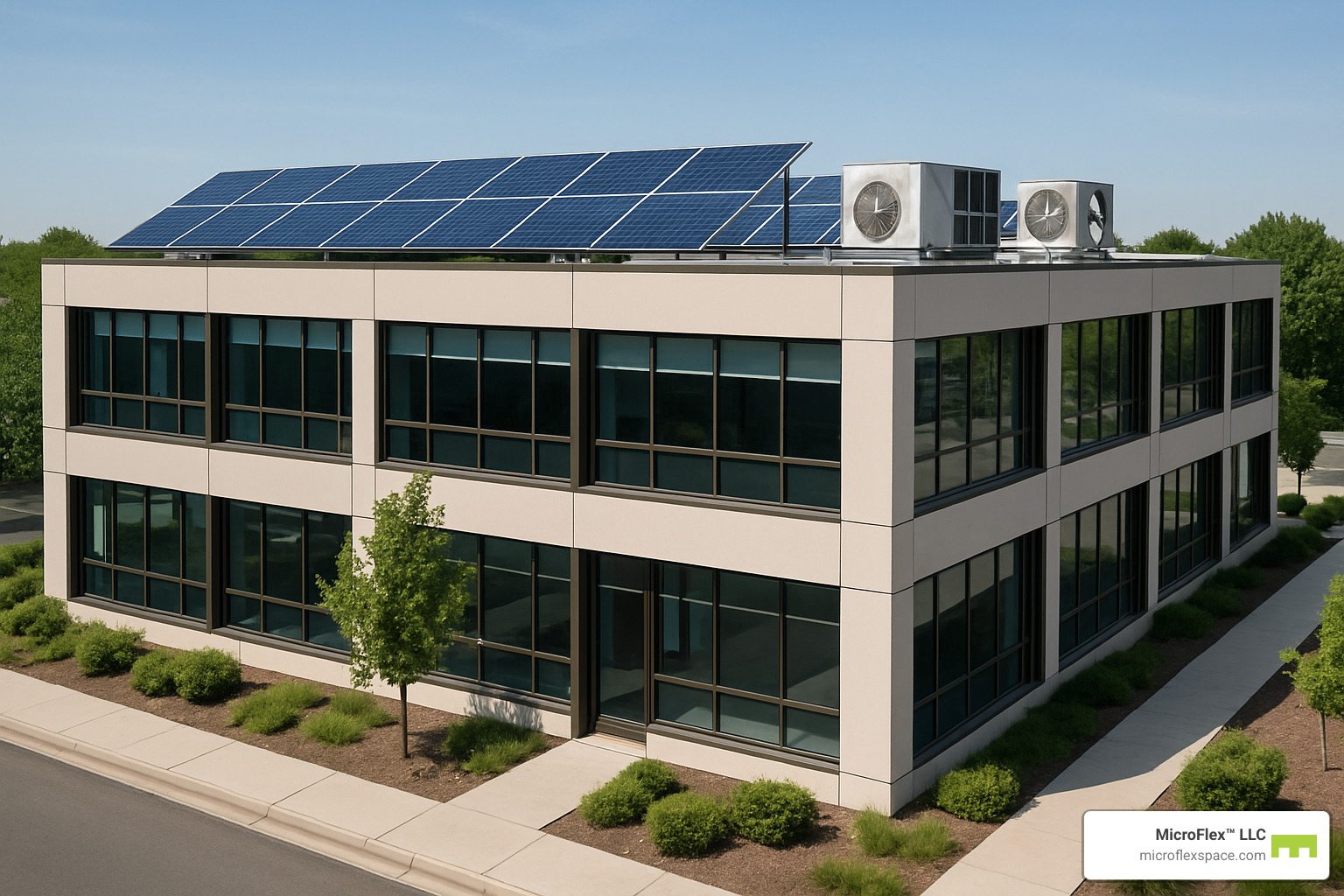
Let’s talk dollars and cents – because that’s probably what your boss really wants to know about temporary modular office buildings. The good news? You’re looking at genuine savings that go far beyond the sticker price.
Most businesses see total project costs that are 20-30% lower than traditional construction. But here’s where it gets interesting – the real savings come from getting your space operational weeks or months earlier. While your competitor is still waiting for their traditional building to finish, you’re already generating revenue or productivity in your new modular space.
The speed advantage translates directly to your bottom line. Reduced financing costs from shorter project timelines, lower site disruption for existing operations, and flexible exit strategies that don’t lock up your capital for decades. It’s like having your cake and eating it too.
From a sustainability perspective, temporary modular office buildings are genuinely green solutions. Factory-controlled construction reduces waste by up to 40% compared to traditional building methods. Plus, these buildings can be relocated and reused multiple times, extending their useful life far beyond single-use construction.
More info about Temporary Office Space Birmingham
Budgeting for temporary modular office buildings
Here’s what you need to know about pricing – it’s more straightforward than traditional construction, but there are still several factors that affect your total investment.
Unit costs range from around $500 per month for basic single-wide units up to $15,000 monthly for large multi-building complexes. The difference usually comes down to size and configuration, quality level (basic quick-ship versus premium FLEX finishes), customization extent, and rental duration. Longer commitments typically reduce your monthly costs.
Don’t forget about site work expenses. You’ll need proper foundations – whether that’s concrete pads, piers, or temporary supports. Utility connections for electrical, plumbing, HVAC, and telecommunications add to the budget. Site preparation might include grading, drainage, and access roads. Permits and inspections vary by location but are generally less complex than traditional construction.
Operating costs are refreshingly predictable. Standard utilities like electricity, water, and internet are your main ongoing expenses. Insurance often falls under existing commercial policies. Maintenance stays minimal thanks to new construction and manufacturer warranties. Security systems are optional but worth considering for valuable equipment or sensitive operations.
Financing Options & Tax Advantages
Most businesses choose rental arrangements for temporary modular office buildings, and there are solid reasons why. Operating leases preserve your capital for core business investments while providing predictable monthly expenses that make budgeting simple. These rental payments are typically tax deductible as business operating expenses, and you maintain easy exit strategies when your needs change.
Purchase options work well for longer-term needs. Capital leases let you build equity while maintaining flexibility. Direct purchase gives you maximum customization freedom and potential Section 179 tax deductions for qualifying purchases. Used inventory offers significant cost savings with immediate availability – perfect when you need space yesterday.
Cooperative purchasing agreements can streamline the process for government agencies and large organizations. These arrangements bypass formal bidding processes, reducing both acquisition time and administrative headaches.
Frequently Asked Questions about Temporary Modular Offices
How long do temporary modular office buildings last?
Here’s something that surprises most people: temporary modular office buildings can easily last 20-30 years or more with basic maintenance. The word “temporary” is a bit misleading – it really refers to their ability to be moved around, not how long they’ll hold up.
Think about it this way: these buildings are constructed in climate-controlled factories where rain, snow, and wind can’t interfere with the building process. Workers aren’t rushing to beat weather deadlines, and quality control happens at every step. The result? Construction that’s often more durable than what you’d get with traditional building methods.
We’ve seen businesses plan to use modular offices for six months and end up keeping them for years. The flexibility to relocate, expand, or completely reconfigure the space often makes them more valuable than permanent buildings as companies grow and change.
Are they compliant with local building and safety codes?
Absolutely – and this is where temporary modular office buildings really shine. They must meet or exceed the exact same building codes as any permanent office building. No shortcuts, no exceptions.
Every unit follows International Building Code (IBC) standards plus your local requirements. This means proper structural engineering for wind and earthquake loads, fire safety systems with correct exits and materials, code-compliant electrical work, and full ADA accessibility features like ramps and proper doorway widths.
The permitting process works just like traditional construction, complete with inspections and approvals. The big difference? Most suppliers handle all the paperwork for you. They know the local codes inside and out, so you don’t have to become an expert in building regulations.
Professional installation teams coordinate with local inspectors to ensure everything meets code before you move in. It’s turnkey compliance that saves you time and headaches.
What customization features come standard?
Standard temporary modular office buildings come surprisingly well-equipped right out of the gate. Basic features include vinyl-faced drywall inside and out, R-10 insulation that keeps things comfortable, energy-efficient LED lighting with motion sensors, and programmable HVAC systems that won’t break your utility budget.
You’ll also get pre-wired electrical outlets and data connections positioned where you actually need them, standard entry doors and windows for natural light, and durable vinyl composite flooring that can handle daily office traffic.
But here’s where it gets interesting – the upgrade options are extensive. Want carpet or hardwood floors? No problem. Need better sound control with improved insulation? Easy upgrade. Looking for built-in conference room setups, restroom facilities, or kitchen areas? All available.
The modular approach lets you customize extensively while keeping costs reasonable. Most suppliers offer package deals that bundle popular upgrades – things like premium flooring, upgraded lighting, and workspace furniture – at prices that make sense for growing businesses.
The beauty is that you can start basic and add features later as your needs evolve. Need a conference room six months down the road? Just add it on. That kind of flexibility is pretty hard to beat.
Conclusion
Temporary modular office buildings have quietly revolutionized how smart businesses think about workspace. Instead of waiting months for traditional construction or signing rigid long-term leases, you can have professional office space delivered and ready in just 5 days. That’s not just faster – it’s a completely different way of doing business.
The numbers tell the story. With costs running 20-30% lower than traditional construction and the flexibility to expand, relocate, or return units as your needs change, modular offices make financial sense. But the real advantage goes deeper than dollars and cents. It’s about having workspace that actually works with your business instead of against it.
Whether you need a basic Quick-Ship unit for immediate deployment or a premium FLEX system that looks and feels like permanent construction, there’s a solution that fits your specific situation. The ability to rent month-to-month, lease long-term, or purchase outright means you’re never locked into arrangements that don’t serve your business.
Here in Alabama, we understand that businesses move fast. Birmingham’s downtown renaissance, Huntsville’s booming tech sector, and the steady growth throughout our region create opportunities that won’t wait for traditional construction timelines. Temporary modular office buildings give you the agility to seize those opportunities when they appear.
At MicroFlex™ LLC, we’ve seen how the right workspace solution can transform a business. Our locations in Auburn Opelika, Birmingham Irondale, Huntsville, and Birmingham Hoover put flexible space solutions within reach throughout central Alabama. We combine the speed and adaptability of modular construction with the personal service that comes from understanding local business needs.
The truth is, temporary modular office buildings aren’t really temporary at all – they’re permanent solutions to the temporary nature of business itself. Markets shift, teams grow, projects end, and opportunities emerge. Your workspace should be ready to move with you, not hold you back.
Ready to find how modular office solutions can give your business the flexibility edge? More info about available spaces and see why Alabama businesses are choosing workspace that adapts as fast as they do.