Why a Showroom Open House is More Than Just an Event
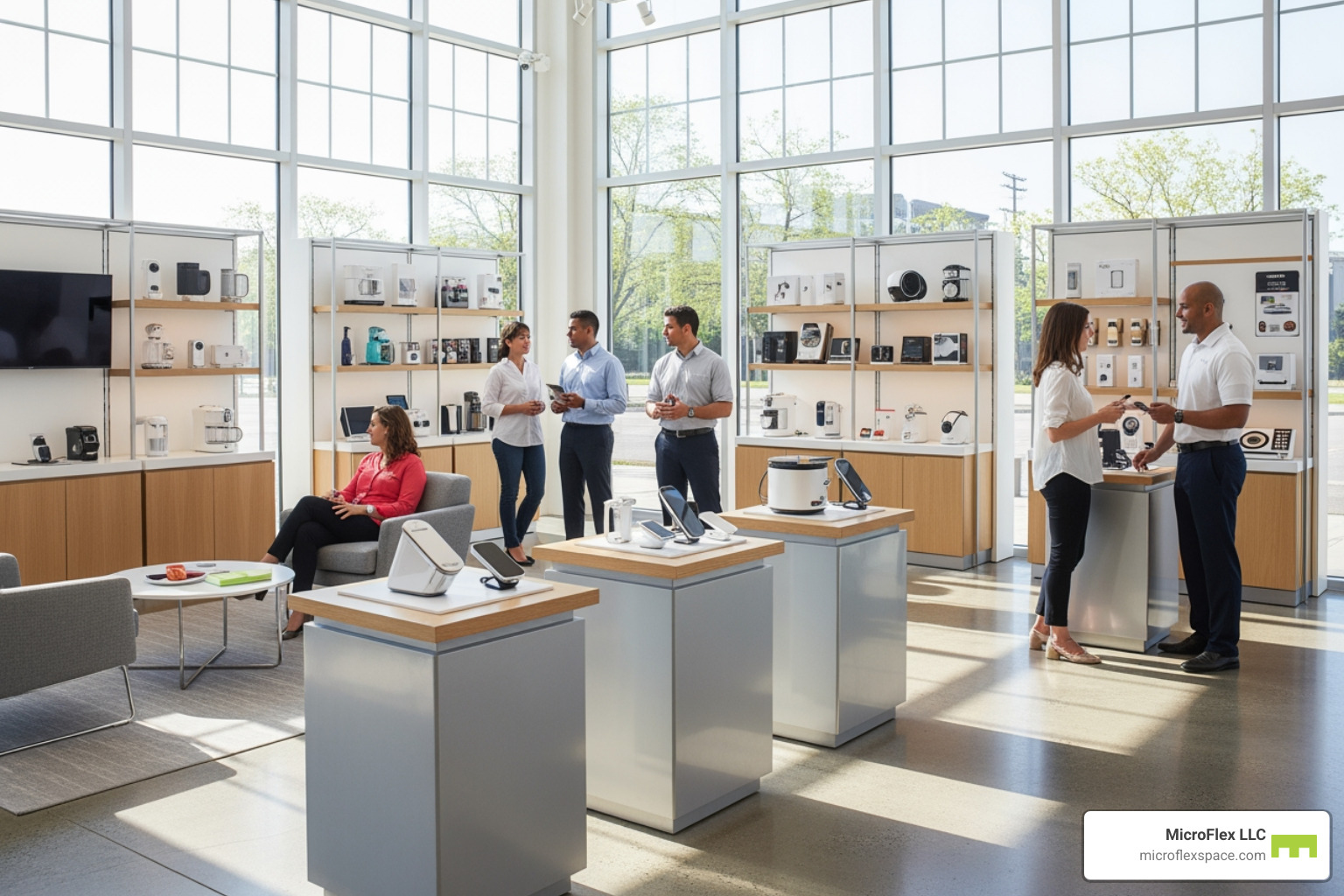
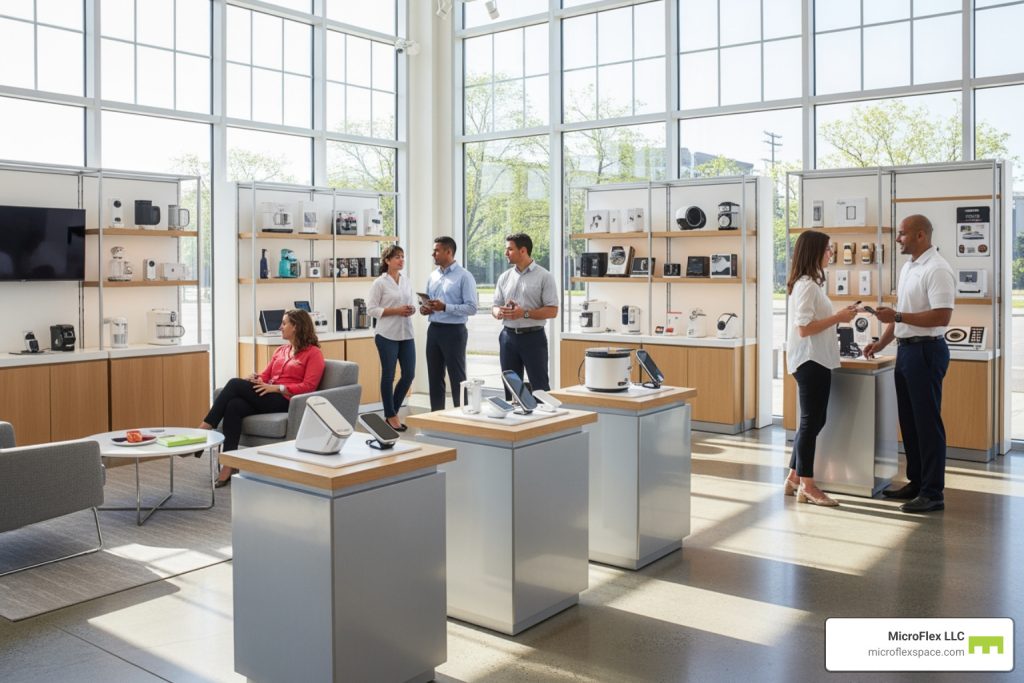
A showroom open house is a strategic business event where companies invite customers, partners, and community members to experience their space, products, and services in person. Here’s what you need to know:
Quick Overview: Showroom Open House Essentials
- What it is: An in-person event where businesses open their doors to showcase products, build relationships, and generate leads
- Who benefits: Furniture retailers, automotive dealers, B2B suppliers, artists, contractors, and e-commerce brands expanding offline
- Key benefits: Direct customer feedback, brand awareness, lead generation, community building, and increased sales
- Success factors: Strategic planning, compelling promotion, engaging activities, quality refreshments, and thorough follow-up
- Typical format: 3-6 hour events featuring product demonstrations, networking opportunities, and exclusive offers
While holding an open house is not a new marketing concept, if done well, it can attract new clients and reward existing ones. The challenge? Most showroom open houses succeed or fail based on proper planning and exemplary execution.
There’s something powerful about physical spaces. Open houses give potential clients, partners, and even prospective hires an opportunity to learn more about your business in a fun and relaxed setting. Unlike virtual tours or social media posts, they allow people to see, touch, and experience what you offer while building genuine connections.
But here’s the reality: showroom open house events can be massive drains on your team’s energy and wallet if not done strategically. Many businesses throw big bashes hoping for results, only to see mediocre turnout and questionable return on investment. The difference between a forgettable event and one that generates months of business comes down to smart planning, the right space, and clear objectives.
I’m Chase Carroll, and through my work developing MicroFlex spaces and advising small businesses, I’ve seen how the right venue can transform a showroom open house from a logistical headache into a powerful growth tool. The key is having a flexible space that adapts to your event needs while supporting your daily operations.
The Strategic Foundation: Why Host a Showroom Event?
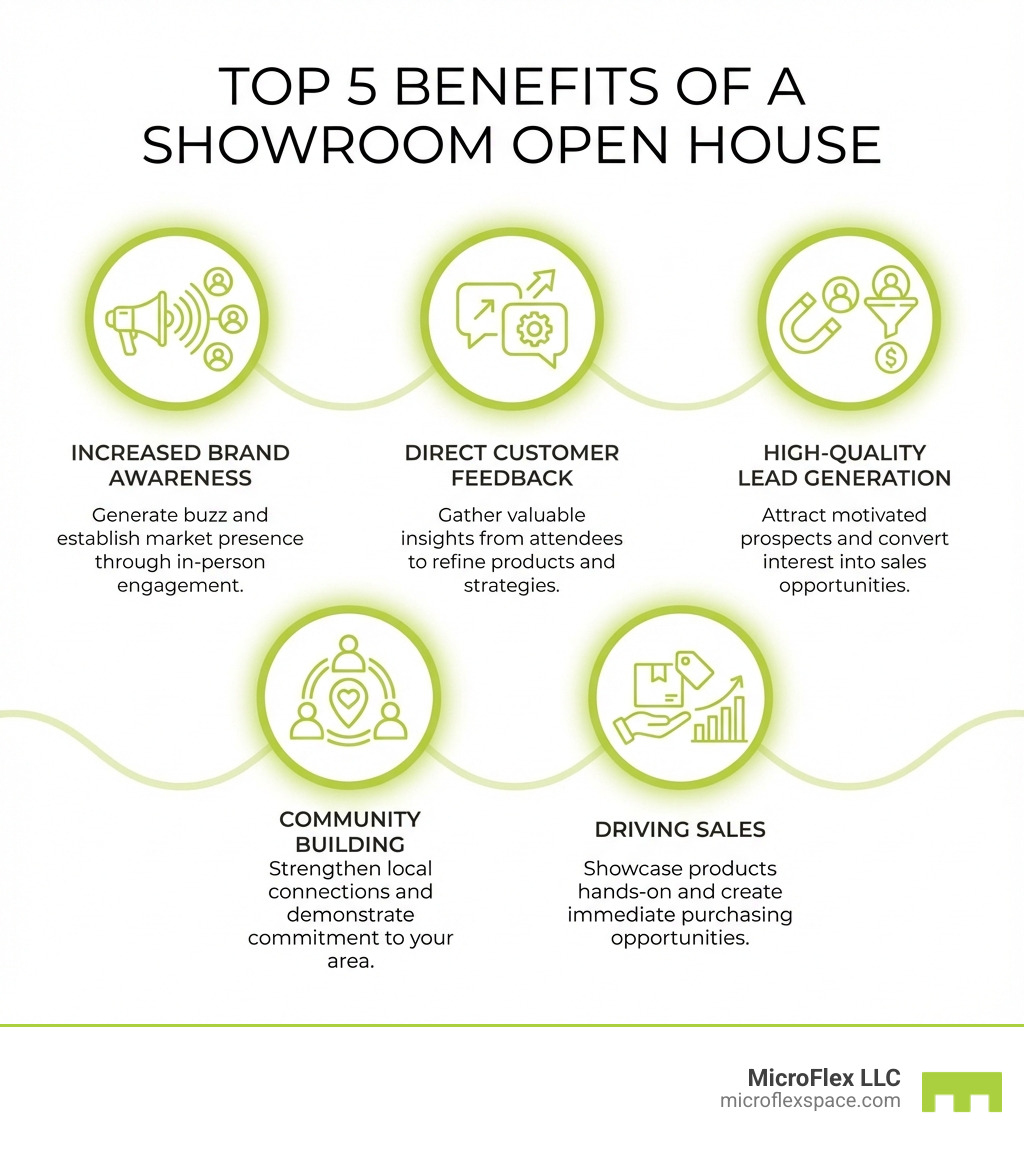
The primary purpose of hosting a showroom open house is multifaceted: it’s about opening your doors to cultivate relationships, generate buzz, and ultimately drive business growth. It’s a chance for potential clients, partners, and even prospective hires to learn about your business in a relaxed, informal setting. By investing in an appealing space and then showcasing it, you’re leveraging that investment to attract positive attention and new leads.

Think of it as a strategic platform for:
- Building Relationships: It’s a unique opportunity for face-to-face interaction, allowing us to build rapport and foster trust with attendees. Real estate, for example, is inherently a person-to-person business, and the same applies to many other industries.
- Generating Buzz and Awareness: Hosting an event enables us to create excitement and raise awareness about our business, products, or services. A well-organized event can generate powerful word-of-mouth marketing that travels through the community.
- Customer Appreciation: For existing clients, it’s a fantastic way to show gratitude for their support, strengthening loyalty and making them feel valued.
- Strengthening Community Connections: An open house demonstrates our commitment to the local community, fostering goodwill and positioning us as an engaged local entity.
- Gaining Valuable Feedback: These events are a goldmine for immediate feedback. Attendees often share their likes, dislikes, and concerns, providing invaluable insights that can help us refine our offerings and strategies.
- Showcasing Products and Services: The tangible experience of seeing, touching, and interacting with what we offer is unparalleled. It allows for hands-on demonstrations and highlights unique selling points that might not come across in digital formats.
For a deeper dive into making your commercial space work for you, check out our Flexible Commercial Space Ultimate Guide.
What are the Key Business Benefits?
Beyond the immediate objectives, the benefits of a well-executed showroom open house ripple through various aspects of our business:
- Tangible Experience: The ability for customers to physically step into a space, feel the ambiance, and interact with products or services creates a memorable experience that virtual platforms simply can’t replicate.
- Face-to-Face Interaction: This direct engagement allows us to address queries in real-time, provide additional insights, and build genuine relationships that form the groundwork for future collaborations.
- Increased Brand Awareness: By generating buzz and attracting a diverse range of attendees—including industry professionals, local business owners, and potential customers—we can significantly raise our brand’s profile and lift our reputation.
- High-Quality Lead Generation: Open houses are excellent for attracting motivated prospects. They offer a unique opportunity to convert casual interest into active leads by engaging visitors directly and collecting their information for follow-up.
- Boosted Employee Engagement and Morale: When employees are involved in showcasing their work and the company’s offerings, it can significantly boost their morale and foster a stronger sense of team and company culture. It’s a chance for them to shine!
- Showcasing Company Culture: An open house allows us to present our company’s values, professionalism, and hospitality in a dynamic, engaging way, which can be particularly appealing to potential hires and partners.
- Competitive Edge: In competitive markets, a creatively planned and flawlessly executed open house can set us apart from competitors, demonstrating our innovation and commitment to customer experience.
How Does an Open House Build Brand and Community?
A showroom open house is more than just a sales event; it’s a powerful tool for forging deeper connections and enhancing our standing within the community.
- Networking Opportunities: These events attract a diverse audience, including other local business owners, industry professionals, and community leaders. It’s a prime opportunity for us to network, find potential collaborations, and build valuable connections that can lead to referrals and partnerships.
- Local Business Collaboration: By partnering with local artists, caterers, or furniture stores to stage our space or provide refreshments, we not only improve the event’s aesthetics but also promote other community businesses. This creates a win-win situation, fostering a sense of local pride and mutual support.
- Demonstrating Community Commitment: Hosting an open house and inviting local residents, schools, or non-profits shows that we are an active and caring member of the community. This can generate positive public relations and a strong local reputation.
- Media Exposure: Inviting local press or engaging with community influencers can lead to valuable media coverage, further amplifying our brand’s reach and message.
- Building Trust and Credibility: By openly showcasing our operations, products, and team, we build transparency and trust. Displaying testimonials or success stories during the event can further reinforce our credibility and reliability.
The Perfect Venue for Any Business
The beauty of a showroom open house is its adaptability. While traditionally associated with real estate, many other types of businesses can benefit immensely from opening their doors:
- Furniture and Design: Allowing customers to experience pieces in a curated setting, feel materials, and envision items in their own homes.
- Automotive and Powersports: Dealers often host open houses at least once a year to bond with existing customers, show appreciation, and attract new ones, often aligning with seasonal interests.
- B2B Suppliers: Showcasing machinery, materials, or solutions to other businesses in a hands-on environment.
- Artists and Artisans: Opening studios to the public for sales, demonstrations, and direct interaction with creators, as seen in events like “Shop the Studios” in DUMBO.
- E-commerce Brands: Many online brands are now leveraging physical showrooms to allow customers to try products firsthand, leading to increased transaction value and reduced time between purchases. Glossier and M.M. LaFleur are great examples.
- Contractors and Trades: Displaying finished work, materials, or even offering workshops on home improvement topics.
- Professional Firms: Even businesses like law firms or marketing agencies can host open-house style events, such as coffee discussions or networking happy hours, to build relationships in a relaxed setting.
- Manufacturing or Research Facilities: While security can be a concern, well-orchestrated events can showcase operations to the community or potential partners.
For inspiration on how other businesses use showrooms, explore What is a Showroom? (+ 5 Examples to Inspire Yours).
Why a Flexible Space is Your Best Bet
For small businesses, the idea of a dedicated, large showroom space can seem daunting and expensive. That’s where MicroFlex steps in as the best alternative, offering adaptable multi-functional spaces perfect for hosting a showroom open house without the hefty overhead.
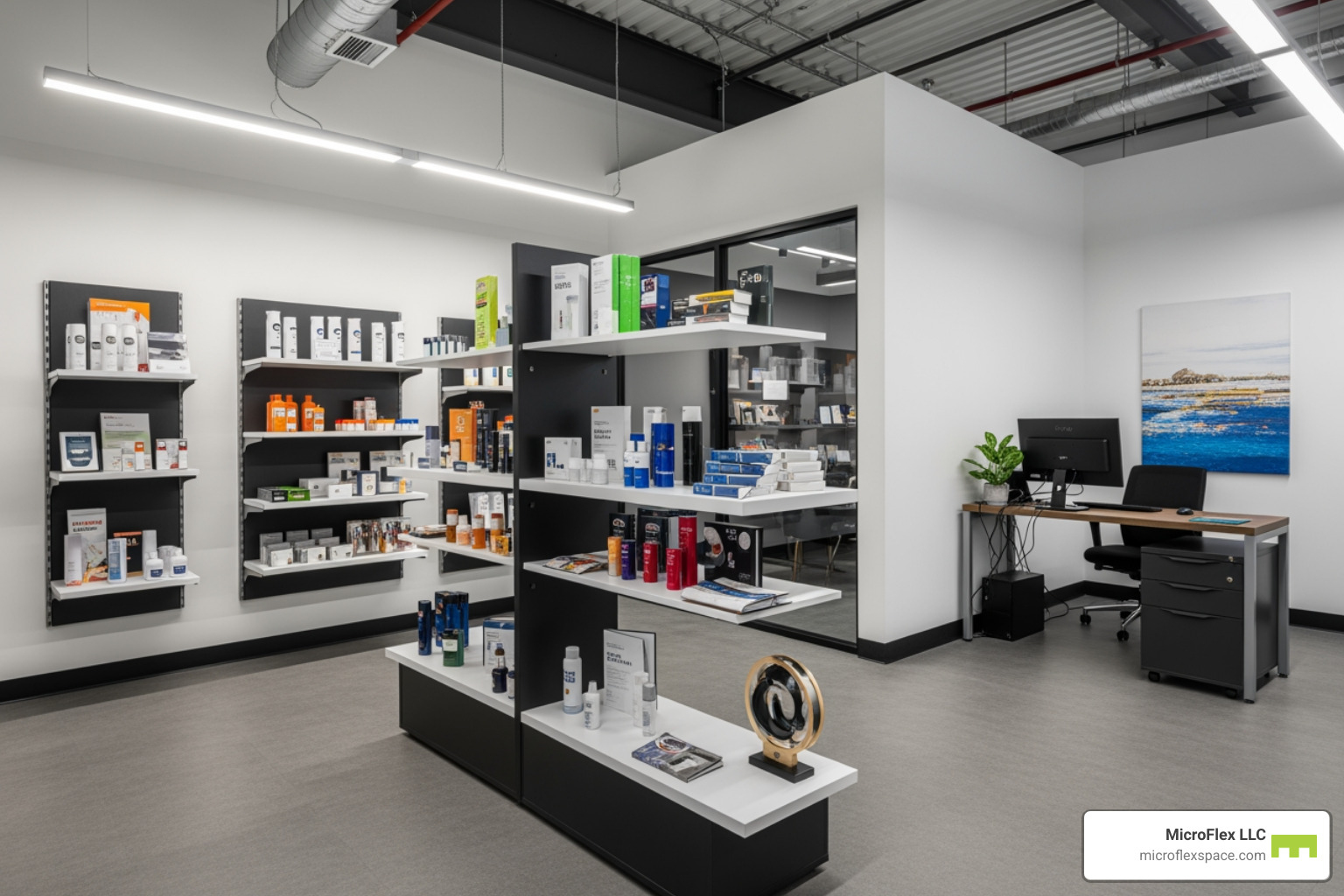
Our unique spaces, available in key Alabama locations like Auburn Opelika, Birmingham Irondale, Huntsville, and Birmingham Hoover, are designed to combine warehouse, office, storage, and showroom features seamlessly. This means you can:
- Combine Showroom, Office, and Warehouse: Imagine hosting your showroom open house in a beautifully lit area where your products are displayed, while a discreet office area allows you to manage inquiries, and a clean, accessible storage space keeps your inventory organized. No need for multiple leases or juggling different locations—it’s all under one roof. This versatility is a game-changer for businesses that need to showcase products while maintaining operational efficiency.
- Cost-Effectiveness: Investing in a large, traditional showroom can be a massive drain on your budget. MicroFlex offers flexible lease terms that allow you to pay for the space you need, when you need it. This significantly reduces fixed costs, making open houses and product showcasing accessible even for small businesses.
- Scalability for Growth: As your business grows, your space needs might change. Our flexible leasing options mean you can easily adapt your space, whether you need more room for a larger event or a smaller footprint during quieter periods. This adaptability is key for sustainable growth.
- Professional Image: Our spaces are clean, modern, and professional, ensuring that your showroom open house makes a fantastic impression. You get the benefit of a premium location without the premium price tag.
MicroFlex spaces offer the ideal multi-functional environment for showcasing products while running your business operations seamlessly. They provide the perfect backdrop for your next showroom open house, allowing you to focus on your guests and products, not logistical headaches. To see how our spaces can adapt to your needs, explore our Adaptable Business Solutions.
Your Blueprint for a Successful Showroom Open House
A successful showroom open house doesn’t happen by chance; it’s the result of meticulous planning and execution. A poorly planned event can lead to mediocre turnout and a loss on your investment, while a well-planned one can land new accounts and generate great exposure.
Here’s a blueprint to guide your planning:
- Planning Timeline: Start announcing your open house at least a month ahead of time. This gives you ample time to promote and organize. Avoid scheduling too close to major holidays, as this can significantly impact attendance. A customer once saw a last-minute hit on attendance because their open house was scheduled just days before the July 4th holiday.
- Setting Goals (KPIs): Before anything else, define what success looks like for your event. Are you aiming for lead generation, increased brand awareness, customer appreciation, or perhaps new hires? Clear goals will help you measure ROI later.
- Budgeting Tips: While open houses can be more cost-effective than other marketing options, they still require investment. Allocate funds for promotion, refreshments, activities, staffing, and any giveaways. Prioritize what will have the biggest impact for your specific goals.
- Choosing the Right Date: Consider your industry’s peak and off-peak seasons. For example, a powersports dealer might find mid to late spring ideal, avoiding the busy summer months. Always check for competing events in your area to avoid conflicts.
- Common Mistakes to Avoid:
- Poor planning: This is the biggest pitfall.
- Slow check-in processes: A bad first impression.
- Skipping food and drinks: Hospitality is key.
- Insufficient staff: Leaves guests feeling unattended.
- Lack of clear purpose: Results in a disjointed event.
Essential Planning Stages for Your Showroom Open House:
- Define Your Objectives: What do you want to achieve? (e.g., 20 new leads, 50 attendees, increased social media engagement).
- Set Your Budget: Determine how much you can realistically spend on venue, catering, marketing, staffing, and activities.
- Choose Your Date and Time: Select a date that maximizes attendance and avoids conflicts.
- Develop a Promotional Plan: How will you get the word out?
- Plan Activities and Entertainment: What will engage your guests?
- Staffing and Roles: Assign responsibilities to your team members.
- Logistics and Setup: Layout, signage, security, and cleaning.
- Follow-Up Strategy: How will you engage attendees after the event?
Essential Elements of Your Event Plan
Once you have your blueprint, it’s time to fill in the details. Each element contributes to the overall success of your showroom open house:
- Defining Objectives: As mentioned, this is paramount. Whether it’s showcasing your latest collection, celebrating an anniversary, or simply fostering community goodwill, clear objectives will guide every decision.
- Creating a Budget: Detail every expense: venue (if not your own flexible MicroFlex space), catering, advertising, decorations, entertainment, staff wages, and giveaways. Having a realistic budget prevents nasty surprises.
- Staffing Plan: Ensure you have enough team members to cover all roles: greeting guests, providing tours, demonstrating products, managing refreshments, and answering questions. Staff should be identifiable (e.g., matching apparel, name badges) and well-briefed. Consider assigning someone specifically for continuous cleaning during the event.
- Event Timeline: Create a minute-by-minute schedule for the day of the event, from setup to tear-down, including timings for demonstrations, speeches, and entertainment.
- Guest List and Invitations: Decide who you’re inviting (existing clients, prospects, partners, community members). Personalize invitations where possible, as specificity and personalization are more likely to encourage attendance. For businesses needing a dedicated space for such events, consider our Showroom Space Birmingham.
- Security and Logistics: Plan for crowd management, especially if expecting a large turnout. Ensure clear entry and exit points, adequate parking, and emergency procedures. Don’t forget ample trash cans!
Promoting Your Showroom Open House for Maximum Turnout
Effective promotion is the engine that drives attendance to your showroom open house. You need a multi-channel approach to reach your target audience:
- Digital Promotion: Leverage your online presence. Post about the event on your website and blog.
- Social Media Campaigns: Announce your event across all relevant platforms (Facebook, Instagram, LinkedIn, etc.). Consider boosting posts on hyperlocal social networks like local Facebook Groups and Nextdoor to reach community members directly. Live streaming parts of your open house can also generate online buzz and engage a wider audience.
- Email Marketing: Send out engaging email invitations to your existing customer base and any relevant mailing lists. Personalize these invites with high-quality images and a sneak peek of what attendees can expect.
- Local Advertising: Don’t underestimate traditional methods. Place ads in local newspapers, community newsletters, and on local radio if your budget allows.
- Partner Cross-Promotion: Collaborate with local businesses, vendors, or community organizations. They can help spread the word through their channels, expanding your reach to new audiences.
- Crafting Compelling Invites: Go beyond generic invites. Include high-quality images, a clear agenda, and a QR code linking to a teaser video or registration page. This generates genuine curiosity and anticipation. For tips on creating impactful invitations, check out Crafting compelling invites.
- RSVP Tracking: Implement a system to track RSVPs. This helps you gauge expected attendance for catering and staffing, and provides a valuable contact list for post-event follow-up. Visitor management software can streamline this, making check-ins easier and collecting data automatically.
Creating an Unforgettable Attendee Experience
The goal of your showroom open house is to leave a lasting positive impression. This means crafting an experience that is engaging, comfortable, and memorable.
- Event Themes: A well-chosen theme can lift your event from a simple viewing to an immersive experience. For instance, an “Island” theme in winter with relevant speakers and music can be memorable, or an “Oscar-themed” event with a red carpet and show tunes can add a touch of glamour.
- Activities and Entertainment: Keep attendees engaged! Consider hourly raffles for desirable items, live music, or even a local sports mascot appearance for family-friendly events.
- Product Demonstrations: This is your chance to shine. Offer hands-on demonstrations of your products or services. If you’re a contractor, showcase materials or even host a mini-workshop on a relevant topic. For a design firm, feature a local artist’s work.
- The Role of Food and Refreshments: This is non-negotiable. Providing high-quality refreshments makes attendees feel welcome, encourages them to linger longer, and fosters a relaxed atmosphere for conversation. Think beyond basic chips and peanuts; consider locally sourced coffee, pastries for morning events, or gourmet hors d’oeuvres with beer and wine for afternoon gatherings. For ideas on quality snacks, see High-quality snacks and appetizers.
- Staff Training and Engagement: Your staff are the face of your business. Ensure they are well-trained, knowledgeable, and enthusiastic. They should wear matching apparel and name badges for a professional look. A well-briefed team ensures a positive and memorable experience for everyone.
Integrating Technology and Unique Activities
To truly stand out, integrate modern technology and unique activities into your showroom open house.
- Interactive Displays: Set up tablets or interactive touchscreen displays. Attendees can explore 3D layouts, view virtual renovation options, or access additional product information. This merges the benefits of digital and physical experiences, offering a comprehensive view.
- Using QR Codes Creatively: Place QR codes around your space. Guests can scan them for touchless sign-ins, to access videos, detailed specs, or even virtual tours of different configurations. It’s a modern touch that improves the viewing experience. Learn more about creating them at Using QR codes creatively.
- Virtual Reality (VR) Tours: For larger products or complex services, offer VR experiences. This allows potential clients to visualize customization possibilities or experience a product in a simulated environment, enhancing their understanding and engagement.
- Live Demonstrations: Beyond product demos, consider live workshops or expert talks. A chef showcasing the capabilities of a kitchen, an interior designer offering customization tips, or a local artisan demonstrating their craft can add significant value and make the event more engaging.
- Inviting Vendor Partners: Collaborate with your suppliers or complementary businesses. They can offer insights, showcase new products, and even sponsor elements of your event, such as a coffee bar. This adds value for attendees and strengthens your business relationships.
- Giveaways and Swag Bags: A small token of appreciation goes a long way. Branded gifts or a “thank you” bag, even if modest, leaves a positive impression and keeps your brand top-of-mind.
- Creative Workspace for Rent: For businesses that need a dynamic environment to host such innovative events, our Creative Workspace for Rent at MicroFlex provides the perfect flexible setting.
After the Doors Close: Maximizing Your Event’s ROI
The success of your showroom open house isn’t solely measured by attendance on the day. The real work, and the real ROI, often comes after the doors close. A robust follow-up and feedback plan is crucial to convert interest into concrete business outcomes. The full success of an open house might not be measurable for 12-18 months after the event.
- Follow-Up Plan: You need a solid plan for keeping track of who attends so you can follow up with them later. This is where your lead generation efforts truly pay off.
- Lead Nurturing: Not every attendee will convert immediately. Implement a strategy to nurture these leads over time through targeted communication.
- Gathering Attendee Feedback: This is invaluable. Open houses are a goldmine for immediate feedback. By actively soliciting opinions, you can refine your strategies for future events and even make adjustments to your products or services.
- Measuring Success: Compare your actual outcomes against the KPIs you set during the planning phase. This includes attendance numbers, lead conversion rates, social media engagement, and any direct sales generated.
- Long-Term Impact Analysis: Look beyond immediate sales. Did the event strengthen community ties? Did it boost employee morale? These qualitative benefits contribute significantly to your brand’s long-term health.
For businesses looking for efficient ways to manage their operations and client interactions, our Small Business Office Solutions offer the perfect blend of functionality and flexibility.
Implementing a Crucial Follow-Up and Feedback Strategy
This phase is critical for turning your showroom open house into a strategic investment.
- Post-Event Email Campaigns: Send personalized thank-you emails to all attendees. Include links to relevant products, services, or follow-up resources. Segment your email lists based on interest shown during the event for targeted nurturing.
- Personalized Thank You Notes: For key prospects or partners, a handwritten note can make a significant impact, reinforcing the personal connection you started building at the event.
- Attendee Surveys: Use brief, engaging surveys (perhaps with an incentive like a prize draw) to gather constructive feedback on the event itself and your offerings. Ask about what they liked, what could be improved, and what they’re looking for. This incentivizes participation and provides valuable insights.
- Analyzing Metrics vs. Goals: Systematically compare your collected data (attendance, leads, feedback) against your initial objectives. Did you hit your targets? Why or why not?
- Calculating ROI: While some benefits are intangible, try to quantify the return on your investment. This might include direct sales, projected value of new leads, or increased brand mentions.
- Planning the Next Event: Use all the lessons learned from this event to make your next showroom open house even better. Consistency in holding well-planned events builds anticipation and loyalty.
Conclusion
A showroom open house is far more than just opening your doors; it’s a dynamic, strategic marketing tool that, when executed with precision and creativity, can yield significant returns. We’ve seen how these events serve as powerful platforms for building relationships, generating buzz, showcasing products, and strengthening community ties.
The power of a well-planned event lies in its ability to create a tangible, memorable experience that digital interactions simply cannot replicate. From the initial planning stages to the crucial post-event follow-up, every detail contributes to shaping how your business is perceived.
And the importance of the right venue cannot be overstated. Flexible spaces, like those offered by MicroFlex in Auburn Opelika, Birmingham Irondale, Huntsville, and Birmingham Hoover, empower businesses to host impactful showroom open house events without the burden of long-term, expensive leases. Our multi-functional units, combining showroom, office, and warehouse capabilities, provide the perfect adaptable environment for you to shine.
A showroom open house is a strategic investment in your brand’s growth and community presence. It’s an opportunity to connect, inspire, and convert, changing casual visitors into loyal customers and advocates.
For more insights on optimizing your commercial real estate strategy, consult our Commercial Property Birmingham Ultimate Guide.