What to Know Before Signing a Yoga Studio Facilities Lease
A yoga studio facilities lease shapes nearly every aspect of how your wellness business operates — from the classes you can offer to the equipment you can store and the clients you can serve.
Here is a quick summary of what matters most:
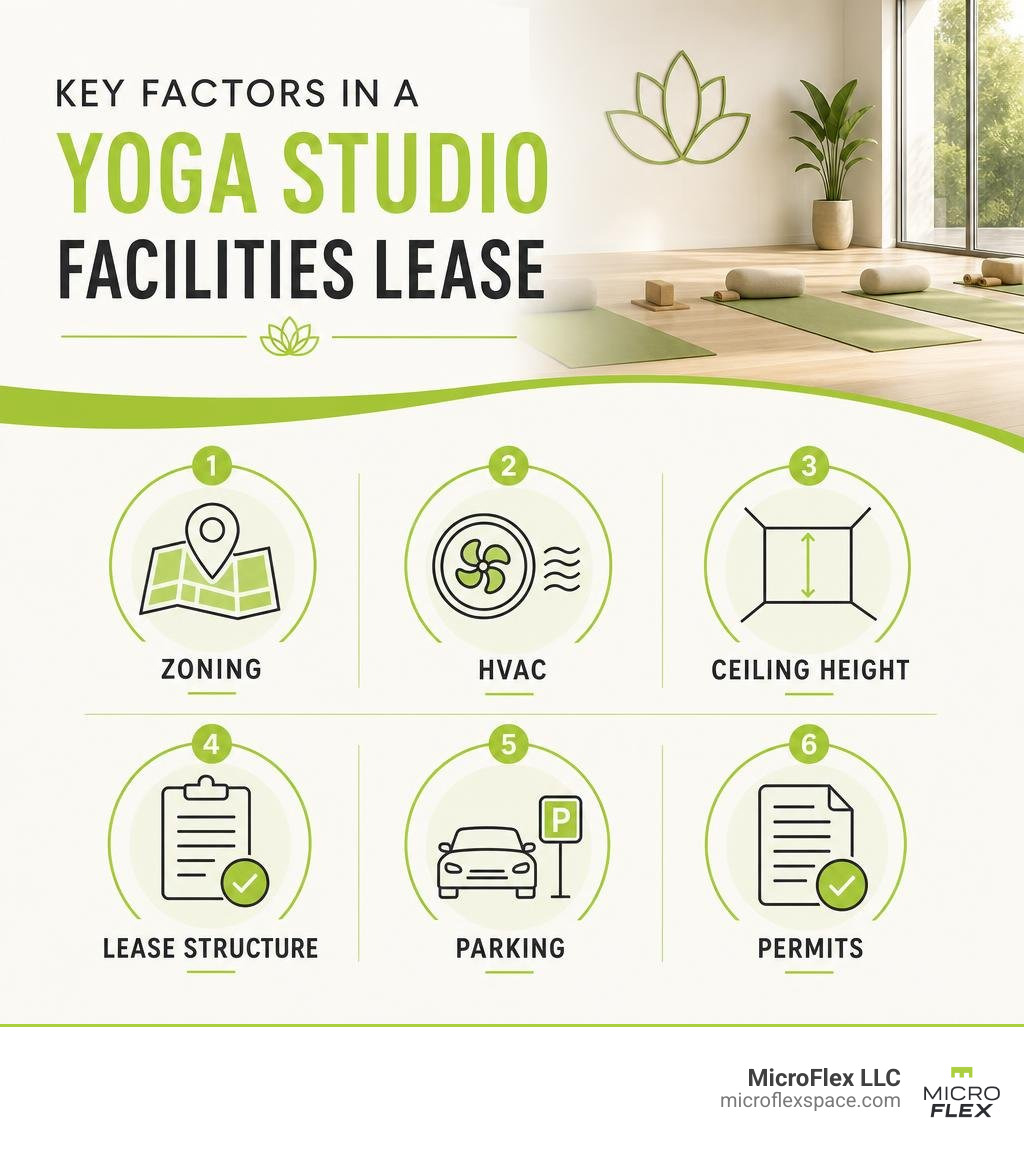
- Zoning — confirm the space is classified for fitness or health club use in your municipality before signing anything
- Physical space — look for ceiling height of at least 10 feet, open bay layout, and flooring suitable for movement
- Climate control — HVAC capacity is critical, especially for heated yoga formats
- Lease structure — understand what is included in base rent versus operating costs (CAM charges, utilities, maintenance)
- Parking and accessibility — local codes often set minimum parking ratios based on square footage; confirm compliance early
- Tenant improvement allowance — negotiate for landlord contributions toward flooring, mirrors, and HVAC upgrades before you sign
- Permits — a change of use permit is typically required when converting retail or office space to a fitness use
These factors determine whether a space is truly workable for a yoga studio — or just looks good on paper.
I’m Chase Carroll, a real estate developer and small business transaction advisor with 12 years of experience guiding operators through commercial space decisions, including yoga studio facilities leases and other wellness business setups. The sections below walk through each of these considerations in practical detail, so you can evaluate a space with confidence before committing.
Yoga studio facilities lease terminology:
Key Considerations for a Yoga Studio Facilities Lease
Securing commercial real estate for a wellness business involves navigating municipal codes, building designs, and operational expenses. Unlike traditional retail or office tenants, fitness operators have distinct needs that directly affect client comfort and safety. Finding a property that balances these demands requires evaluating zoning compliance, parking availability, and overall accessibility.
Municipal zoning codes often classify yoga and fitness studios under health clubs or athletic facilities. This classification means you cannot simply lease any vacant retail storefront or office suite. If the property is not already zoned for fitness use, obtaining a variance or conditional use permit can add months to your timeline.
Parking requirements represent another major factor that surprises many operators. Municipalities typically calculate required parking spaces based on the square footage of the facility. For example, some local codes require one parking space for every 100 square feet of floor area for fitness uses, which is much higher than the parking ratios required for general retail or office spaces. If a space lacks dedicated or shared parking to meet these ratios, the municipality may deny your occupancy permit.
Accessibility is also a key factor. Your studio must comply with the Americans with Disabilities Act (ADA), which affects entryways, restroom configurations, and corridor widths. When evaluating a potential yoga studio facilities lease, checking these compliance details early prevents costly delays before you open your doors.
Physical Requirements of a Yoga Studio Facilities Lease
The physical characteristics of the building itself dictate the quality of the student experience. A functional yoga space requires specific structural elements to accommodate movement, breathwork, and relaxation.
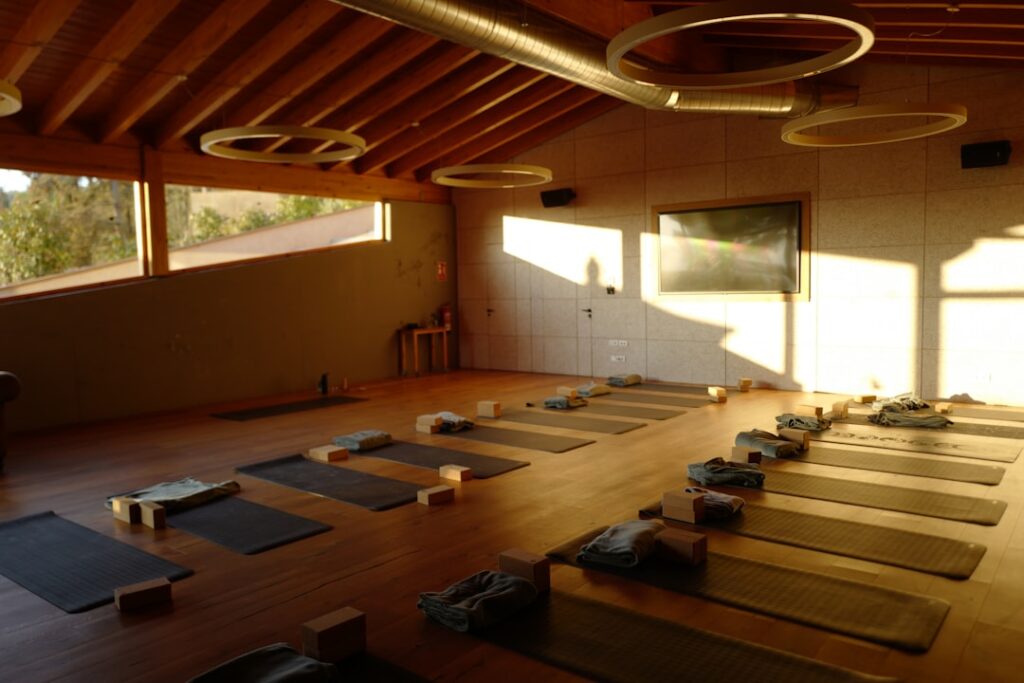
Ceiling height is one of the most critical structural features. High ceilings, ideally 10 feet or more, prevent the room from feeling cramped during standing poses or inversion practices. Low ceilings can restrict movement and make the space feel smaller and less inviting.
Natural light is another highly valued feature in wellness spaces. Large windows or glass doors create a bright, open atmosphere that enhances the studio aesthetic. When natural light is limited, the space must have dimmable lighting systems to allow instructors to adjust the ambiance for different styles of classes.
Flooring options are equally important. Traditional concrete subfloors are too hard for active movement and can cause joint strain. Many operators install sprung wood flooring or specialized athletic vinyl to provide impact absorption. If you are leasing a space with existing concrete floors, you will need to budget for flooring underlayments or specialized mats.
An open bay layout with minimal interior columns is ideal for yoga instruction. Columns block the sightlines between the instructor and the students, which can limit the number of usable mats in a class. Selecting a space with a clear, unobstructed span allows you to maximize your floor plan. For those seeking adaptable layouts, you can Learn more about affordable studio space options that provide open space templates.
Zoning and Permitting for Fitness Uses
Before committing to a lease, verifying the municipal codes and permitting requirements for your specific address is essential. Every city has unique regulations regarding where fitness businesses can operate and what documentation is required.
In many jurisdictions, fitness studios fall under assembly occupancy classifications. This classification triggers specific fire safety codes, including minimum exit widths, illuminated exit signs, and fire extinguisher placements. If the space was previously used for standard retail or office tasks, you will likely need to secure a change of use permit from the local building department.
Securing a change of use permit typically requires submitting detailed floor plans and architectural drawings to the city for review. This process can take anywhere from four to 12 weeks, depending on the municipality. During this time, the city will verify that the building meets current building, plumbing, and electrical codes for the new use.
Additionally, you must secure a standard business license and pass inspections from the local fire and health departments. Because these steps require coordination with multiple government agencies, we recommend verifying the zoning status of the property using local planning databases before executing a lease. You can Understand local zoning and permitting guidelines by reviewing our regional location overviews.
Operational Advantages of Flex Space for Yoga Instructors
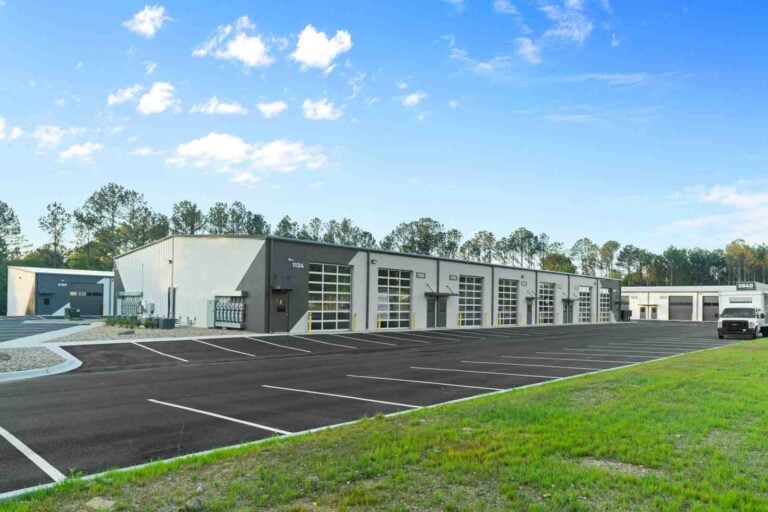
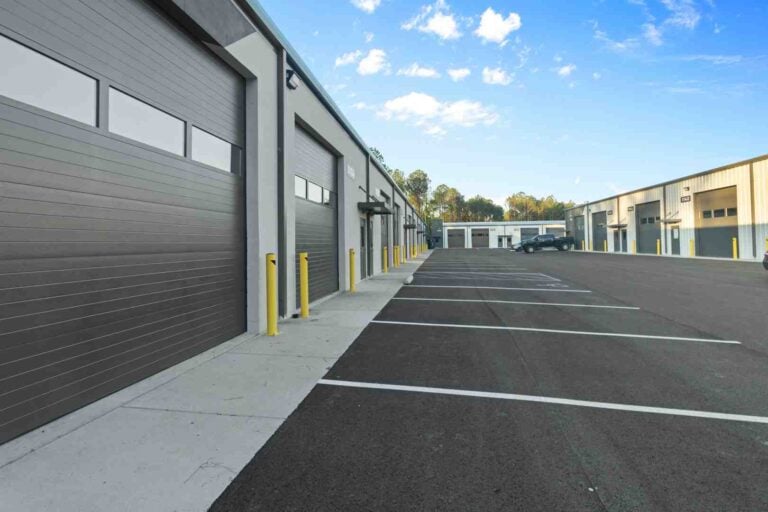
Small-bay industrial and flex spaces offer a highly functional alternative to traditional retail shopping centers or commercial office buildings. These properties combine open layouts with practical industrial features that simplify daily operations for wellness business owners.
One of the primary benefits of flex space is the presence of drive-up access and loading zones. Many flex units feature ground-level roll-up doors, which make loading and unloading heavy equipment, retail inventory, or workshop supplies incredibly straightforward. Instead of carrying heavy mats, blocks, and bolsters through a crowded retail lobby or up an elevator, you can back a vehicle directly up to your studio entrance.

Flex spaces also provide excellent storage solutions. The open bay design allows you to dedicate a portion of the unit to retail inventory, spare equipment, or cleaning supplies without compromising the main practice area. This separation keeps the public area tidy and organized for your clients.
Climate Control and Ventilation Needs
Proper climate control is a fundamental requirement for any fitness facility. Yoga classes generate heat and humidity, which must be managed to maintain a comfortable and hygienic environment.
Standard commercial HVAC systems are often designed for office occupancy and may not have the capacity to handle the heating and cooling demands of a fitness group. A functional studio requires a robust system capable of rapid air exchange and precise temperature regulation. This is especially true if you plan to offer heated classes, which require specialized heating panels and enhanced ventilation to prevent moisture buildup on walls and ceilings.
Air filtration is another important consideration. High-efficiency filters help maintain clean air quality, which is essential for deep breathing exercises. When evaluating a lease, confirm who is responsible for maintaining and repairing the HVAC equipment. In many commercial leases, the tenant is responsible for routine maintenance, while the landlord handles major repairs or replacements.
It is worth noting that climate control features can vary. For example, at our rebranded Auburn-Opelika location, climate control varies by unit, as some units have HVAC systems while others do not. At our purpose-built locations in the Birmingham metro and Huntsville, climate control is integrated throughout the facility. You can Read about climate control in flex spaces to understand how different systems impact your operations.
Structuring a Yoga Studio Facilities Lease
Understanding the financial structure of your commercial lease is critical to managing your monthly operating expenses. Commercial leases are structured differently than residential leases, with various methods for allocating building expenses.
Our properties utilize a one-year modified gross lease structure. Under a modified gross lease, the tenant pays a predictable monthly base rent, while the landlord covers certain building expenses. This structure provides greater financial predictability compared to triple net leases, where tenants are responsible for their pro-rata share of all common area maintenance (CAM) charges, real estate taxes, and building insurance.
Predictable operating costs allow you to budget effectively during your first year of operation. When reviewing lease options, always clarify which utilities are metered individually and which expenses are included in your base rate. Straightforward lease terms help you focus on growing your business rather than navigating complex financial reconciliations. To explore how these structures work in practice, you can Understand commercial studio lease structures on our dedicated platform guide.
Layout and Configuration Options for Wellness Studios
Flex space configurations can be adapted to accommodate the distinct functional zones of a wellness studio. A typical layout includes a reception area, a main practice floor, changing spaces, and equipment storage.
The entrance area serves as the transition zone for your clients. This space should have room for a small check-in desk, cubbies for shoes and personal belongings, and a seating area. Keeping this zone separate from the main practice room helps minimize distractions during classes.
For properties with mezzanine levels, such as our FLEX Premium and FLEX Ultimate configurations, you can utilize the vertical space to expand your floor plan. The ground floor can be dedicated entirely to the practice studio and restrooms, while the mezzanine level can serve as a private office, an employee breakroom, or additional storage.
The table below outlines how different configurations can support a wellness or fitness studio layout:
| Configuration Tier | Ground Floor Features | Upper Level Features | Best Use Case |
|---|---|---|---|
| FLEX | Open bay, climate control, private restroom | None | Single-room practice studio with integrated storage |
| FLEX+ | Open bay, climate control, private restroom, enclosed rear office | None | Studio with a dedicated private office or consultation room |
| FLEX Premium | Open bay, climate control, private restroom | Mezzanine level | Studio with separate ground-floor practice space and mezzanine storage or office |
| FLEX Ultimate | Open bay, climate control, private restroom, premium finish | Full mezzanine level | Multi-room wellness facility with dedicated reception, practice, and administrative areas |
Maximizing Usable Square Footage
When planning your studio layout, utilizing both horizontal and vertical space is key to maximizing your usable square footage. High ceilings allow you to install vertical shelving or wall mounts for storing mats, foam rollers, and yoga blocks, keeping the floor clear for active use.
Equipment staging is another important consideration. If you host workshops or offer different styles of classes that require different props, having a designated staging area near the main floor allows for quick transitions between sessions. This efficiency is vital if you schedule classes close together.
By planning your layout carefully, you can create a multi-functional space that accommodates group classes, private sessions, and administrative tasks without feeling cluttered. For practical design strategies, read our Tips on designing the perfect multi-function business space for growth.
Frequently Asked Questions about Yoga Studio Leases
What are the typical zoning requirements for a yoga studio?
Yoga studios are generally classified under health club, fitness, or assembly occupancy zoning codes. Before leasing a space, you must verify that the local municipal codes permit fitness uses at that specific address. If the property was previously used for retail or office purposes, you will typically need to apply for a change of use permit and pass building and fire safety inspections before opening.
How does climate control impact a yoga studio space?
Climate control is essential for managing the temperature, humidity, and air quality of a fitness space. A reliable HVAC system ensures that the room remains comfortable during active classes and warm enough during restorative sessions. For heated formats, specialized heating systems may be required, along with enhanced ventilation to manage humidity and prevent condensation.
What lease terms are standard for small-bay flex spaces?
Small-bay flex spaces typically offer straightforward lease agreements. Our properties utilize a one-year modified gross lease, which provides a predictable monthly rent structure. This lease type simplifies your financial planning by combining base rent and standard building operating expenses into a single, consistent payment, allowing you to avoid the fluctuating CAM charges associated with triple net leases.
Conclusion
Finding the right space for a wellness business requires balancing municipal regulations, physical building features, and operational costs. A well-planned yoga studio facilities lease provides the structural foundation your business needs to support your clients and instructors.

MicroFlex® offers purpose-built small-bay flex spaces designed to support modern business operations. With locations in the Birmingham metro (Irondale and Hoover), Huntsville (Slaughter Rd. and South Memorial), and Auburn-Opelika, our properties provide the open layouts, climate control, and drive-up access that fitness and wellness operators require. We are also expanding our footprint with new locations coming soon to North Carolina and Georgia. If you are ready to evaluate a space for your studio, you can Book a tour at one of our locations to view our available configurations.
This article is published by Founders Investment Properties, LLC, owner and operator of MicroFlex®. Content is provided for general informational and educational purposes only. Nothing in this article constitutes legal advice, tax advice, financial advice, investment advice, insurance advice, real estate brokerage advice, or any other form of professional advice. Readers should consult their own attorneys, accountants, tax professionals, insurance brokers, and licensed real estate professionals before making decisions based on the topics discussed.
MicroFlex® is a registered trademark of Founders Investment Properties, LLC. Photos may be representative and may not reflect a specific location. Product configurations, features, lease terms, pricing, and availability are subject to change. Current information is available at microflexspace.com or by contacting the leasing team directly.
Real estate transactions involve legal, financial, and regulatory complexity. Consult a licensed real estate professional in your state before making real estate decisions.