


Why the Custom Furniture Business Is Thriving Right Now
A custom furniture business offers a unique path to profitability by combining craftsmanship with entrepreneurship. Custom makers can command premium prices for one-of-a-kind pieces while building direct relationships with customers who value quality over mass production.
Key factors driving custom furniture success:
- Market size: The global furniture market is forecasted to reach $800,596 million by 2025
- Consumer demand: Searches for custom home goods on Etsy have increased as much as 4,000 percent in recent years
- Growth rate: Many custom furniture businesses experience 20% year-over-year growth
- Revenue potential: A fairly successful custom furniture operation can generate $1 million in annual revenue
- Profit margins: Wholesale profit margins average around 40%, though net retail margins are typically 2% after expenses
The furniture industry is experiencing a “mini-boom” in custom woodworking. This growth stems from consumers seeking artisanal, hand-crafted alternatives to mass-market furniture of declining quality. Many are also turning away from big retail chains due to concerns about durability and corporate values.
Technology has also changed the game. CNC machines are more accessible, and social media provides powerful, low-cost marketing channels that allow makers to sell nationally from lower-cost areas.
The path from hobbyist to profitable business owner isn’t just about woodworking. Many custom furniture makers are career changers who quickly find that running a successful business requires an entirely different skill set than crafting beautiful pieces.
I’m Chase Carroll, and through my work developing flexible commercial spaces, I’ve seen how custom furniture business owners can thrive with the right workshop space, business plan, and market position. I help entrepreneurs find practical solutions that support both their craft and their bottom line.
The Allure of Bespoke: Why Customers Choose Custom
Why are more people choosing to wait weeks—and often pay more—for custom furniture business creations instead of buying mass-produced pieces? The answer lies in a fundamental shift in consumer values. Understanding these motivations is key to building a profitable operation.
The Value of Uniqueness
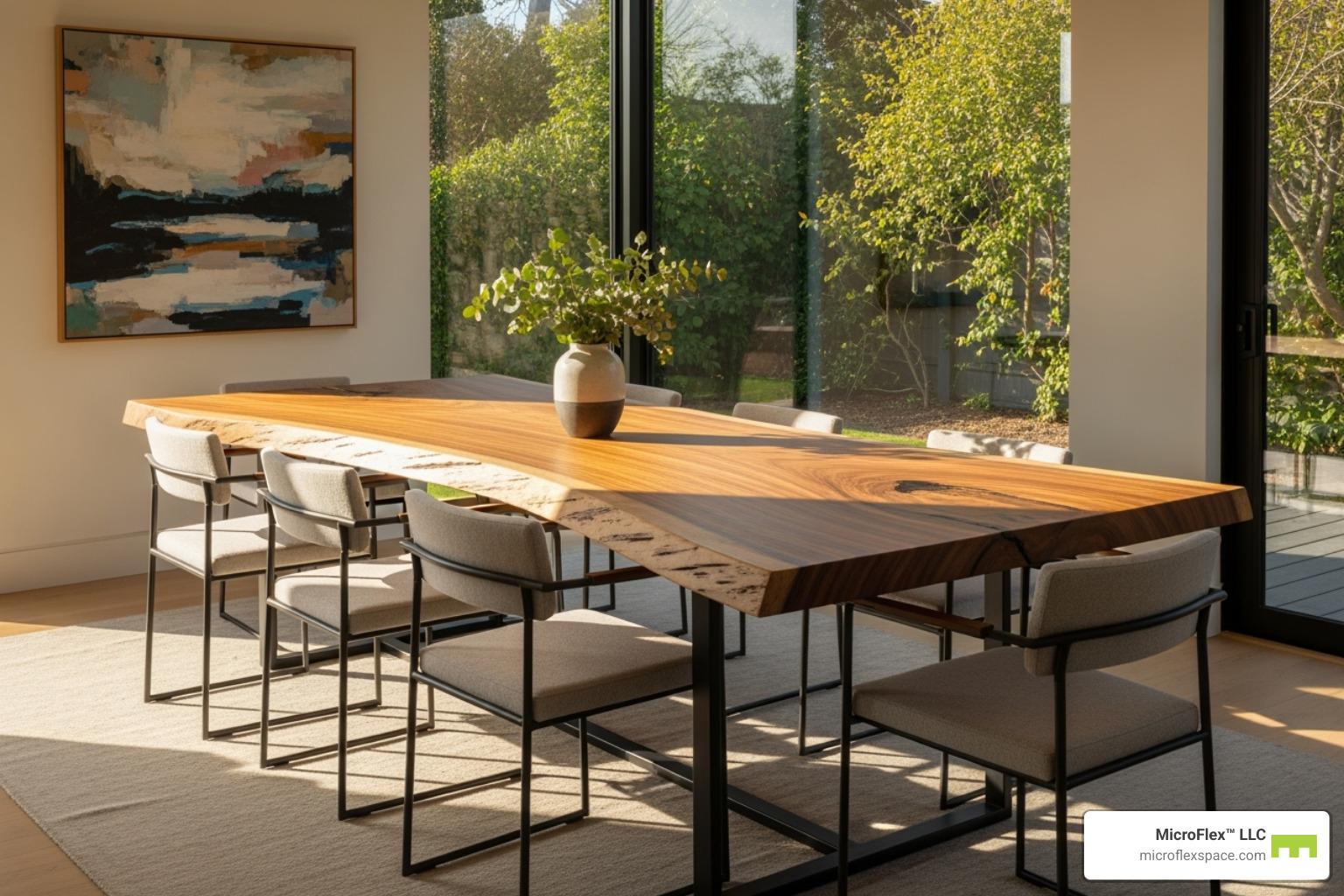
In an age of mass production, true uniqueness is rare and valuable. Customers aren’t just buying a table; they’re investing in self-expression and creating a home that reflects who they are.
This often starts with a practical problem, like an awkward alcove that standard furniture won’t fit. By offering custom dimensions, you solve a spatial puzzle and create something beautiful and perfectly suited to the space. Personalization extends to every detail, from specific wood species like walnut or oak to custom finishes that match existing decor. This level of control is impossible to find in a traditional retail setting.
Quality and Sustainability as a Selling Point
Consumers are increasingly aware that modern mass-market furniture isn’t built to last. As research shows, furniture quality has declined, leaving people frustrated and seeking alternatives.
Custom furniture offers a clear contrast. Makers use hand-selected materials and traditional joinery techniques like dovetails and mortise and tenon joints, which have proven their strength over centuries. The result is furniture with genuine heirloom potential—investments that can be passed down through generations. This durability vs. disposable furniture conversation resonates with customers tired of the buy-replace-discard cycle.
Sustainability is another compelling factor. Many makers use locally sourced wood and eco-friendly finishes, reducing environmental impact. This consciousness matters to buyers who want to know where their furniture comes from. The direct connection to the maker creates a level of transparency that big-box retailers can’t match. This growing dissatisfaction with retail quality, combined with long lead times and poor service from major retailers, drives customers to custom makers who offer personal attention and a commitment to quality.
Building Your Business: From Craftsman to CEO
Starting a custom furniture business means being more than a craftsman; it means becoming a CEO. The real challenge is learning to run a business while still finding time to build furniture. This transition catches many talented makers off guard, as the reality of entrepreneurship is far different from the dream of spending all day in the workshop.
The Custom Furniture Business Model vs. Traditional Retail
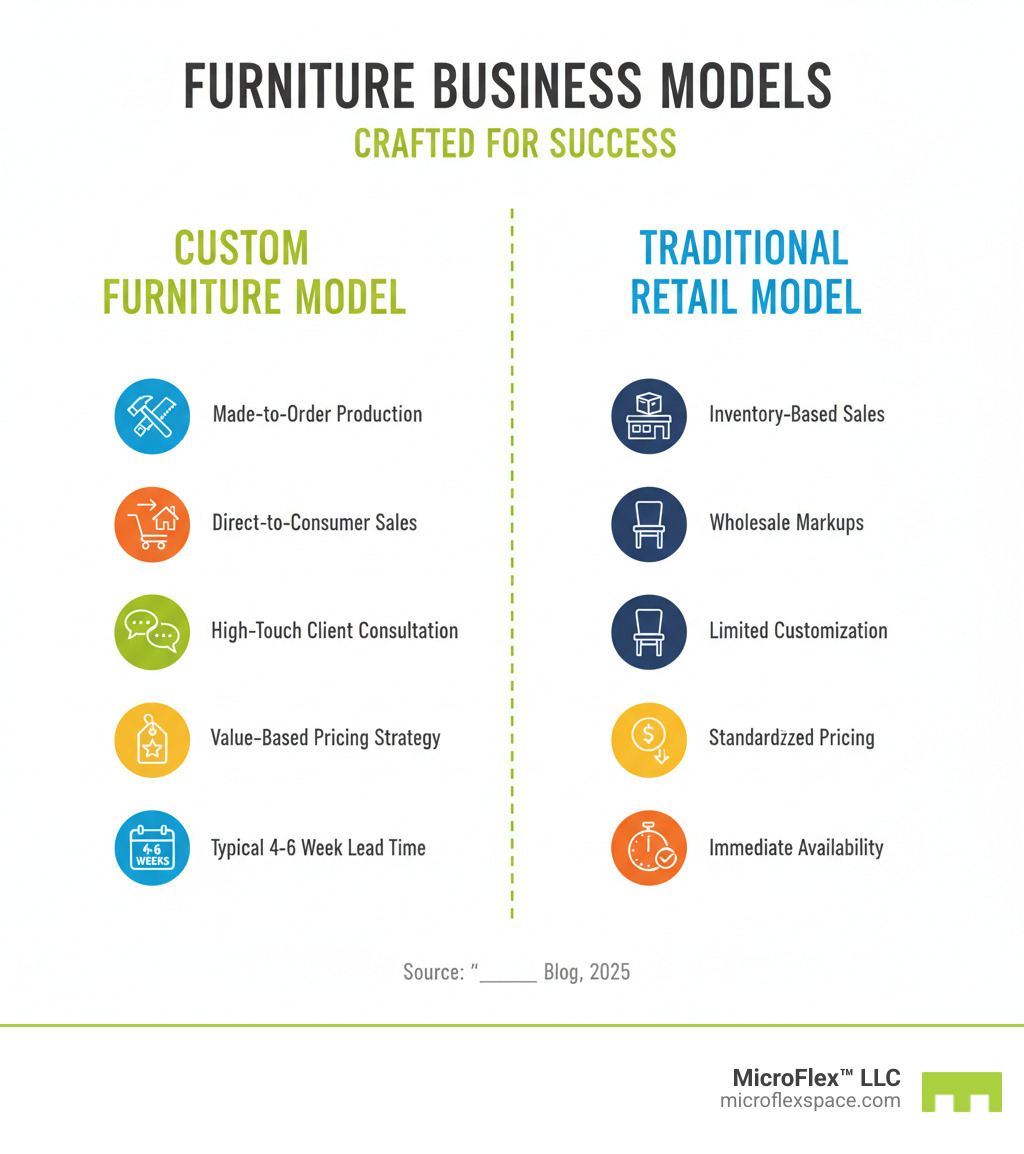
Your business model is fundamentally different from traditional retail. Instead of selling mass-produced inventory, you operate on a made-to-order model. This direct-to-consumer approach cuts out middlemen, but it requires a high-touch client process involving detailed consultations and communication. This relationship-driven model allows for value-based pricing that reflects your unique craftsmanship. The tradeoff is longer lead times, but clients seeking custom work understand and expect this.
Essential Skills Beyond the Workshop
Once you launch, you’ll spend less time making furniture and more time running the business. The skills that will make or break your business have little to do with woodworking:
- Business planning: A comprehensive plan outlining your niche, target market, and financial projections is your foundation for profitability.
- Financial literacy: You’ll need to manage budgets, price jobs accurately, handle invoicing, and track every expense to stay profitable.
- Client communication: Excellent customer service, from active listening to managing expectations, turns one-time clients into repeat customers.
- Project management: Juggling multiple builds, coordinating materials, and meeting deadlines is crucial.
- Marketing and branding: You must develop a visual identity, create compelling photography, and manage social media to attract clients.
- Digital proficiency: Using tools for design like Canva, website management, and accounting is essential.
Many successful makers are career changers who bring these skills from previous jobs. You can also hire freelance help for specific tasks to focus on what you do best.
Calculating Startup Costs for Your Custom Furniture Business
Starting a custom furniture business requires careful financial planning. Costs vary dramatically depending on your scale.
A hobbyist side-hustle can start modestly, often from a home garage, with an initial investment of $3,700 to $14,000. This covers basic tools, registration, insurance, a simple website, and project-specific materials.
A full-time professional workshop is a much larger investment, ranging from $14,500 to $122,000+. This includes advanced machinery, commercial rent, comprehensive insurance, professional marketing, and a larger material inventory.
| Category | Hobbyist Side-Hustle (Initial) | Full-Time Professional Workshop (Initial) |
|---|---|---|
| Machinery & Tools | $2,000 – $10,000 (basic power tools) | $10,000 – $100,000+ (CNC, specialized) |
| Workshop Rent/Space | Minimal (home garage/basement) | $500 – $5,000+ per month (commercial space) |
| Business Registration & Legal | $100 – $500 (DBA, basic licenses) | $500 – $2,000+ (LLC, permits, legal advice) |
| Insurance | $500 – $1,000 (basic liability) | $1,000 – $5,000+ (general liability, workers’ comp) |
| Website & Marketing | $100 – $500 (DIY website, social media) | $500 – $5,000+ (professional site, ads) |
| Initial Material Inventory | $500 – $2,000 (project-specific) | $2,000 – $10,000+ (bulk buying, variety) |
| Total Estimated Startup | $3,700 – $14,000 | $14,500 – $122,000+ |
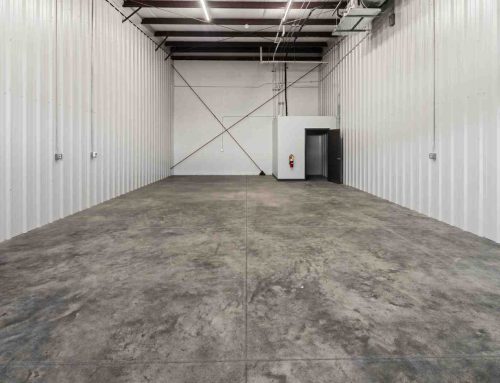
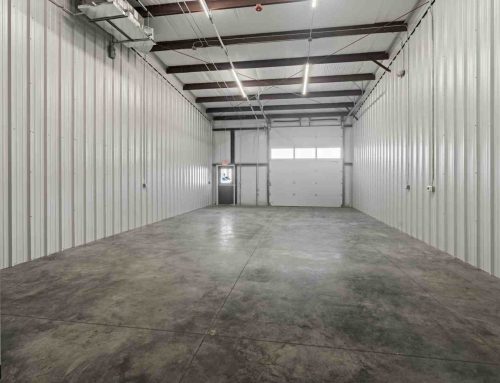
While the furniture industry has slim net profit margins (around 2%), a successful custom business owner can still earn $150,000 to $300,000 annually by managing costs effectively. Finding the right workspace is crucial. A home garage works initially, but scaling requires dedicated space. A flexible commercial workshop for rent can adapt as your needs change, serving as a workshop, office, and showroom without the commitment of a long-term lease. The transition from craftsman to CEO is challenging but achievable with the right plan.
The Blueprint for Success: Operations and Marketing
Once your custom furniture business is founded, daily operations and marketing become the engines for growth. Success requires creating a seamless client experience and getting your work in front of the right people.
The Client Journey: From Concept to Creation
The client relationship is a collaborative partnership built on trust. Guiding clients through this journey is key.
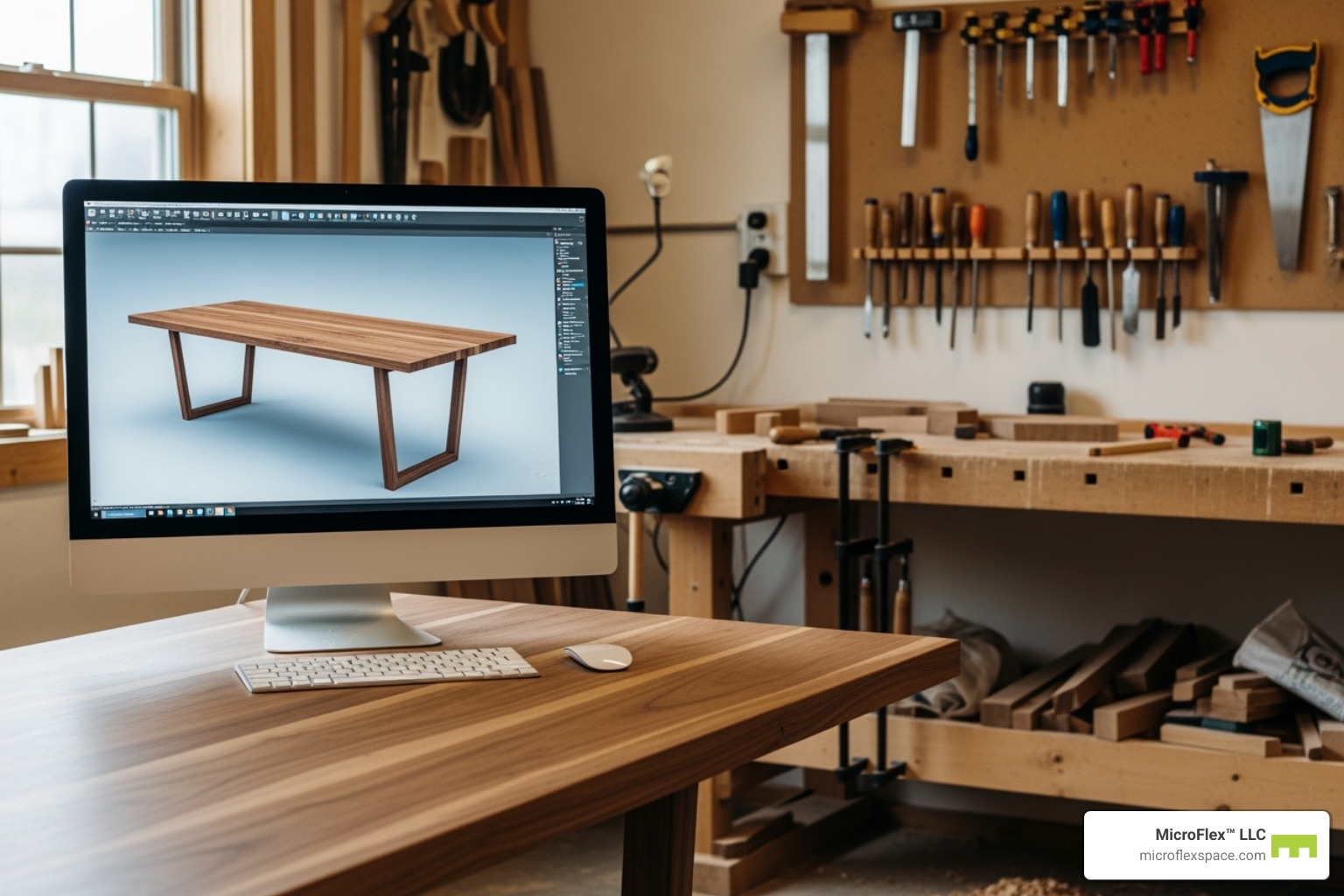
- Initial Consultation & Design: Start by listening to the client’s vision and needs. Use tools like CAD software for design and 3D rendering to help them visualize the final piece, ensuring it’s “picture-perfect” before you begin.
- Quote, Contract, & Material Selection: Provide a detailed quote and contract outlining costs, lead time, and specifications. Involving clients in material selection deepens their connection to the project.
- Production & Delivery: Keep clients engaged with production updates, such as photos or videos of the process. Finish with a white-glove delivery service, carefully installing the piece in their home to cement your reputation for quality and care.
Marketing Your Craft in the Digital Age
You can practice a traditional craft while using cutting-edge digital marketing. The internet allows small makers to compete nationally.
- Portfolio Website: Your site is your digital showroom. Use platforms like WordPress or Squarespace to showcase high-quality photos of your work and make it easy for clients to contact you.
- Social Media: Visual platforms like Instagram and Pinterest are powerful for attracting customers. High-quality images and ‘makefluencer’ video content showing your process can build a large following, allowing you to sell to higher-paying markets from a lower-cost area.
- Collaborations and SEO: Build relationships with interior designers for a steady source of referrals. Use Local SEO to attract clients in your immediate area searching for terms like “custom furniture Birmingham AL.”
- Marketing Tools: Use tools like Canva for graphics, Hootsuite for scheduling posts, and Business Model Canvas templates for strategic planning.
Overcoming Challenges and Scaling Your Business
Every custom furniture business faces growth obstacles. Planning for them is key.
- Managing long lead times: Custom work takes time (often 4-24 weeks). Set realistic expectations and communicate clearly.
- Competition from big-box stores: Differentiate with superior quality, unique design, personal service, and a compelling brand story.
- Finding skilled labor: As you grow, finding craftspeople who meet your standards is critical. Consider apprenticeship programs to train new talent.
- Expanding production capacity: Scaling often requires more space. The challenge is to grow without compromising the quality and personal touch that made you successful.
For businesses ready to expand, MicroFlex offers flexible industrial space solutions across Alabama. Our multi-functional units in Auburn Opelika, Birmingham Irondale, Huntsville, and Birmingham Hoover can serve as a workshop, office, and showroom, with lease terms that adapt as your business grows.
Frequently Asked Questions about the Custom Furniture Business
Here are answers to common questions from aspiring custom furniture makers.
How much can a custom furniture business owner make?
Earning potential for a custom furniture business owner is attractive but varies. A successful operation can achieve $1 million in annual revenue. While the broader industry has thin net margins (around 2%), custom makers command higher margins on individual pieces. This can translate to a personal annual income of $150,000–$300,000 for an established, efficient business owner.
Key factors affecting your income include an effective pricing strategy, production efficiency, your chosen market niche, and a strong brand reputation. Your ability to scale without sacrificing quality is also crucial.
What is the best way to price custom furniture?
Pricing is both an art and a science. Use a combination of cost-plus and value-based pricing.
First, use the cost-plus method to calculate your base price. This includes:
- Materials: All wood, hardware, and finishes.
- Labor: Your hourly rate multiplied by the time spent on design, fabrication, and client communication.
- Overhead: Your share of rent, utilities, insurance, and other business expenses.
- Profit Margin: Add a 20-50% margin on top of your total costs.
Next, adjust this price based on value. Consider the worth of uniqueness and customization, the quality and durability of an heirloom piece, and your own expertise and brand. Research market demand to see what similar pieces sell for. Always provide a transparent quote and don’t be afraid to charge what your work is worth.
Do I need a physical showroom to start?
No, a dedicated physical showroom isn’t necessary to start a custom furniture business. Many successful makers begin with a strong online presence and a flexible workspace.
Your online portfolio (website, Instagram, Pinterest) acts as a virtual showroom with almost no overhead. Instead of expensive retail space, consider a multi-functional creative workspace. MicroFlex offers solutions that can be your production area and a professional meeting point for clients. Learn more about the benefits of a creative workspace.
You can also use by-appointment viewings at your workshop, which improves the exclusive nature of your business. Collaborating with interior designers or local galleries is another way to display your work without the cost of a dedicated showroom. Starting lean allows you to build your brand and scale smartly.
Conclusion: Crafting Your Profitable Future
The custom furniture business offers a path to pour your creativity into a tangible, thriving enterprise. The market is ready for quality, character, and craftsmanship as consumers turn away from flimsy, mass-produced goods.
However, success requires more than woodworking skill. The transition from craftsman to CEO means mastering business planning, finance, marketing, and client relations. This is what separates a hobby from a business earning $150,000–$300,000 annually.
You can start where you are, but the right workspace is critical. Your workshop is more than a place to build; it’s your operations hub for meeting clients, storing materials, and handling business tasks.
That’s why we created MicroFlex. We understand that makers need flexible lease terms and adaptable spaces that can grow with them. Our locations across Alabama (Auburn Opelika, Birmingham Irondale, Huntsville, and Birmingham Hoover) are designed to be the workshop, storage, office, and showroom you need, all in one.
With high consumer demand and powerful digital tools, there has never been a better time to turn your craft into a career. You have the passion and the skills; now you need the right plan and space.
Your profitable future is waiting to be built. Find flexible business rental solutions for your workshop today, and let’s get started on crafting something extraordinary together.