Finding the Right Dance Studio for Lease Starts Here
Dance studio for lease options are more available than most people realize — but knowing what to look for saves you time and money.
Here’s a quick overview of what to expect when leasing a dance studio:
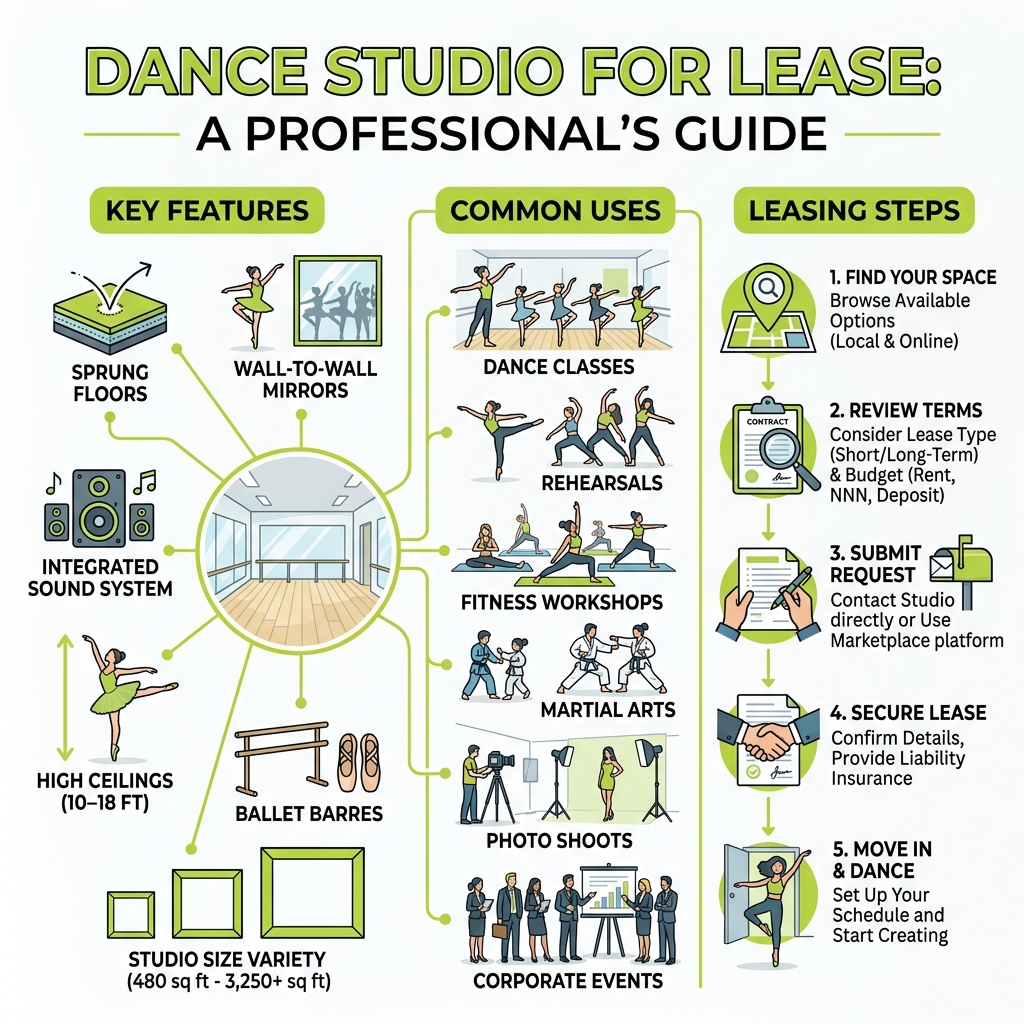
- Size: Studios typically range from 480 sq ft for small practice rooms to 3,250+ sq ft for large performance spaces
- Key features: Sprung floors, wall-to-wall mirrors, integrated sound systems, high ceilings (10–18 ft), and ballet barres
- Lease types: Short-term hourly rentals or long-term monthly leases — both are widely available
- Common uses: Dance classes, rehearsals, fitness workshops, martial arts, photo shoots, and corporate events
- What to budget for: Base rent plus potential NNN costs, security deposits, and liability insurance
- How to book: Contact the studio directly, submit a rental request, or use a marketplace platform to compare options
Whether you need a space for weekly classes or a long-term home for your studio business, there are flexible options across the country — including right here in Alabama.
Finding the right space is about more than just square footage. It’s about getting a professional environment that supports your work, fits your schedule, and doesn’t lock you into terms that hurt your growth.
I’m Chase Carroll — real estate developer, investor, and small business transaction advisor with 12+ years of experience helping entrepreneurs find and secure the right spaces for their ventures. My work with flexible commercial real estate, including spaces well-suited for a dance studio for lease arrangement, gives me a clear view of what works for small business owners who need room to grow without rigid commitments.
Easy dance studio for lease word list:
Essential Features of a dance studio for lease
When we look for a dance studio for lease, we aren’t just looking for four walls and a roof. For a dancer, the floor is the most important piece of equipment they will ever use. A professional studio must prioritize safety, acoustics, and visibility to be truly functional.
The Gold Standard: Sprung Floors and Marley
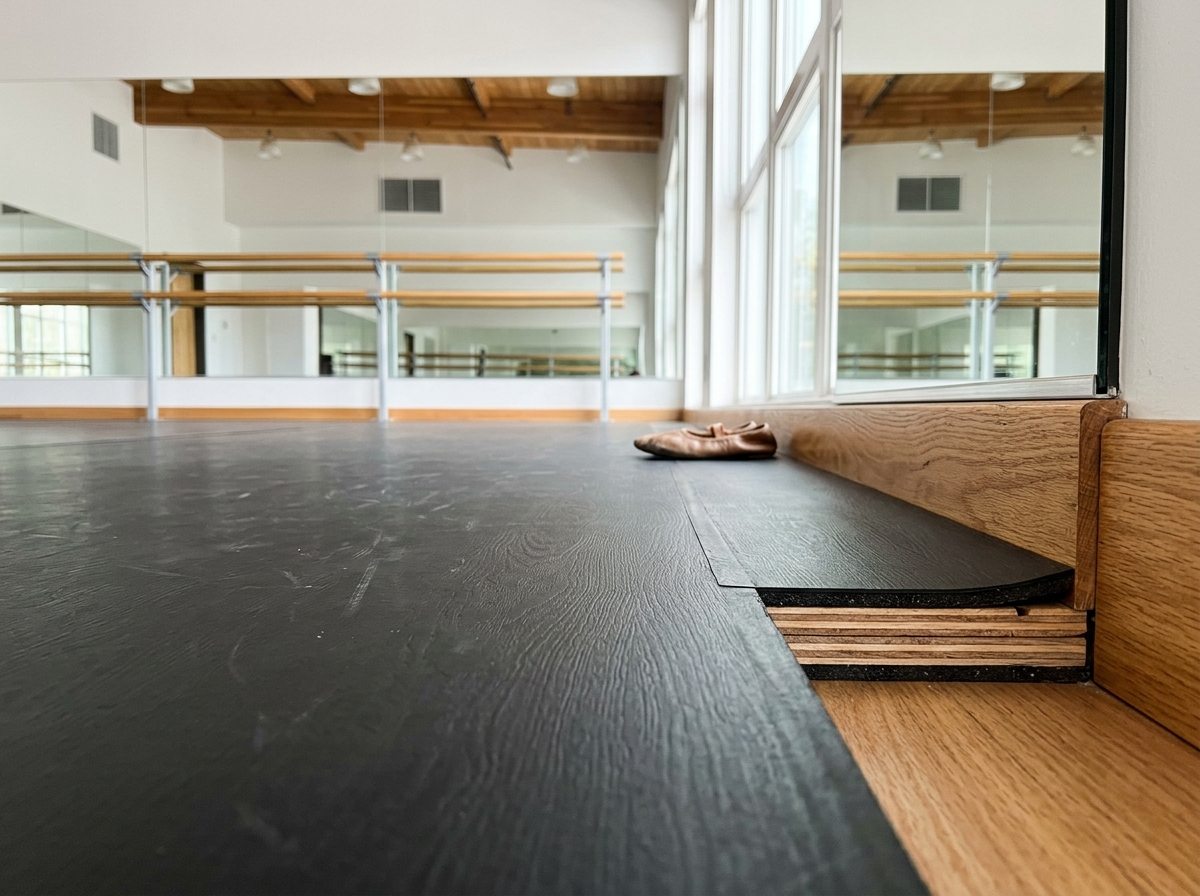
The absolute “must-have” in any professional dance space is a sprung floor. Unlike concrete or standard hardwood laid directly over a subfloor, a sprung floor is designed to absorb shock. This is critical for preventing stress fractures and joint injuries. Many high-end studios use Harlequin sprung floors, which are considered the industry gold standard.
Topping that sprung base is often a Marley covering. Marley is a specialized vinyl surface that provides the perfect amount of “slip and grip.” It’s smooth enough for effortless pirouettes but offers enough friction to keep a dancer from sliding during a grand jeté. If you’re looking at a dance studio for lease, always ask about the floor construction.
Visibility and Volume
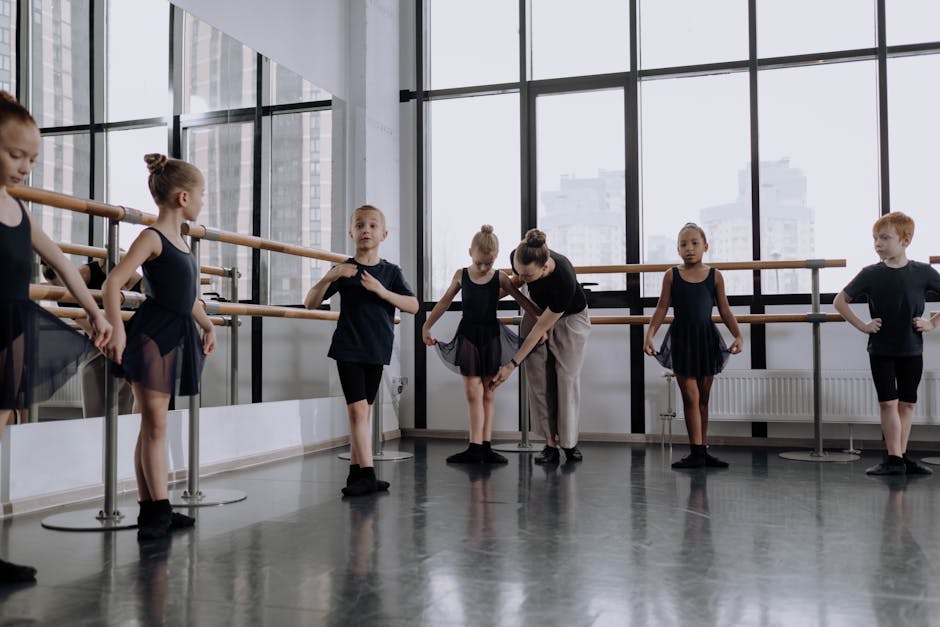
Wall-to-wall mirrors are another non-negotiable feature. Dancers need to see their alignment and form from every angle. Professional studios typically install 12-foot mirrors that span the entire length of the room.
Equally important is the vertical space. High ceilings, often ranging from 10 to 18 feet, are necessary for lifts and jumps. You don’t want your dancers worrying about hitting a low-hanging light fixture mid-air!
Sound and Connectivity
A modern studio needs a state-of-the-art sound system. We look for integrated systems that offer Bluetooth and Aux connectivity so instructors can run rehearsals directly from their phones or tablets. Some premium spaces even include wall-mounted monitors or 50-inch LCD TVs for video conferencing or reviewing choreography.
| Studio Type | Typical Dimensions | Average Square Footage | Ideal Use |
|---|---|---|---|
| Intimate/Private | 15′ x 28′ | 400 – 500 sq ft | Private lessons, small rehearsals |
| Standard Class | 25′ x 32′ | 800 – 1,200 sq ft | Group classes, yoga, workshops |
| Large Ensemble | 45′ x 60′ | 2,500 – 3,250 sq ft | Full company rehearsals, auditions |
| Performance Hub | 50′ x 65′ | 3,250+ sq ft | Master classes, small performances |
Versatile Uses for Professional Studio Spaces
One of the best things about a dance studio for lease is its inherent versatility. Because these spaces are designed to be open and unobstructed, they are perfect for a wide variety of “movement-based” businesses.
Beyond the Barre: Alternative Uses for a dance studio for lease
We often see studio spaces used for much more than just ballet or contemporary dance. The open floor plan makes them ideal for:
- Fitness Workshops: Yoga, Pilates, and HIIT classes thrive in environments with mirrors and shock-absorbent floors.
- Martial Arts: Karate, Taekwondo, and Judo practitioners appreciate the safety of sprung floors.
- Community Gatherings: With the mirrors covered by curtains (a common feature in professional studios), these spaces transform into elegant venues for workshops or meetings.
- Private Lessons: Smaller studios are perfect for music teachers or vocal coaches who need a quiet, professional environment.
If you are a creative professional in Alabama, finding an affordable studio space can be the catalyst that takes your business from a side hustle to a full-time career. Whether you are in Irondale or Huntsville, the demand for flexible movement space is growing.
Maximizing Your dance studio for lease for Productions
For those in the creative arts, a dance studio is a blank canvas for media production.
- Photo Shoots: Many studios offer high ceilings and natural light from large windows, which is a dream for photographers. Some even have deployable photo backdrops built into the ceiling.
- Video Production: The acoustic quality of a professional studio—often treated to reduce echo—makes it a prime location for filming music videos or dance reels.
- Auditions: Large studios can accommodate “holding areas” in the lobby while the main floor is used for the audition itself.
Finding creative studios for hire allows you to scale your production without the overhead of owning a permanent soundstage.
Navigating the Leasing Process and Requirements
Leasing a commercial space can feel daunting, but breaking it down into steps makes it manageable. When we evaluate a dance studio for lease, we look at several logistical factors beyond just the rent.
Square Footage and Layout
Understanding the difference between “danceable area” and total square footage is key. A 1,500 sq ft lease might include a 300 sq ft waiting area and dressing rooms, leaving 1,200 sq ft for the actual studio. Always ask for a floor plan to see how the space is divided.
Compliance and Accessibility
Any space open to the public should be ADA-compliant. This includes accessible restrooms and entrances. We also prioritize locations with ample parking. For example, some professional complexes offer over 100 free parking spots, which is a massive relief for parents dropping off students for class.
The “Fine Print”: Insurance and Policies
Before you sign a lease, be prepared for these common requirements:
- Liability Insurance: Most landlords require proof of a $1,000,000 liability policy. This protects both you and the property owner in case of an accident.
- Security Deposits: Expect to pay a deposit upfront. This may include a key deposit and a portion of the rent.
- Cancellation Policies: If you are doing short-term rentals, policies vary. Some studios offer a full refund with 24 hours’ notice, while others require at least three days’ notice to avoid losing your deposit.
- Facility Rules: Professional studios often have strict rules about footwear (no street shoes on Marley!) and food/drink policies to protect the specialized flooring.
For a deeper dive into what to expect from a commercial lease, check out our creative workspace complete guide.
Why MicroFlex is the Best Alternative for Your Studio Needs
At MicroFlex™ LLC, we understand that modern businesses need more than just a standard office or warehouse. We offer adaptable, multi-function spaces that are perfect for entrepreneurs looking for a dance studio for lease in Alabama.
Why Alabama Business Owners Choose Us
We operate in four key locations across the state:
- Birmingham-Irondale, AL
- Birmingham-Hoover, AL
- Auburn-Opelika, AL
- Huntsville, AL (serving the Madison area)
Our unique selling point is our flexible lease terms. Traditional commercial real estate often locks you into 5-year or 10-year commitments that can be stifling for a growing dance school or fitness startup. We offer configurations that can combine warehouse-style open space (perfect for studios) with office and storage features.
Adaptability is Key
Whether you need a high-ceiling space for a new cheerleading gym in Huntsville or a quiet creative workspace in Birmingham for private yoga sessions, our units are designed to be modified. We provide the shell and the infrastructure, and you bring the vision.
Our spaces are “turnkey-ready” in many ways, offering the professional environment your clients expect without the rigid hurdles of old-school commercial leasing. We are proud to support small business owners in Alabama by providing the room they need to pirouette—literally and figuratively.
Frequently Asked Questions about Leasing Dance Studios
What is the difference between a sprung floor and a standard floor?
A standard floor (like concrete or wood over joists) has very little “give.” When a dancer lands a jump, the impact travels straight back up into their legs. A sprung floor uses a system of high-density foam blocks or flexible wood “sleepers” to create a cushion. This absorbs the energy of the impact, significantly reducing the risk of injury.
Do I need liability insurance to lease a studio space?
Yes. Almost every commercial landlord or studio owner will require you to carry professional liability insurance. This is standard practice in the industry and ensures that you are covered for any injuries that might occur during your classes or rehearsals. Most policies require a minimum of $1,000,000 in coverage.
Can I use a dance studio for non-dance events like photo shoots?
Absolutely! In fact, many studios actively market their spaces to photographers and videographers. The combination of high ceilings, natural light, and mirrors makes them excellent for visual arts. Just be sure to check the facility’s rules regarding equipment—some may require you to use floor protectors or rugs to prevent your tripods and lights from scratching the specialized flooring.
Conclusion
Finding the right dance studio for lease is about finding a home for your creativity. It’s about ensuring your students are safe on professional floors, your instructors have the sound systems they need to inspire, and your business has the room it needs to grow.
By focusing on essential features like sprung floors and high ceilings, and understanding the logistics of insurance and ADA compliance, you can secure a space that elevates your brand. And if you’re looking for a partner who understands the need for flexibility and local support in Alabama, we are here to help.
A professional environment is the first step toward business scalability. When you’re ready to make your move, explore our creative workspace for rent options and find the perfect stage for your next act.