

Why Modern Businesses Are Choosing Short-Term Warehouse Leases
A short term warehouse lease offers businesses rental space for periods typically ranging from one month to twelve months, providing the agility to scale operations without rigid long-term commitments. Traditional five-to-ten-year leases force you to predict the future, but short-term options give you breathing room to grow, pivot, or scale back without financial handcuffs.
Quick Overview of Short-Term Warehouse Leases:
- Duration: 1-12 months, often with month-to-month options.
- Move-in Speed: Operational within 24-48 hours.
- Cost: A 10-30% premium over long-term rates, but with significantly lower deposits.
- Ideal For: Seasonal businesses, e-commerce startups, project-based work, and market testing.
- Included Amenities: Loading docks, material handling equipment, WiFi, and security systems.
- Flexibility: Easily scale up or down with minimal notice (typically 30 days).
The warehouse industry has shifted toward flexibility because businesses value agility over long-term cost savings. When you can move into a fully-equipped space in days, you’re not just renting square footage—you’re buying operational freedom.
I’m Chase Carroll, and with over 12 years in real estate development, including MicroFlex projects, I’ve seen how short term warehouse leases empower businesses. This guide will walk you through everything you need to know about flexible warehouse solutions that adapt to your business.
What is a Short-Term Warehouse Lease?
Imagine renting warehouse space like you’d book a vacation rental—exactly when you need it, for precisely how long you need it. That’s what a short-term warehouse lease offers. It’s a rental agreement for warehouse space, typically from one to twelve months, that frees you from long-term commitments.
This flexibility acts as a safety net for overflow inventory, seasonal demand, or testing a new market. Instead of being stuck with space you don’t need, you get exactly what your business requires right now.
At MicroFlex, our model is built on this flexibility. Whether you’re in Auburn Opelika, Birmingham Irondale, Huntsville, or Birmingham Hoover, we believe your warehouse space should work for you. For a deeper dive, check out our Flexible Leasing Spaces guide.

Typical Durations and Terms
The beauty of short-term warehouse leases is their variety. Terms can range from one to twelve months, with options for nearly every scenario:
- Ultra-short terms (1-3 months) are perfect for immediate needs, like a big contract or storing equipment between projects. You’ll pay a premium for this agility, but it’s often worth it.
- Standard short-term leases (3-6 months) suit seasonal operations, startups, or companies in transition, offering a balance of flexibility and competitive rates.
- Medium-short terms (6-12 months) provide better pricing while still offering an escape hatch for those who can’t commit to multi-year leases.
- Month-to-month options, often available after an initial term, offer the ultimate flexibility. Our Month-to-Month Warehouse Rental Guide explains this in detail.
Most leases require 30 days’ notice for termination, giving you time to plan your next move without feeling trapped.
Commonly Included Amenities
Short-term leases often come move-in ready, so you can start operating immediately. You’re not just renting an empty box; you’re getting a functional workspace with essential amenities typically bundled into your rent:
- Logistics Essentials: Loading docks and roll-up doors for efficient shipping and receiving.
- Equipment Access: Shared material handling equipment like forklifts and pallet jacks, saving you thousands in purchase or rental fees.
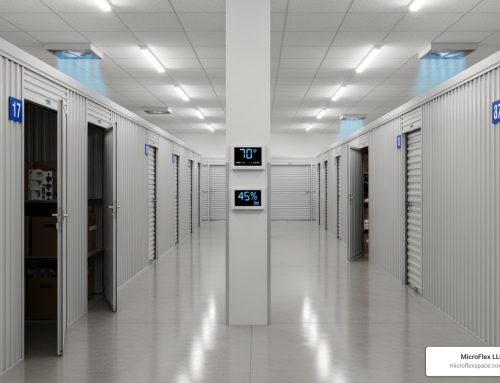
- Connectivity & Security: High-speed Wi-Fi and robust security features, including 24-hour video surveillance and secure access control.
- Bundled Utilities: Electricity, water, and HVAC are often included, simplifying your budget.
What sets MicroFlex apart is our integrated office and conference space. Our units combine warehouse functionality with dedicated office areas, meeting rooms, and shared lounges, allowing you to manage all aspects of your business under one roof. For more specialized needs, explore our Temporary Workshop Space. Plus, our locally managed facilities in Alabama mean you get responsive, personal service from people in your community.
Short-Term vs. Long-Term: A Head-to-Head Comparison
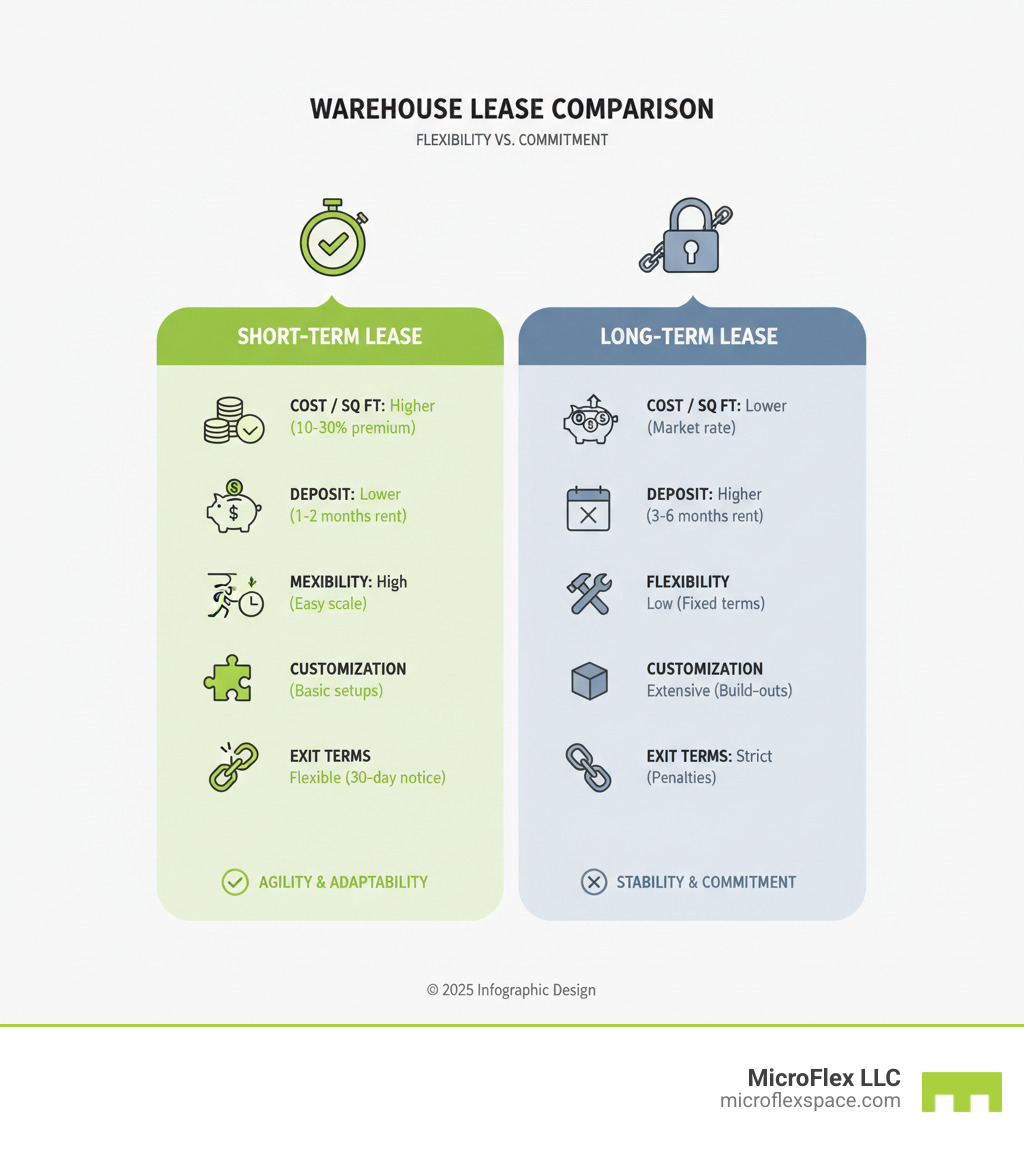
Choosing between a short-term warehouse lease and a long-term agreement is a strategic decision that impacts your finances, agility, and risk. Let’s break down the real differences.
| Feature | Short-Term Warehouse Lease | Long-Term Warehouse Lease |
|---|---|---|
| Duration | 1-12 months (often month-to-month after initial term) | Typically 5-10 years |
| Cost per Sq. Ft. | 10-30% higher (e.g., $6-13/sq ft annually) | Lower (e.g., $5-8/sq ft annually) |
| Upfront Deposit | Modest (typically 1 month’s rent) | Substantial (typically 3-6 months’ rent) |
| Move-in Speed | Rapid (operational within days, often 24-48 hours) | Slower (weeks to months for build-out/paperwork) |
| Flexibility | High (easy to scale up/down, low commitment) | Low (rigid terms, difficult to exit early) |
| Customization | Limited (non-structural, temporary changes with approval) | Extensive (structural modifications, tenant improvements) |
| Exit Options | Easy (typically 30-day notice) | Difficult (early termination penalties) |
Long-term leases offer stability and lower per-square-foot costs but demand significant upfront capital and lock you in. A short-term warehouse lease prioritizes your ability to adapt, which is invaluable in unpredictable markets. Our Commercial Leasing Space Complete Guide covers all your options.
Cost, Flexibility, and Customization
While a short-term warehouse lease may cost 10-30% more per square foot, that premium buys you freedom. Upfront costs are dramatically lower—typically one month’s rent as a deposit, versus 3-6 months for a long-term lease. This frees up capital for your business.
Furthermore, many short-term spaces bundle utilities and maintenance, making the total cost more comparable. The ability to move in within 24-48 hours is another hidden value, eliminating costly downtime and letting you seize opportunities fast.
Customization is more temporary. You won’t get large tenant improvement allowances, but you can use modular shelving and temporary partitions. For longer terms (6-12 months), you might negotiate installing racking or upgrading lighting, provided you return the space to its original condition. This approach avoids heavy investment in a property you don’t own. For smaller, adaptable options, see our Small Warehouse Leasing Guide.
Who Benefits Most from Flexible Terms?
A short-term warehouse lease is ideal for businesses that thrive on adaptability. We’ve seen companies across Alabama, from Auburn Opelika to Huntsville, transform their operations with this flexibility.
- Seasonal Businesses: Match your space costs to your revenue cycles, like a holiday retailer needing extra space for only a few months.
- E-commerce Startups: Get operational with low upfront costs and scale your space as your inventory needs change, without the risk of a long-term commitment.
- Project-Based Operations: Construction firms or event planners can rent space for the exact duration of a project and avoid paying for it afterward.
- Market Testers: Expand into a new city like Birmingham Hoover with a temporary distribution point to gauge demand before making a heavy investment.
- Transitional Needs: Use a short-term space during a relocation, renovation, or disaster recovery to ensure business continuity.
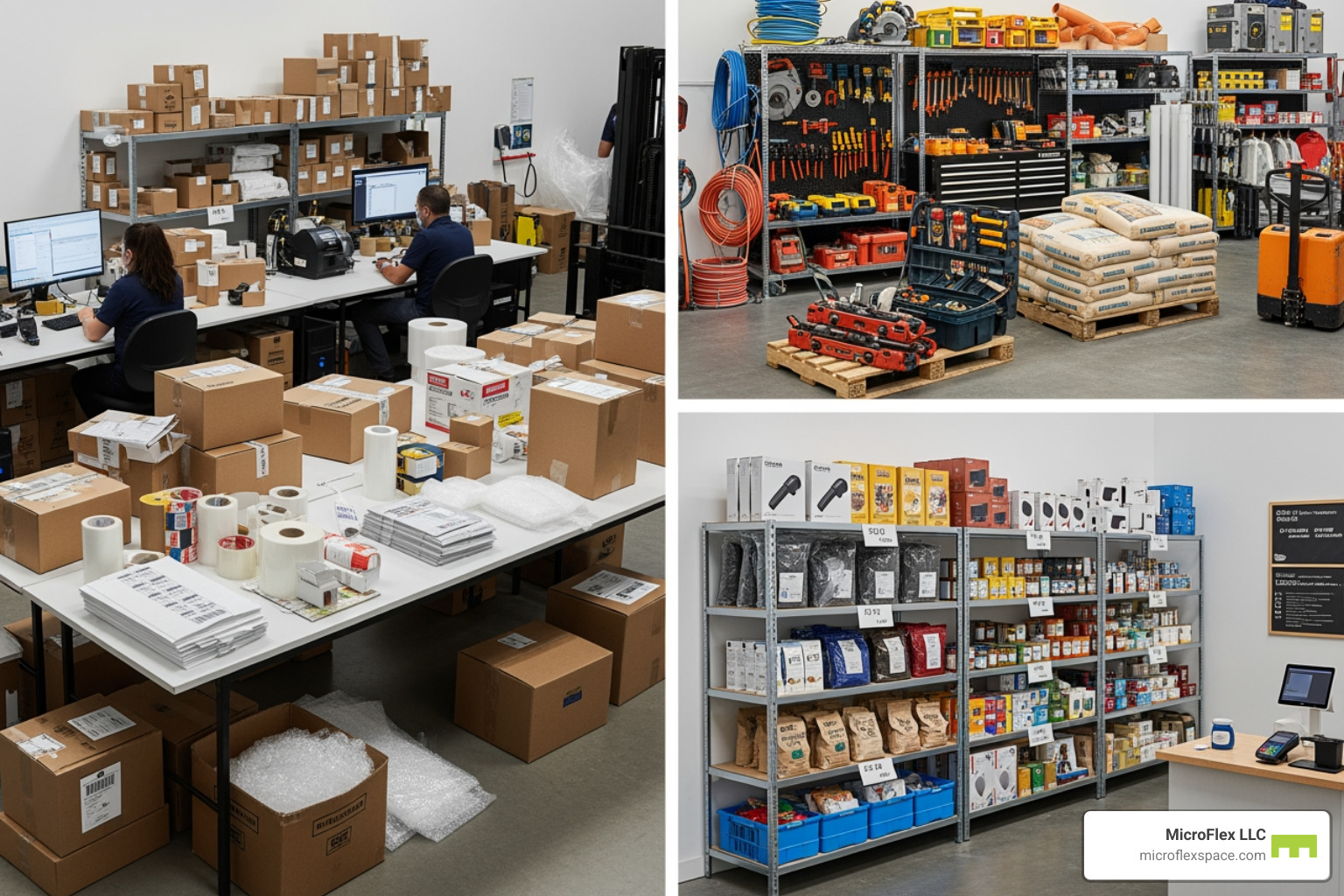
If your business needs fluctuate or you’re not ready for a five-year commitment, a short-term lease provides the breathing room to succeed. For handling inventory changes, check out our Excess Inventory Solutions guide.
Why MicroFlex Spaces are the Best Choice for Flexible Warehousing
Traditional commercial real estate is often built for yesterday’s business models. At MicroFlex, we create adaptable, multi-function spaces across Alabama that genuinely work the way you do. Our locations in Auburn Opelika, Birmingham Irondale, Huntsville, and Birmingham Hoover combine warehouse, office, and storage features into flexible units that adapt to your needs.
When you seek a short term warehouse lease, you’re really looking for operational freedom. Our flexible terms mean you can start small, grow fast, or pivot quickly—without the financial handcuffs of a long-term lease. You’re free to focus on your business, not on unused square footage.

Our spaces are ideal for a range of businesses, from e-commerce startups to established contractors needing secure equipment storage alongside a professional office. See how we support contractors in our Microflex Space for Contractors Ultimate Guide, or take a Virtual Tour of MicroFlex Space to see the multi-functionality for yourself. For location details, check out our Birmingham Irondale Microflex facility.
How MicroFlex Stands Out
Here’s what makes MicroFlex different from the faceless corporations in commercial real estate:
- Locally Managed: Every Alabama location has dedicated, on-site management. You’re working with people in your community who care about your success.
- Transparent Pricing: No hidden fees. Many units have all-inclusive rates covering utilities, so you can budget with confidence.
- Truly Move-in Ready: Our units are equipped with essential infrastructure, allowing you to tour a space in the morning and move in that afternoon.
- Genuinely Flexible Terms: Whether you need a three-month lease or a month-to-month arrangement, we build agreements around your business reality.
- Small Business Focused: We are passionate about empowering local entrepreneurs by providing the right space at the right time.
- Empowering Your Growth: We succeed when you succeed. By removing real estate obstacles, we free you to invest your capital and energy where it matters most.
Your Guide to Securing a Short-Term Warehouse Lease
Finding the right short-term warehouse lease requires strategic planning and due diligence. The good news is that the process can be remarkably straightforward. This guide will help you make an informed decision. For more insights, our guide on Industrial Warehouses for Rent Near Me is a great starting point.
Key Factors Influencing Location and Price
Location is everything. The right spot makes operations smooth and cost-effective, while the wrong one can be a logistical nightmare.
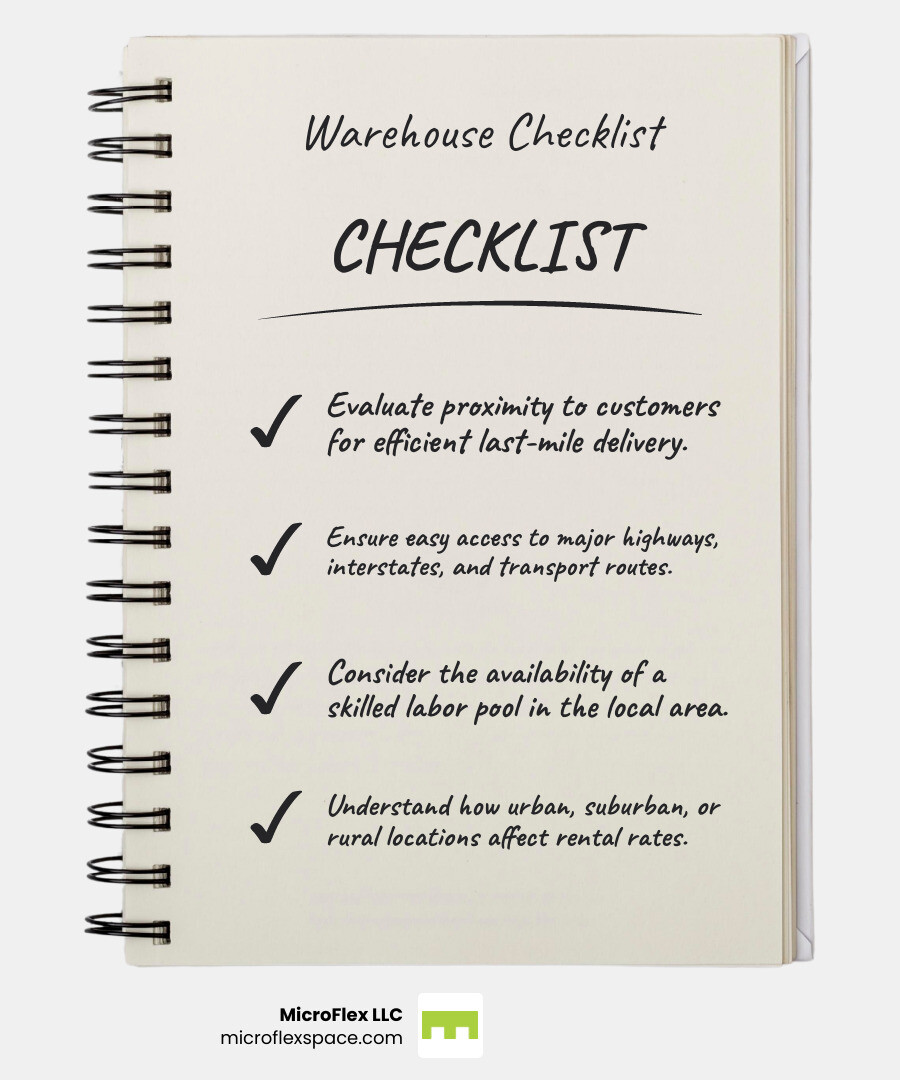
- Proximity and Access: Being close to your customers and major highways (like I-65 or I-59 in Alabama) reduces transportation costs and improves delivery times. Ensure trucks can easily access the facility and its loading docks.
- Labor Pool: The availability of skilled workers in the area will impact your ability to staff your operation efficiently.
- Location and Rates: Urban centers like downtown Birmingham command premium rates ($8-12/sq ft annually). Suburban areas like Irondale or Hoover offer a balance ($6-10/sq ft), while rural locations are often the most affordable ($4-8/sq ft) but may increase travel times.
- Market Conditions: Local supply and demand will influence pricing. A tight market means higher rents.
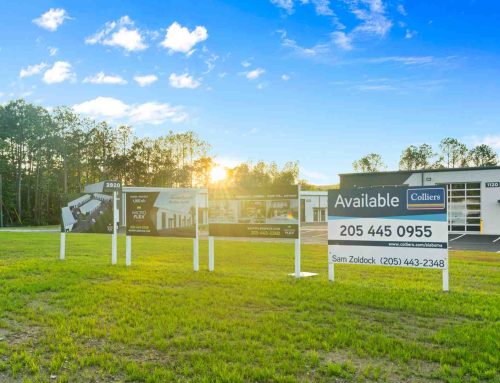
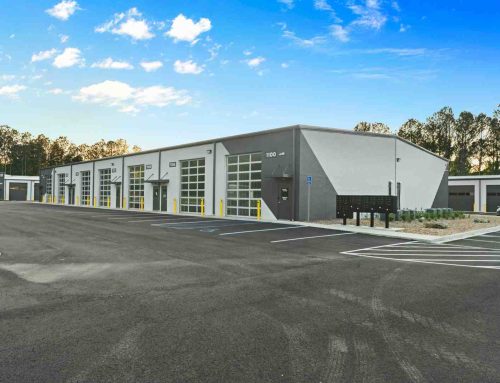
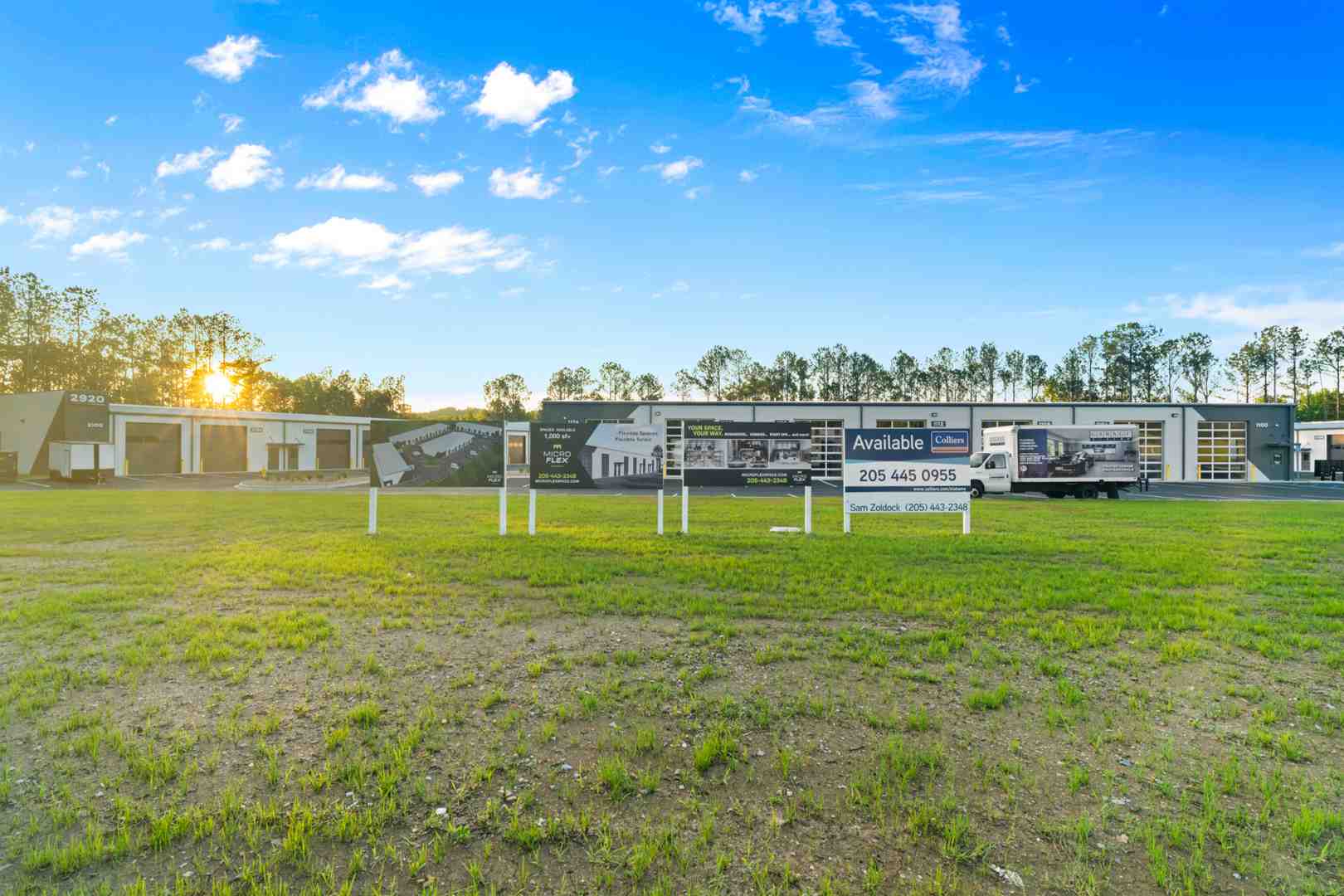
For an example of a well-positioned industrial area, consider 2920 Wyndham Industrial Dr, Opelika, AL 36804, which offers excellent accessibility.
Budgeting for Your Short-Term Warehouse Lease
Focus on the total occupancy cost, not just the base rent. Smart budgeting means looking at the complete financial picture.
- Base Rent: This typically ranges from $6-13 per square foot annually for short-term options.
- Additional Costs: Ask about Common Area Maintenance (CAM) charges and utilities. Many flexible providers like MicroFlex bundle these into an all-inclusive rate, simplifying your budget.
- Upfront Costs: Expect a security deposit of one month’s rent—far more manageable than the 3-6 months required for long-term leases. Ask about any one-time setup fees.
- The Short-Term Premium: The 10-30% premium you pay for a short-term lease buys you lower upfront capital, included services, and invaluable flexibility.
Always ask for an itemized breakdown of costs. While sources like CBRE offer market data, direct conversations with providers yield the most accurate pricing. For local context, see How Much Is a Storage Unit in Birmingham.
Understanding Risks, Insurance, and Exit Clauses
Protect your business by understanding the fine print before you sign.
- Exit Clauses: Most short-term leases require just 30 days’ notice to terminate, a massive advantage over the costly penalties of long-term leases. Confirm this period is in your contract.
- Renewal Options: Discuss what happens after your initial term. Many leases convert to a month-to-month arrangement, preserving your flexibility.
- Insurance Requirements: You will need general liability insurance (typically $1-2 million) and property insurance to cover your inventory and equipment. The landlord’s policy covers the building, not your assets. Have your insurance provider review the lease to ensure you’re covered.
- Contract Review: Always read the entire agreement. If possible, have a legal professional review it to clarify all terms and responsibilities. Our article on Short-Term Business Lease provides more context.
Frequently Asked Questions
Here are quick answers to the most common questions we hear from businesses considering a short-term warehouse lease.
How quickly can I move into a short-term leased warehouse?
Very quickly. While traditional leases take weeks or months, you can often be operational in a short-term space within 24-48 hours. Providers like MicroFlex offer “move-in ready” units, allowing you to sign the paperwork and start working almost immediately. This speed is crucial for reducing downtime and responding to urgent needs.
Can short-term warehouse spaces be customized?
Yes, within limits. For very short terms (1-3 months), customization is usually temporary (e.g., portable shelving). For longer terms (6-12 months), you may be able to install racking or adjust lighting with landlord approval. It’s critical to get any modifications and removal responsibilities in writing. At MicroFlex, our diverse unit configurations allow for significant internal customization to fit your workflow.
How do short-term leases facilitate scaling operations up or down?
Short-term warehouse leases are designed for scalability. They allow you to align your real estate costs directly with your business activity.
- Scaling Up: Quickly lease additional space during peak seasons or growth periods without a long-term commitment.
- Scaling Down: Reduce your footprint with just 30 days’ notice during slower periods or after a project ends, avoiding the cost of paying for unused space.
This on-demand flexibility is a powerful tool for managing cash flow and staying agile. For more on this, see our Business Expansion Space solutions.
Conclusion
In today’s business world, rigidity is the enemy of growth. The businesses that succeed are those that can pivot, scale, and adapt. A short-term warehouse lease is the tool that makes this agility possible.
These flexible agreements offer rapid move-in times, lower upfront costs, and the freedom to scale your operations with as little as 30 days’ notice. You’re not just renting space; you’re purchasing operational freedom and a powerful competitive advantage.
At MicroFlex, we’ve built our business around this philosophy. Our adaptable spaces across Auburn Opelika, Birmingham Irondale, Huntsville, and Birmingham Hoover combine warehouse, office, and storage functions into one flexible package. With local management, transparent pricing, and move-in ready units, we empower small businesses to thrive without being weighed down by restrictive real estate.
By choosing flexibility, you free up capital, reduce risk, and position your business to seize opportunities. Your business deserves space that adapts to your vision, not constrains it.
Ready to experience the freedom of truly flexible warehouse space? Find your ideal warehouse office space for rent today and find how MicroFlex can power your next phase of growth.