Why Leasing a Studio Space Is One of the Smartest Moves for Your Creative Business
If you’re ready to lease a studio space, here’s a quick overview of what you need to know:
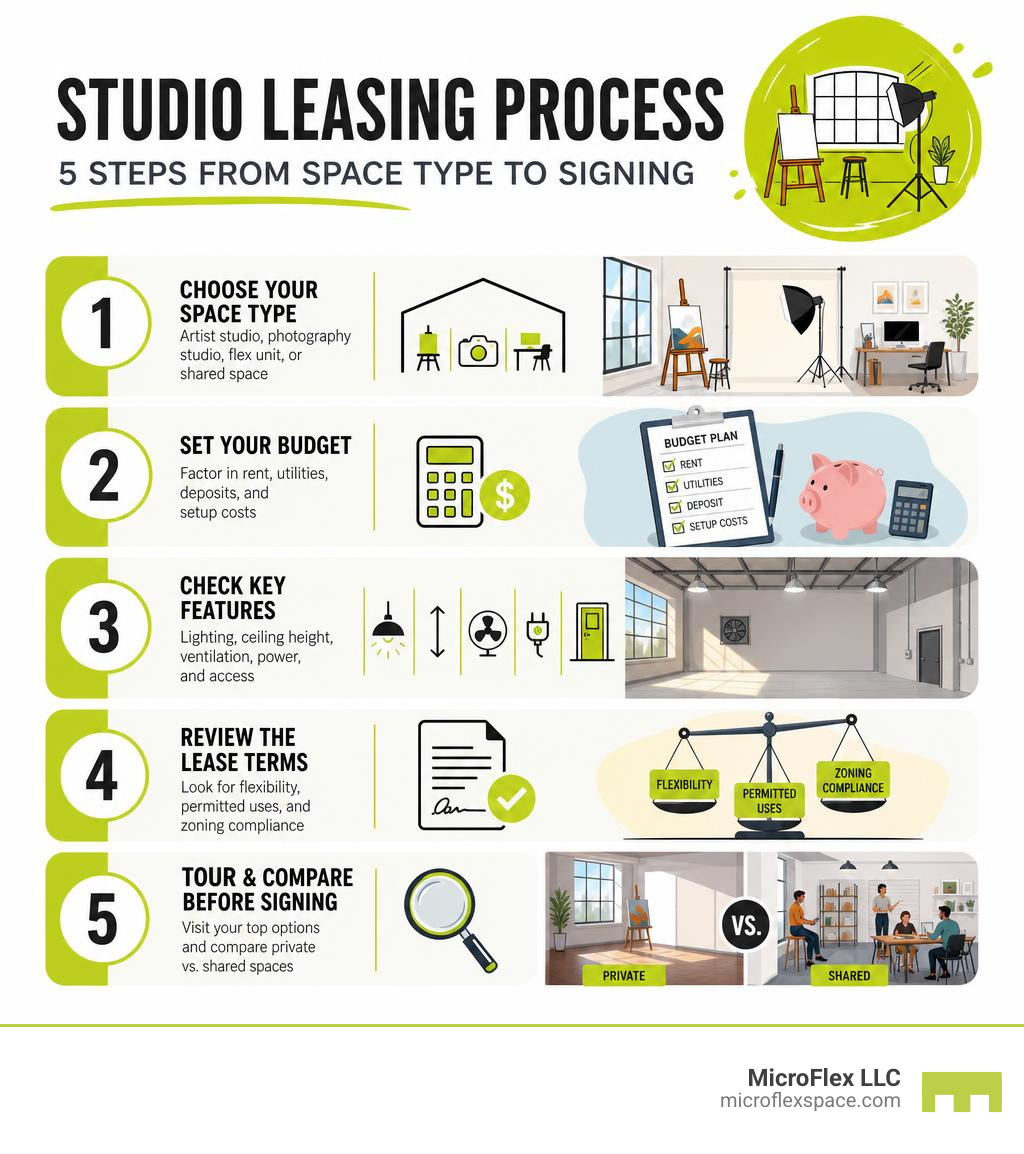
Quick Answer: How to Lease a Studio Space
- Decide on your space type — artist studio, photography studio, flex/commercial unit, or shared co-working space
- Set your budget — factor in rent, utilities, deposits, and setup costs
- Check the key features — lighting, ceiling height, ventilation, power, and access
- Review the lease terms — look for flexibility, permitted uses, and zoning compliance
- Tour your top options — compare private vs. shared spaces before signing
Finding the right creative workspace is harder than it looks. You need enough room to work, the right amenities, and a lease that doesn’t lock you into terms your business can’t support.
Many creatives start in a spare room or garage. But at some point, those makeshift setups stop working. The space is too small. The lighting is wrong. There’s no room to grow.
That’s when a dedicated studio rental becomes not just helpful — it’s essential.
The challenge? Traditional commercial leases can be rigid, expensive, and loaded with hidden costs. Artists, photographers, makers, and small business owners often struggle to find spaces that match both their creative needs and their budget.
I’m Chase Carroll — real estate developer, investor, and small business advisor with over 12 years of experience helping entrepreneurs find the right commercial spaces, including flex studio solutions across Alabama. In my work developing MicroFlex spaces, I’ve seen how the wrong studio lease can hold a business back — and how the right one can unlock real growth.
Related content about lease a studio space:
Types of Creative and Commercial Studio Spaces Available

When you begin your search to lease a studio space, you will quickly realize that “studio” means different things to different people. A portrait photographer has vastly different physical requirements than a ceramicist, and a digital graphic designer needs a completely different setup than a modern dance troupe.
To help you narrow down your search, let’s break down the primary types of commercial real estate configurations available for creative and business use. Finding a creative workspace for rent starts with matching your daily workflow to the right physical layout.
Artist and Maker Craft Studios
For those involved in fine arts, woodworking, ceramics, or textile design, a maker studio is the ultimate sanctuary. These environments are built to handle the physical, tactile, and sometimes messy realities of creative production.
If you are currently working out of your home, you already know the limitations. It is incredibly difficult to focus when your living room doubles as a packing station, or when you are constantly worried about getting paint on the carpet. Transitioning to a dedicated maker space allows you to stop painting in your kitchen and lease an art studio instead.
These spaces require durable, easy-to-clean flooring (such as sealed concrete), heavy-duty power outlets, and immediate access to water. In creative hubs, you might find structured communities like the Studio Application – Lowe Mill ARTS & Entertainment in Huntsville, which cater specifically to visual artists. If your work involves specialized tools, kiln firing, or dust-producing machinery, exploring a dedicated use cases: maker craft studio layout will give you the industrial infrastructure you need without compromising on safety.
Photography and Film Production Studios
For portrait photographers, videographers, and commercial film crews, a studio is more than just a place to work—it is a controlled environment. Unlike fine artists who may crave constant natural light, production professionals need absolute control over their environment. This means having the ability to completely block out external light or manipulate it using customizable backdrops and complex lighting setups.
A professional production studio requires:
- High ceilings to accommodate tall light stands, overhead rigs, and softboxes.
- Wide-open floor plans without structural columns blocking your camera angles.
- Ample electrical capacity to run continuous hot lights, strobes, and heavy-duty grip equipment simultaneously without tripping breakers.
- Large load-in doors so you can easily bring in heavy backdrops, props, and gear.
If you are looking to scale your photography business, moving out of a cramped home setup and into a dedicated commercial space is a game-changer. Utilizing a specialized Microflex space for film and photography studios ensures you have the drive-in access, professional aesthetic, and electrical infrastructure required to impress high-paying commercial clients.
The Advantages of Private Studio Spaces
As you look to lease a studio space, you will face a major choice: do you rent a private studio, or do you join a shared, co-op style creative workspace?
Shared studios and co-ops can offer a sense of community and collaborative environments. They are great for networking, sharing tools, and bouncing ideas off fellow creatives. However, they also come with distinct challenges. Sharing a wall—or a room—with other artists means dealing with their noise, their schedules, and sometimes their mess. If you are trying to run a professional business, hosting a client consultation or a private portrait session in a noisy, shared environment can hurt your professional credibility.
Opting for a private studio space gives you complete control over your environment. You get:
- Total Privacy: No distractions, no unwanted opinions, and no need to clean up your workspace at the end of every day just because someone else needs the table.
- Security: Your expensive cameras, computers, canvases, and tools are locked safely behind your own door.
- Professionalism: A quiet, branded space where you can host clients, conduct meetings, and run your business with confidence.
If you are ready to take your business to the next level, starting the artist’s quest: discovering creative studios for hire in your area will help you identify private commercial spaces that offer the perfect balance of quiet focus and professional presentation.
Key Features to Look For When You Lease a Studio Space
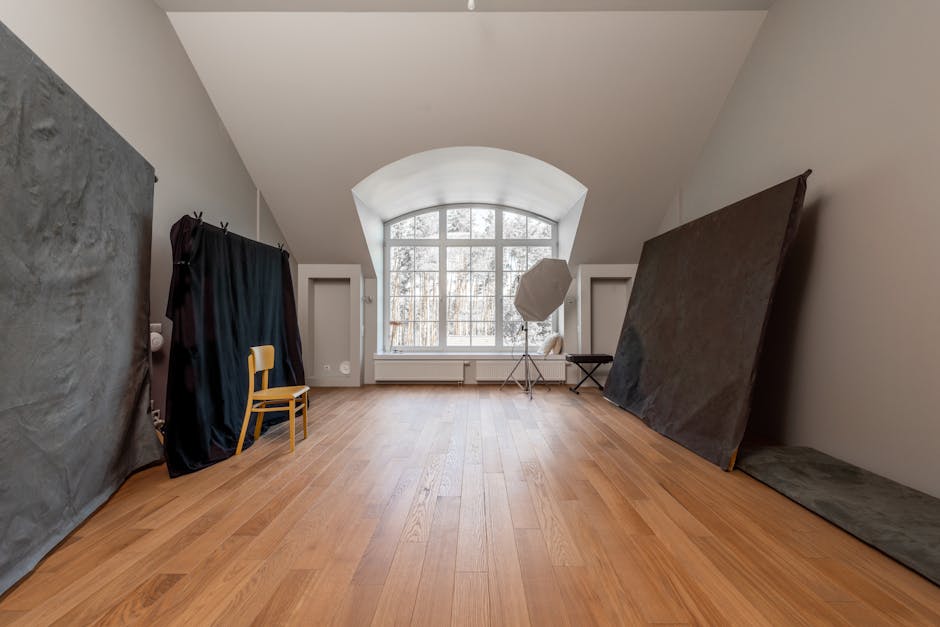
Not all commercial spaces are created equal. An office suite that works perfectly for an accountant will likely be a disaster for a portrait photographer or a craft maker. When evaluating a commercial studio space for rent, you must look past the cosmetic finishes and evaluate the physical requirements of the building.
Lighting and Ventilation Requirements
Lighting is the lifeblood of any creative practice. If you are a painter or illustrator, abundant natural light—ideally north-facing to avoid harsh, shifting shadows—is incredibly important. If you work in digital media or photography, you may actually prefer a “black box” environment where you can completely control the ambient light with blackout shades and professional studio strobes.
Equally important is proper air circulation. Many creative processes involve materials that release fumes, dust, or heat. Whether you are working with oil paints, solvents, aerosol sprays, clay dust, or heat-press machines, you must ensure the studio meets modern safety standards. Look for spaces that offer:
- Operable windows or dedicated exhaust systems.
- High-efficiency HVAC units that keep air moving.
- The ability to customize your ventilation setup if your specific medium requires direct extraction.
Spatial Features: Ceilings, Power, and Access
The physical geometry of your studio will dictate what you can and cannot create. If you are working on large-scale canvases, building furniture, or shooting portraits with wide-angle lenses, a cramped room with eight-foot ceilings will quickly make you feel claustrophobic.
Keep these spatial features at the top of your checklist:
- Ceiling Height: Look for ceilings of 14 to 16 feet. This extra vertical space allows you to store materials overhead, set up tall lighting grids, and work on large-scale projects without feeling restricted.
- Electrical Capacity: Standard residential outlets often cannot handle the load of commercial kiln systems, heavy-duty power tools, or high-wattage photography lights. Ensure the space has robust electrical panels with accessible outlets distributed throughout the room.
- Drive-In Loading Doors: If you have to carry heavy gear, large wood panels, or product inventory up three flights of stairs, you will regret your lease choice within a week. Ground-level spaces with roll-up drive-in doors make loading and unloading incredibly easy.
- 24/7 Access: Creative inspiration doesn’t keep 9-to-5 office hours. You need a facility that allows you to work safely late at night or early in the morning, complete with secure keyless entry and well-lit parking.
Why MicroFlex is the Best Alternative for Your Studio Lease
If you are searching for a place to lease a studio space in Alabama, you have likely run into a frustrating roadblock. Traditional commercial real estate listings are often split into two extremes: giant, expensive industrial warehouses that are far too large for your needs, or cramped office suites where you aren’t allowed to make noise, bring in gear, or get your hands dirty.
This is exactly why we created MicroFlex LLC.
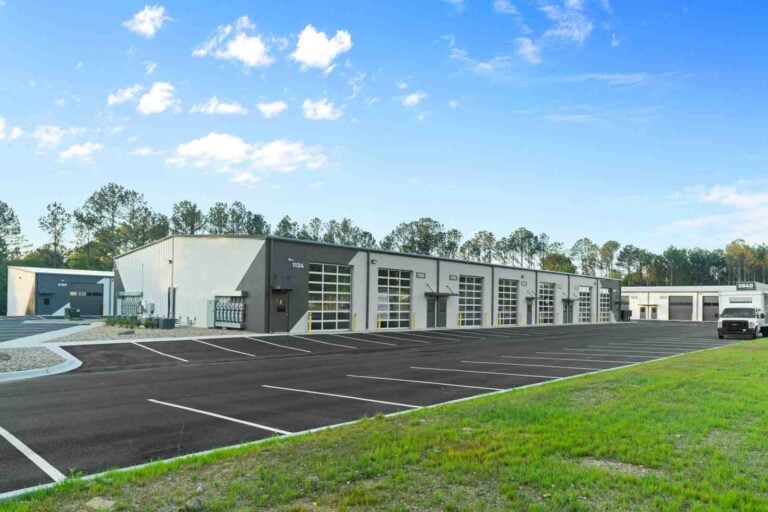
We bridge the gap by offering highly adaptable, multi-function spaces designed specifically for modern small businesses, makers, and creative professionals. Instead of forcing your unique business into a rigid, traditional box, our spaces combine the best features of:
- Warehouse Utility: Sturdy concrete floors, high ceilings, and wide-open layouts.
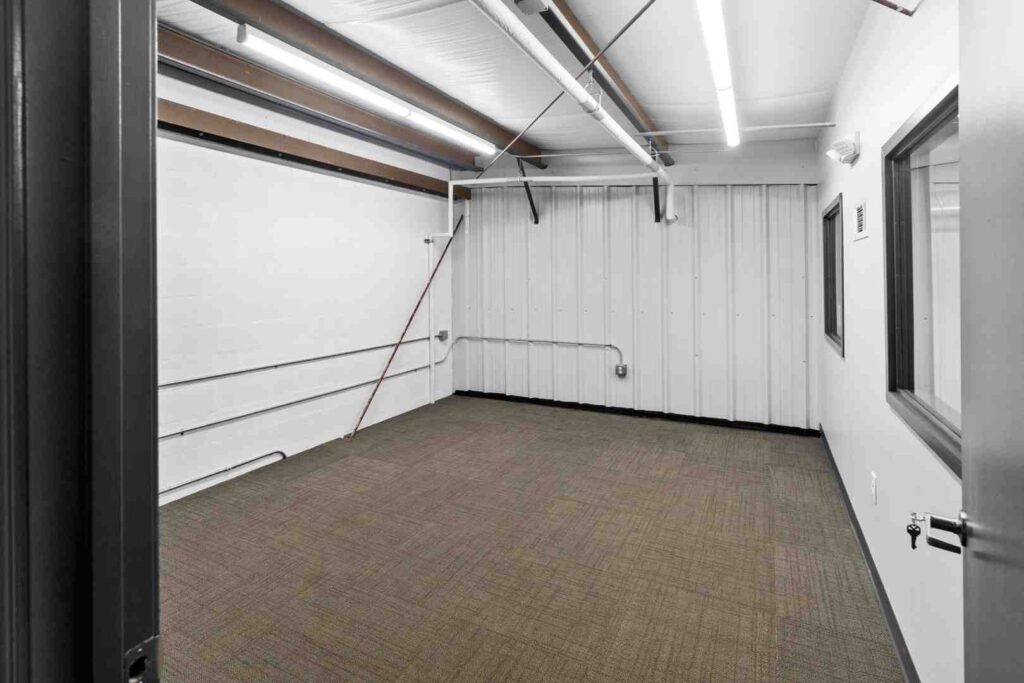
- Professional Office Space: Clean, bright, and climate-controlled environments where you can comfortably sit at a desk, edit files, or meet with clients.
- Secure Storage: Plenty of room to keep your inventory, raw materials, and high-end gear safe.
- Showroom Appeal: A polished, modern aesthetic that looks professional when clients walk through the door.
What truly sets MicroFlex apart is our commitment to flexible lease terms and diverse configurations. We understand that small businesses grow, shift, and evolve. A traditional commercial lease that locks you in for five years can be a massive financial risk. With MicroFlex, you get the flexibility to choose a lease structure that aligns with your business goals, allowing you to scale up as your creative venture thrives.
Our multi-function spaces are perfect for a wide variety of industries, but they are particularly well-suited for portrait photographers. Imagine having a private, climate-controlled studio where you can set up permanent backdrops, park your gear, host client consultations in a comfortable office zone, and roll up the drive-in door to easily load props for outdoor shoots.
We currently operate premier flex space locations across Alabama’s most dynamic markets:
- Birmingham-Irondale, AL
- Birmingham-Hoover, AL
- Auburn Opelika, AL
- Huntsville, AL (conveniently serving the Madison, AL area)
If you are ready to see how a flexible, professionally managed space can transform your daily operations, we invite you to explore Why Microflex and discover our premium creative workspace for rent options.
Legal, Zoning, and Practical Considerations for Studio Leases
Before you sign any lease agreement, it is crucial to understand the legal and operational rules that govern commercial properties. Falling in love with a space only to find out that your business operations violate local zoning laws is a costly and stressful mistake. To avoid this, it is highly recommended to review the ultimate guide to finding and transforming commercial space for your recording studio or creative practice.
Understanding Commercial Zoning and Landlord Permissions
Every municipality has strict zoning laws that dictate what activities can take place in specific buildings. A property zoned strictly for professional office use may not allow retail sales, light manufacturing, or high-volume client foot traffic.
When searching through local listings—such as Birmingham, AL Retail Spaces for Lease | LoopNet or Opelika, AL Office Spaces for Lease | LoopNet —always verify the permitted uses of the property.
- Can you host clients on-site?
- Are you allowed to use noisy machinery or solvents?
- Is there adequate customer parking?
- Does the building layout comply with local fire codes for your specific type of work?
Always get explicit, written permission from the landlord detailing your intended business operations before signing the lease.
Steps to Safely Lease a Studio Space for Your Business
Once you have verified the zoning, pay close attention to the financial and practical details of the lease contract:
- Security Deposits: Standard commercial leases often require a security deposit equivalent to one or more months of rent. Make sure you understand the conditions for getting this deposit back.
- Lease Length: Avoid locking yourself into long-term commitments if your business model is still evolving. Look for shorter, flexible terms that protect your cash flow.
- Liability Insurance: Almost all commercial landlords require tenants to carry general liability insurance. This protects both you and the property owner in case of accidents, injuries, or property damage within your unit.
- Maintenance and Common Area Fees: Clarify who is responsible for HVAC repairs, roof maintenance, trash removal, and property taxes. In a standard Triple Net (NNN) lease, these costs are passed directly to the tenant, which can lead to unwelcome financial surprises.
How to Find and Secure an Affordable Studio Space
Finding an affordable studio space requires a balance between space efficiency, location, and lease structure.
To help you visualize the difference between traditional commercial real estate and a modern flexible studio setup, consider this comparison:
| Feature | Traditional Commercial Lease | Flexible Studio Space (MicroFlex) |
|---|---|---|
| Lease Commitment | Often 3 to 5 years | Flexible, customizable terms |
| Space Configurations | Rigid, single-purpose layouts | Multi-function (Office + Warehouse + Storage) |
| Loading Access | Often limited to standard doors | Drive-in roll-up doors |
| Setup Hassle | High (frequently requires major build-out) | Low (move-in ready with modern finishes) |
| Client Presentation | Varies (often industrial or strictly corporate) | High-end, professional, and clean |
The Benefits of Flexible Commercial Flex Spaces
The biggest advantage of a flexible commercial flex space is scalability. As a small business owner, your space needs today might be very different from your needs twelve months from now.
By choosing a facility designed for business growth, you can start with a modest, highly efficient layout and easily transition into a larger configuration as your client list expands. This flexibility prevents you from paying for empty, wasted square footage during your early stages of growth, while ensuring you never have to halt your business operations to move to an entirely new building when you are ready to scale.
How Creative Needs Influence Your Decision to Lease a Studio Space
Your specific medium should dictate the physical layout you choose. A digital illustrator or video editor can thrive in a smaller, highly focused office environment. However, if your business involves physical movement, large-scale projects, or client interaction, your spatial needs will be much larger.
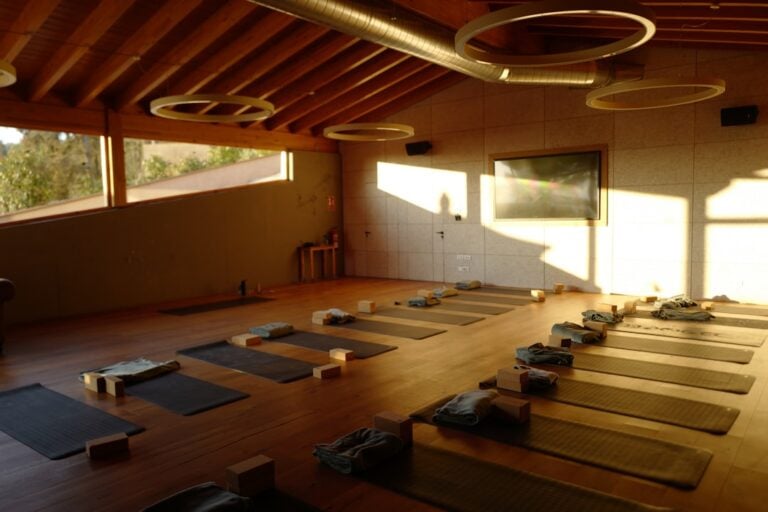
For instance, if your business involves physical instruction or performance, you must prioritize sprung flooring, mirrors, and open floor plans, as outlined in our guide: from pirouettes to pop: your guide to dance studio room rental.
For a portrait photographer, the workflow requires a distinct division of space:
- A clean, quiet shoot zone with high ceilings for backdrops.
- A separate viewing area where clients can sit comfortably on a sofa to review their proofs.
- A secure storage area for cameras, lenses, and lighting gear.
Matching your physical layout directly to these daily operational steps is the secret to maximizing your studio’s efficiency.
Frequently Asked Questions About Studio Space Leases
What is the difference between a short-term and long-term studio lease?
A traditional long-term commercial lease typically requires a multi-year commitment, often locking you in for three to five years. While this offers long-term stability, it represents a major financial commitment and limits your ability to adapt to market changes.
In contrast, short-term or flexible leases offer rolling contracts or shorter terms, giving you the freedom to scale, pivot, or relocate your business as your needs evolve without facing steep lease-break penalties.
Can I use a commercial studio space for both storage and production?
Yes! In fact, utilizing a multi-function space is one of the most efficient ways to run a modern business.
By combining your production zone, office desk, and inventory storage under one roof, you eliminate the need to pay for multiple separate units. This keeps your business organized, simplifies your logistics, and significantly reduces your monthly overhead.
How do I find flexible studio spaces in Alabama?
You can start your search by exploring local commercial listings through platforms like Birmingham, AL Office Spaces for Lease | LoopNet or city directories like Office Space – Available Properties .
However, if you want to skip the complexity of traditional commercial real estate and secure a modern, fully equipped flex space designed specifically for small businesses, the easiest route is to partner with a specialized provider like MicroFlex LLC.
Conclusion
Leasing a studio space is a major milestone for any creative professional or small business owner. It represents the transition from a passionate hobby to a structured, professional business. By choosing a space that offers the right physical features, proper zoning, and the flexibility to grow, you set your business up for long-term success.
At MicroFlex LLC, we are proud to support Alabama’s vibrant community of entrepreneurs, makers, and portrait photographers. Our modern, multi-function spaces are designed to handle the real-world demands of your business, combining clean office features with the rugged utility of a warehouse.
With prime, easily accessible locations in Birmingham-Irondale, Birmingham-Hoover, Auburn, and Huntsville (Madison, AL), your perfect workspace is closer than you think.
Ready to take your business to the next level? Book a Tour with us today, explore Why Microflex is the premier choice for local business owners, and find your ideal creative workspace for rent. Let’s build something great together!